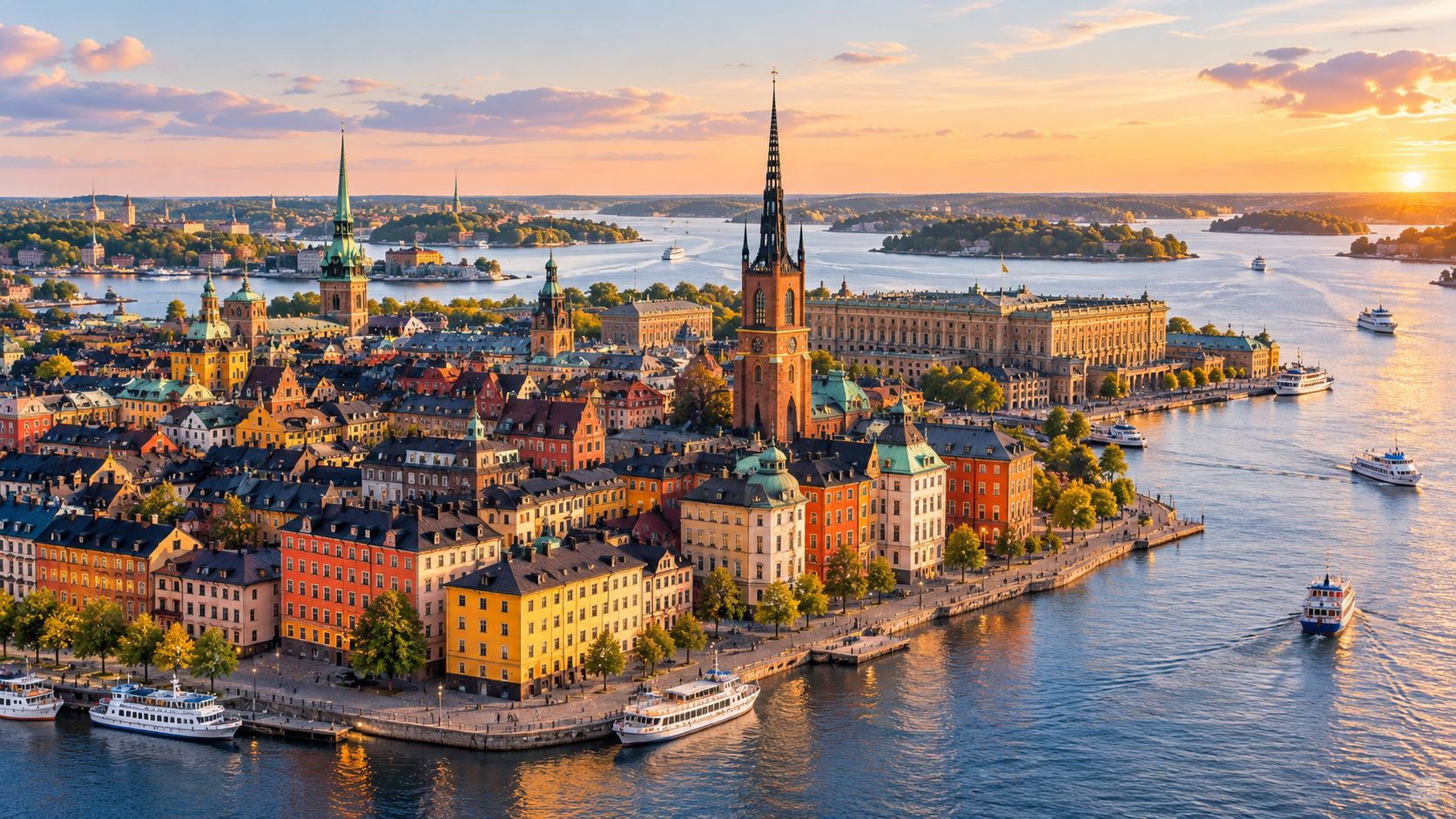
Stockholm's tourism market reached 15.97 million guest nights in 2025, a new high that was 4% above 2024 (destination Stockholm). That scale changes how a trip should be planned. This isn't a city where you can drift between the obvious highlights and expect the day to hold together on its own, especially when the attractions are spread across 14 islands and the best ferries, museum slots, and evening tables all reward people who think ahead.
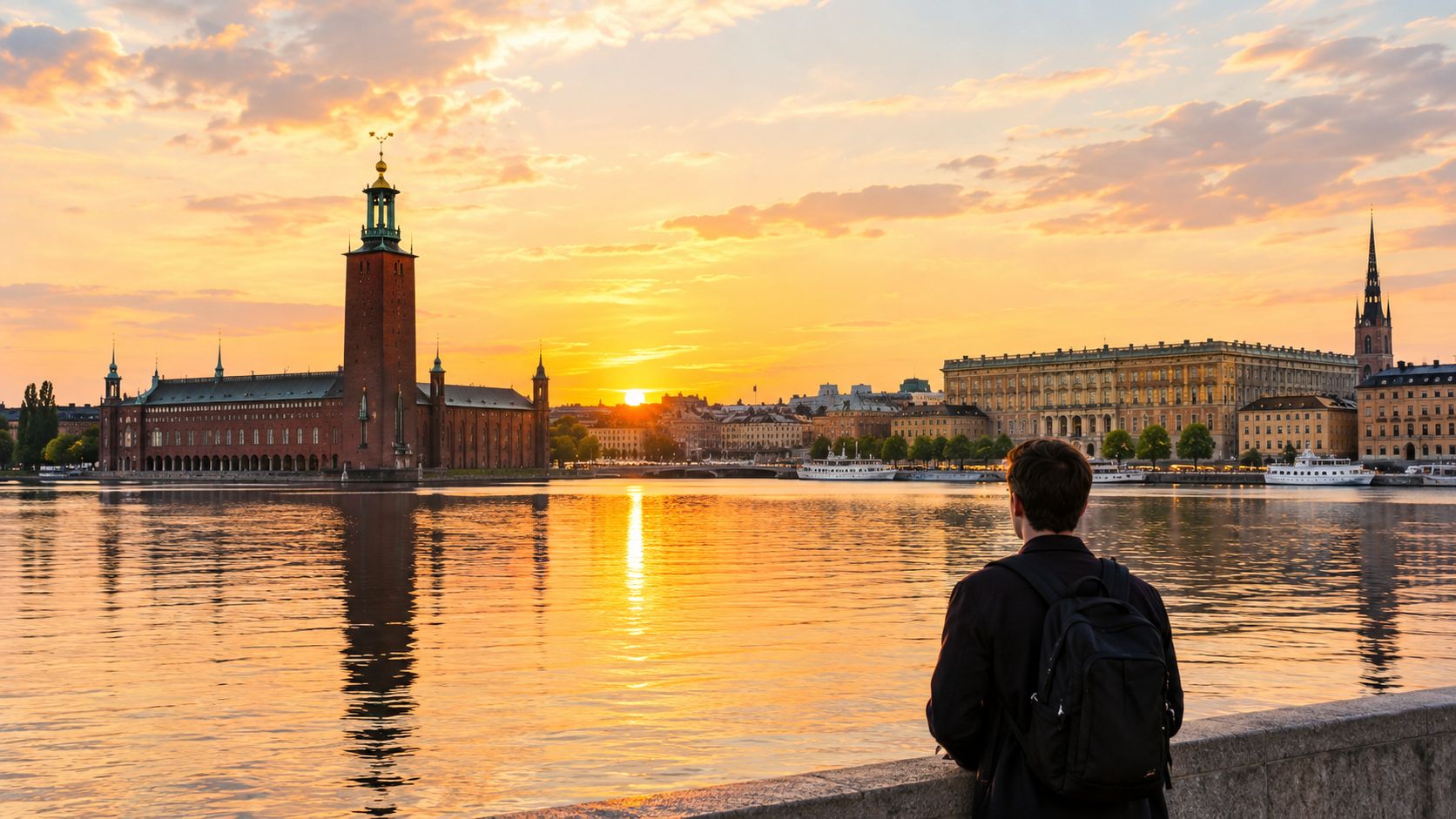
Stockholm also works best when the itinerary is shaped around what kind of traveler is coming. First-timers need a route that connects the classic sights without wasting transit time. Repeat visitors usually want something sharper, social, and more local, with room for archipelago days, late dinners, and after-dark plans that don't feel like a generic capital-city checklist.
Table of Contents
- Why Stockholm Is Worth Planning Carefully in 2026
- The Archipelago and Day Trips by Water
- Iconic Stockholm Sights Worth Your Time
- A Walking Day in Gamla Stan and Djurgården
- Stockholm Museums Ranked by Priority
- Where and What to Eat in Stockholm
- Stockholm After Dark and Social Experiences
- Offbeat Stockholm for Returners
- Seasonal Picks for Winter, Summer, and Shoulder Months
- Sample Itineraries From One Day to Five
- Common Planning Mistakes and How to Avoid Them
- Quick Reference Before You Go
Why Stockholm Is Worth Planning Carefully in 2026
Stockholm rewards planning because demand stays high, and the city does not absorb casual trip design very well. The city and county recorded 15.3 million guest nights in 2019, 15.2 million in 2023, and a new high of 15.97 million guest nights in 2025 (destination Stockholm). In summer 2025, Stockholm County also saw 5,217,911 guest nights, including 2,098,511 international stays, which were 16.9% higher year over year. That level of demand shows up in crowded ferries, booked-out museum slots, and restaurants that are easier to enjoy if you reserve the right parts of the day in advance.
Why the city rewards sequencing
A loose plan wastes time here. Stockholm is spread across islands, so crossing the city between sights can eat more of the day than the map suggests, especially if you stack too many stops that sit far apart. The usual mistake is planning by landmarks instead of by route.
Practical rule: if two sights are on different islands, assume the move will take longer than the map suggests.
That matters most for travelers trying to combine a first visit with an evening out, or a return trip with something more local. Stockholm works best when the day is built around classic anchors, water-based movement, and evening-friendly choices that fit the group and the budget. First-timers on a 2-day budget should prioritize Vaxholm plus Vasa, while groups that want nightlife should base themselves on Södermalm and book ferries after 1:30 p.m.
The Archipelago and Day Trips by Water
Stockholm's archipelago is too large to treat like a single excursion. The useful way to plan it is by travel time and traveler type, not by trying to rank every island. For most visitors, the right choice is about whether the day should feel easy, scenic, active, or slow.
Pick the island that matches the pace
Vaxholm is the straightforward classic. It suits travelers who want a fortress, compact streets, and a day that still feels recognizably Stockholm without requiring a full expedition. Fjäderholmarna fits a half-day and works well for families or anyone who wants a short boat ride and a low-pressure walk. Grinda is better for people who want quiet swimming coves and more nature. Utö is the option for travelers willing to stretch the day into something longer and more active, or even overnight.
| Island | Travel Time from City | Best For | Highlight |
|---|---|---|---|
| Vaxholm | About 1 hour | First-timers, couples | Fortress and compact old streets |
| Fjäderholmarna | About 25 minutes | Families, short stays | Easy half-day with short walking trails |
| Grinda | Longer ferry day | Walkers, swimmers | Quiet coves and calmer atmosphere |
| Utö | About 90 minutes by train plus ferry | Hikers, overnight stays | Longer day with more space and variety |
What works in practice
The point of the archipelago is not to “see an island.” It's to choose a day shape that fits the rest of the trip. Vaxholm is the least risky option if the weather turns. Fjäderholmarna is the safest bet for small children because the walk is short and the outing stays manageable. Grinda rewards people who want a slower pace. Utö makes sense when the trip already has enough city time and needs contrast.
Return logistics matter more than most guides admit. On summer weekends, booking the way back in advance is often smart, especially for the longer sailings. A common mistake is assuming all archipelago tickets are interchangeable, which they aren't. Another one is mixing up boat services and then discovering the return you planned on doesn't line up with the ticket you bought.
Iconic Stockholm Sights Worth Your Time
Stockholm's signature sights deserve time, but they do not deserve the same amount of time. The practical way to handle them is as a priority ladder, because many visitors cram the first day and then rush the places that actually repay a slower visit. The classics work best when they are sequenced with care.
The core sights and how long they actually need
Gamla Stan is the one place that still earns a proper wander. With Storkyrkan, the Royal Palace changing of the guard, and Mårten Trotzigs gränd, it works well as a 3 to 4 hour walk. It pairs naturally with a coffee stop at Chokladkoppen or a kanelbulle at Kärlekens Kvarn. The Royal Palace courtyard is free, which is useful if the aim is atmosphere rather than a full interior visit.
The Vasa Museum is a different kind of stop. The recovered 17th-century warship, raised after sinking in 1628 and officially opened to the public in 1990, deserves about 90 minutes as a standalone visit (Vasa Museum). Skansen, opened in 1891, works best as a half-day, especially if it is combined with Vasa on Djurgården (Skansen).
What to book and who each place suits
Stockholm City Hall is worth the stop only if the tower climb is booked ahead. The visit itself is short, around 45 minutes, but the tower tour is the constraint because it sells out days in advance. It suits travelers who want a landmark they can finish without losing half the day.
The biggest mistake is treating the city's icons as if they all deserve equal time. They do not.
For summer trips, book Vasa for 2 p.m. and Skansen for the morning via their official sites at least 3 days ahead, as both sell out on weekends. Travelers who want a better indoor museum day and a nightlife-ready finish often pair Vasa with a later dinner instead of trying to stack too many sights in one stretch. Stockholm's attraction economy has long been built on these globally recognizable places, with historical visitor volume showing why they matter (IRU Stockholm profile).
A Walking Day in Gamla Stan and Djurgården
A good Stockholm day can still feel relaxed if the timing is honest. The city punishes vague routing, especially when travelers try to combine Gamla Stan and Djurgården without respecting the water between them. The map makes it look easy. The clock says otherwise.
A realistic 10-hour route
Start at 8:30 a.m. on the Slussen southern escalators and cross into Gamla Stan before the souvenir strip fully wakes up. Västerlånggatan is best once the shops are open around 10 a.m., because earlier than that the street feels half-formed. Work toward Stortorget, then the Royal Palace area, and plan the outer guard at noon if the timing fits.
Lunch belongs near Österlånggatan, not after the ferry. By 1:30 p.m., head to Djurgårdsfärjan from the Slussen ferry piers and use the crossing instead of walking the bridge. The ride is roughly 10 minutes, and that save is real once the whole day is counted.
Why the Djurgården leg needs discipline
Djurgården looks close on a map, but under-planned moves can burn about 90 minutes in transit and waiting. That is why the 2 p.m. Vasa slot works well, because it locks the museum into the day instead of letting the day drift. After Vasa, the route can continue toward Djurgårdsbron and then on to Waldemarsudde or Skansen, depending on how much energy is left.
Save the Vasa audio guide for after lunch, when the crowd pressure tends to feel lighter.
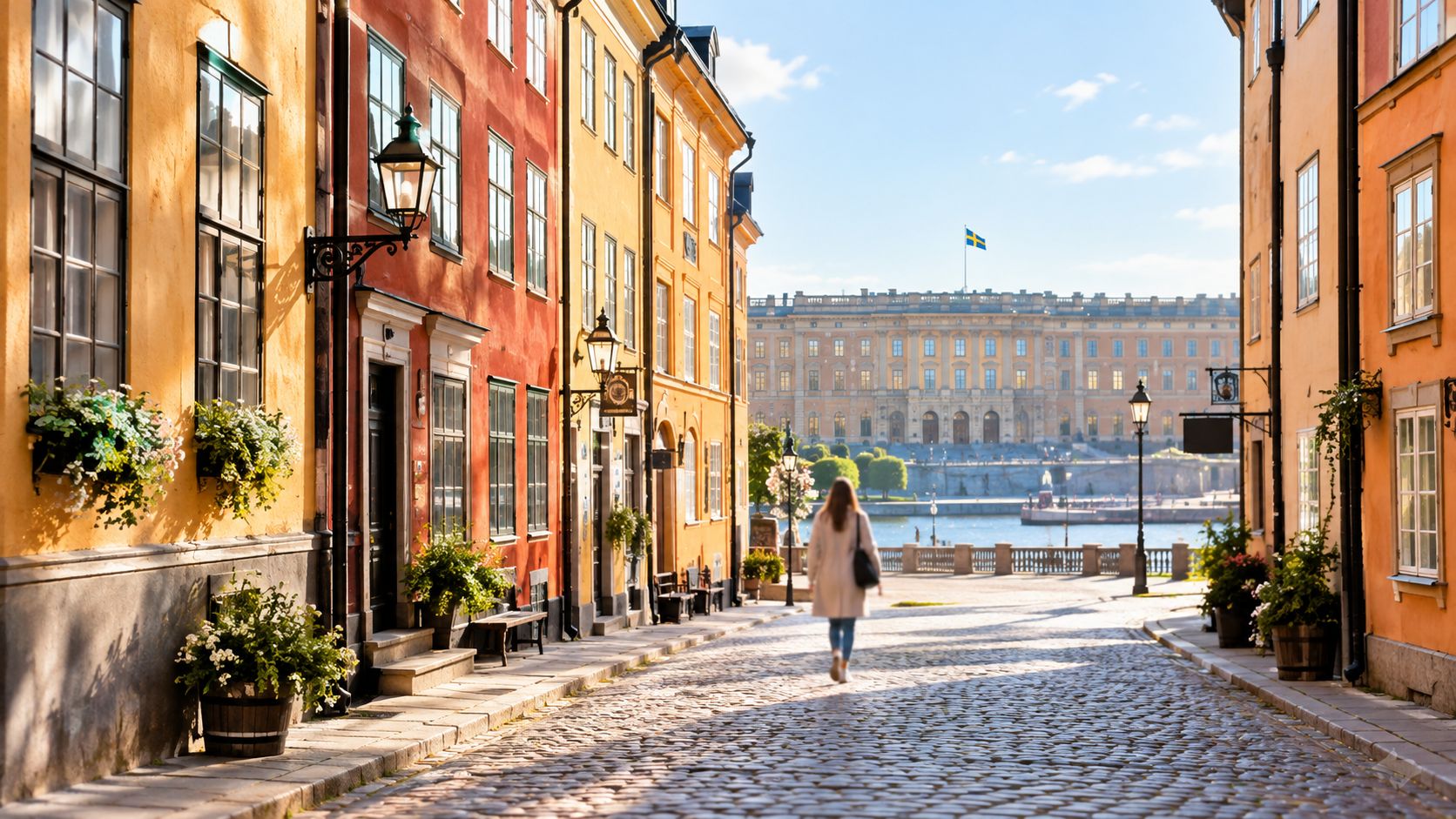
Toilets and water refills are easiest if they're handled before the ferry, not after it. The evening finish works best on Södermalm, ideally around 7 p.m. for dinner, because the day has already done enough. That sequence gives the city its strongest mix of water, walking, and one major museum without turning the day into a commute.
Stockholm Museums Ranked by Priority
Stockholm has enough museums to fill several trips, but the useful move is to sort them by payoff. Some places deserve a fixed slot because they're central to the city. Others only work if the rest of the day is already under control.
Must-see, worth-it-if-time, and skip-if-rushed
The must-see category starts with the Vasa Museum, which rewards even people who don't usually love maritime history. The ship, the artefacts, and the scale make it one of the rare attractions that justifies its reputation. Fotografiska also belongs here for visitors who want an indoor stop that can flow into an evening on Södermalm, especially because it stays open late enough to work as part of dinner plans.
The worth-it-if-time group includes Skansen, Nordiska Museet, ABBA The Museum, and Moderna Museet on Skeppsholmen. Skansen is the slowest of the lot and suits families or visitors who want a full cultural environment. Nordiska Museet makes sense for focused visitors who care about Swedish cultural history. ABBA is polarising by design, which means it's best when someone in the group genuinely wants it. Moderna Museet pairs well with a ferry ride and a more art-driven day.
What to skip when the day is tight
If the schedule is compressed, Historiska Museet is the first one to drop unless medieval gold is the main interest. Aquaria is not where short-stay time usually goes best. Junibacken is much easier to justify for Swedish-speaking families with children than for adults traveling without kids.
A useful accessibility note matters here too. Museums work better when layouts are clear, circulation is smooth, and indoor wayfinding is simple, which is why practical planning resources on improving museum accessibility indoors are relevant for any visitor trying to avoid friction across a long museum day.
| Priority | Museum | Recommended Time | Best For |
|---|---|---|---|
| Must-see | Vasa Museum | 90 minutes to 2 hours | First-timers, history interest |
| Must-see | Fotografiska | 2 hours | Evening plans, photography fans |
| Worth-it-if-time | Skansen | Half-day | Families, culture-focused visitors |
| Worth-it-if-time | Nordiska Museet | About 1 hour | Focused history visitors |
| Worth-it-if-time | ABBA The Museum | 90 minutes to 2 hours | Fans, groups |
| Worth-it-if-time | Moderna Museet | 1 to 2 hours | Art-led itineraries |
| Skip-if-rushed | Historiska Museet | Only if specific interest | Medieval history specialists |
| Skip-if-rushed | Aquaria | Short stop only | Low-priority add-on |
| Skip-if-rushed | Junibacken | Family-dependent | Children, Swedish-language comfort |
Where and What to Eat in Stockholm
A good Stockholm food day is usually built from four decisions, not a long list of reservations. Pick one fika stop, one casual lunch, one meatball meal, and one dinner worth dressing for. That keeps the day realistic and stops food from competing with ferries, museums, and walking time.
Fika, meatballs, and higher-end dinners
For fika, the reliable move is a straightforward coffee and pastry break, not a chase for the most famous room in the city. Vete-Katten on Kungsgatan and Lundbergs Konditori on Söder both do the job well, especially if the goal is a kanelbulle without a long sit-down commitment. The classic café queues are rarely worth it on a short stay.
For meatballs, the choice is between a modern tasting plate and a more traditional plate, with drinks pairing mattering more than many visitors expect. If you want ideas for balancing richer dishes with the right glass, see best food and drink pairings in Amsterdam. Meatballs for the People is the better fit when the group wants variety and a contemporary format. Pelikan on Södermalm is the classic room, and it should be booked well ahead for Friday or Saturday dinner.
Casual food that actually fits a city day
Market halls and street stops are the smartest casual choices. Östermalmshallen works for herring, shrimp skagen, and a proper lunch break. Hötorgshallen is stronger when value matters more than atmosphere. Nystekt Strömmingsvagn on Södermalm fits well when the day already includes a lot of walking.
Dinner timing in Stockholm runs later than many visitors expect. Walk-ins around 6 p.m. often see half-empty rooms because locals usually eat closer to 8 or 9. Vegetarian travelers will usually find two or three solid options on most menus, but pure-veg restaurants are still limited compared with more dining-dense capitals.
Booking rule: the more ambitious the kitchen, the earlier the reservation should be made.
For example, solo travelers on a budget should choose Hötorgshallen plus Nystekt Strömmingsvagn if they want to keep the day low-cost and flexible. Couples wanting a classic room should book Pelikan for Friday around 8 p.m. at least two weeks ahead.
Stockholm After Dark and Social Experiences
Stockholm nightlife rewards patience more than punctuality. A 7 p.m. dinner followed by a 10 p.m. bar hop usually feels too early for the city's stronger rooms, especially on Fridays and Saturdays.
How the evening actually unfolds
A practical night starts with dinner around 8 to 9 p.m., then bars from 9 to 10 p.m., and clubs after 11 p.m. The main pressure point is late entry, not early arrival. Doors at Trädgården and Slakthusen typically peak 00:00-01:30, and if you want to avoid the 30-45 minute queue that forms after midnight on Fridays, aim for 23:30 with pre-booked entry.
The city's evening scene splits into four useful buckets. Stureplan suits polished pre-drinks and higher-spend groups. Södermalm, especially Hornstull and Nytorget, works better for late cocktails and a looser crowd. Debaser and Fasching suit live music, and for context on how live venues shape a crawl, see live music in Amsterdam. Trädgården and Slakthusen are the clear late-night choices when the plan is to stay out.
District logic, prices, and dress code
Östermalm feels more expensive and dressed-up. Södermalm is casual and indie. Kungsholmen is a good choice for people who want a quieter evening without drifting far from the center.
Cocktail prices commonly sit around 150 to 200 SEK, beers around 90 to 120 SEK, and club entry around 150 to 250 SEK with drinks tokens. That makes the night easy to budget if you decide early whether you are doing one long stop or several shorter ones.
LGBTQ+ nights make the most sense in places like Torget or Mälarpaviljongen in summer. For group travel, a pub-crawl style night removes the friction of deciding on each venue separately and keeps the social energy moving. Late arrival is usually safer than forcing an early start that leaves you waiting around in half-empty rooms.
| District | Vibe | Avg Cocktail (SEK) | Best Arrival Time | Ideal For |
|---|---|---|---|---|
| Östermalm | Polished, expensive | 150 to 200 | 8 to 9 p.m. | Dressier nights |
| Södermalm | Casual, indie | 150 to 200 | 9 to 10 p.m. | Friends, relaxed cocktails |
| Kungsholmen | Quieter, underrated | 150 to 200 | 9 p.m. onward | Low-key groups |
| City center | Tourist-friendly | 150 to 200 | Early evening or later | Short stays, first-timers |
Offbeat Stockholm for Returners
Once the obvious sights are done, Stockholm becomes a much better city. The returner's version is less about ticking boxes and more about choosing experiences that feel recognizably local. That usually means moving from the transport system to the edge of the city's quieter places.
Four strong options beyond the checklist
The T-bana metro art network is one of the easiest ways to turn transit into a real activity. The best-known stops include T-Centralen blue line, Solna Centrum, and Kungsträdgården. It works best as a short afternoon when the goal is to see how much design can live inside public infrastructure.
Skogskyrkogården is the opposite kind of experience, slow and quiet. The UNESCO woodland cemetery in Enskede rewards travelers who want architecture, natural surroundings, and a more reflective rhythm. It needs 2 to 3 hours once transit is included, which makes it a better half-day than a quick stop.
Water, sauna, and ferry days
The floating sauna format has become one of the city's more memorable social options, especially when paired with a cold plunge. It suits couples, solo visitors, and small groups who want something that feels Scandinavian without being staged. Summer bookings should be made 1 to 2 weeks ahead because the best slots go quickly.
A ferry-to-nature half-day is the cleanest way to reset the trip. Routes toward places like Möja or Utö work especially well for people who already did the museum circuit and want one quieter contrast. Weekday sailings are less frequent, so this is the kind of experience that rewards advance planning.
Good returner formula: one metro-art afternoon plus one full nature half-day gives the trip more variety than another sightseeing block.
Seasonal Picks for Winter, Summer, and Shoulder Months
Stockholm changes more by season than many capitals, so the right itinerary depends on when the trip lands. Winter is not a reason to avoid the city. It is a reason to plan for shorter light and more indoor anchors.
What to do by season
Winter from December to February works best around Skansen's Christmas market, skating at Kungsträdgården or Brunnsviken, and indoor museum time like the ABBA Museum. Daylight can be tight enough that sunset arrives before 3 p.m., so long outdoor walks need to be front-loaded.
Shoulder months from March to April and October to November are ideal for people who like walking without the summer crowds. Walpurgis Night on April 30 brings bonfires and choir singing at Skansen, and the city usually feels calmer than in midsummer.
Summer from May to August is the season of long daylight, outdoor dining, archipelago ferries at full schedule, and Gröna Lund reopening. Midsommar in mid-June is the biggest planning warning because many shops close and the city can feel unexpectedly quiet.
| Season | Months | Key Activities | Major Events | Planning Note |
|---|---|---|---|---|
| Winter | Dec to Feb | Skating, museums, Christmas market visits | Lucia concerts in December | Keep outdoor plans short |
| Shoulder | Mar to Apr, Oct to Nov | Walking, cultural visits, city breaks | Walpurgis Night on April 30 | Good for flexible itineraries |
| Summer | May to Aug | Archipelago trips, outdoor dining, amusement park visits | Midsommar, kräftskivor in August | Book ahead and expect closures around Midsommar |
Sample Itineraries From One Day to Five
The length of the trip should decide the ambition, not the other way around. Stockholm is generous if the plan matches the time on hand. It punishes overreach quickly.
What each trip length can realistically carry
A one-day visit has to be ruthless. The core is Vasa, a Djurgården loop, early evening Gamla Stan, and a late dinner in Södermalm. The sacrifice is a real archipelago day, which is the hardest compromise but the one that keeps the schedule from breaking.
A two-day trip can add either Vaxholm or Grinda plus a tier-two museum like Fotografiska or the ABBA Museum. That gives one water day and one indoor day without pushing the evenings too hard.
Where three and five days open up
A three-day stay is the most balanced for first-timers. It allows a fika-and-food crawl and one dedicated nightlife night in Söder or Stureplan. The main thing that gets dropped is the feeling that every district must be “done.”
A five-day stay reveals the offbeat layer, including Skogskyrkogården, a floating sauna session at Riddarfjärden, and a full-day trip to Sigtuna or Drottningholm. The trade-off is simple, the pace gets calmer, not busier.
| Itinerary Length | Major Sights Covered | Museums Included | Day Trip | Nightlife Window |
|---|---|---|---|---|
| 1 day | Vasa, Djurgården, Gamla Stan | 1 | None | Late dinner only |
| 2 days | Classic sights plus one district evening | 2 | Vaxholm or Grinda | One proper night out |
| 3 days | Classics, fika crawl, food stops | 2 to 3 | Optional half-day | One nightlife night |
| 5 days | Classics, offbeat picks, fuller neighborhoods | 3 to 4 | Sigtuna or Drottningholm | Flexible, unrushed |
Common Planning Mistakes and How to Avoid Them
The most common Stockholm mistakes are predictable, and they're all fixable. Most of them come from treating the city like one compact center instead of a set of linked islands with different rhythms.
The errors that cause the most friction
Underestimating walking and ferry time between Gamla Stan, Djurgården, and Södermalm creates the biggest headaches. A better fix is to build in at least a 45-minute buffer for island-to-island movement. Misjudging daylight is the second big one, especially in winter when sunset can fall before 3 p.m.
Overpacking museum days also backfires because some places close on Mondays or shift winter hours. The smarter move is to lock only the essential entries and leave one block open. Booking ambitious dinners too late is another mistake, especially for higher-end rooms that fill earlier than casual restaurants.
The short pre-trip checklist
- Choose the base area first: stay near where the evening plan is.
- Book the anchor tickets early: Vasa, Skansen, and tower visits deserve priority.
- Leave one gap in the day: Stockholm works better with breathing room.
- Check daylight before building walks: winter and summer behave very differently.
- Reserve dinner if the room matters: ambitious kitchens don't reward spontaneity.
Quick Reference Before You Go
A few basics make Stockholm easier the moment the trip starts. Most museums open around 10 a.m. and close around 5 to 6 p.m., and many are closed on Mondays. Shops often run shorter Sunday hours, so groceries and late errands should be handled earlier in the week.
Fast practical checks
- Transport pass: the SL 24, 72, or 168-hour card usually gives the best value for metro, buses, and many ferries within zone limits.
- Airport transfer: Arlanda Express is faster, but budget travelers usually won't find it worth the premium.
- Tipping: round up or leave about 10 percent at restaurants if service deserves it, and there's no real expectation in taxis.
- Emergency number: 112.
- Useful phrases: “tack” means thank you, “hej” means hello, and “ursäkta” helps when asking for space or attention.
If mobile data matters for maps, tickets, and ferry changes, it's worth checking a practical resource to compare eSIMs for Sweden before arrival. The highest-value purchase for most visitors is still the SL card, because it reduces friction across the city without forcing every ride to be calculated separately.
If Stockholm is on the list, the smartest move is to book the trip around how the city moves, not how a postcard makes it look. Ultimate Party Amsterdam can help travelers turn a short city break into a smoother social trip, with nightlife experience and group planning that's built for people who want the evening to work. Visit Ultimate Party Amsterdam to see how their hosted experiences fit a city-break plan that needs less guesswork and more momentum.
🍻
Experience it Yourself
Skip the planning — join Amsterdam's biggest pub crawl and get 6 bars, free drinks and VIP club entry for €20.