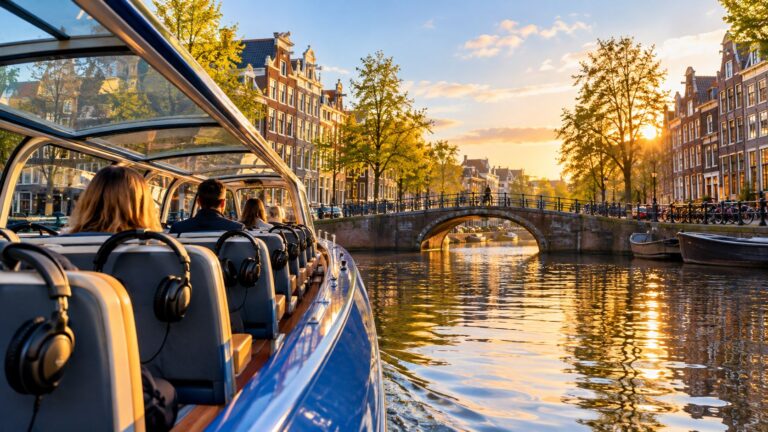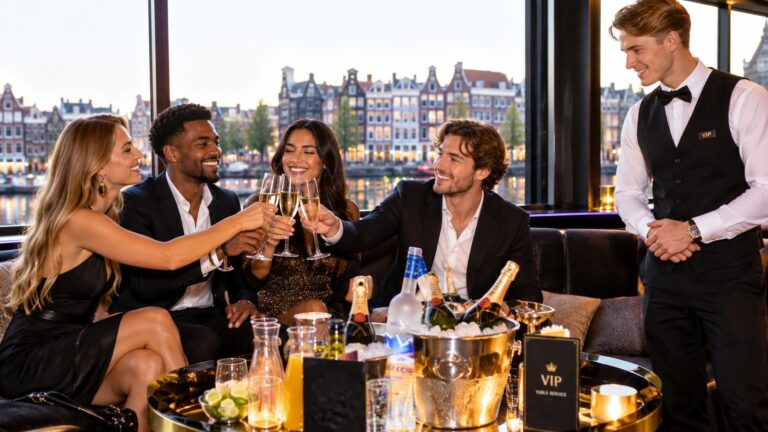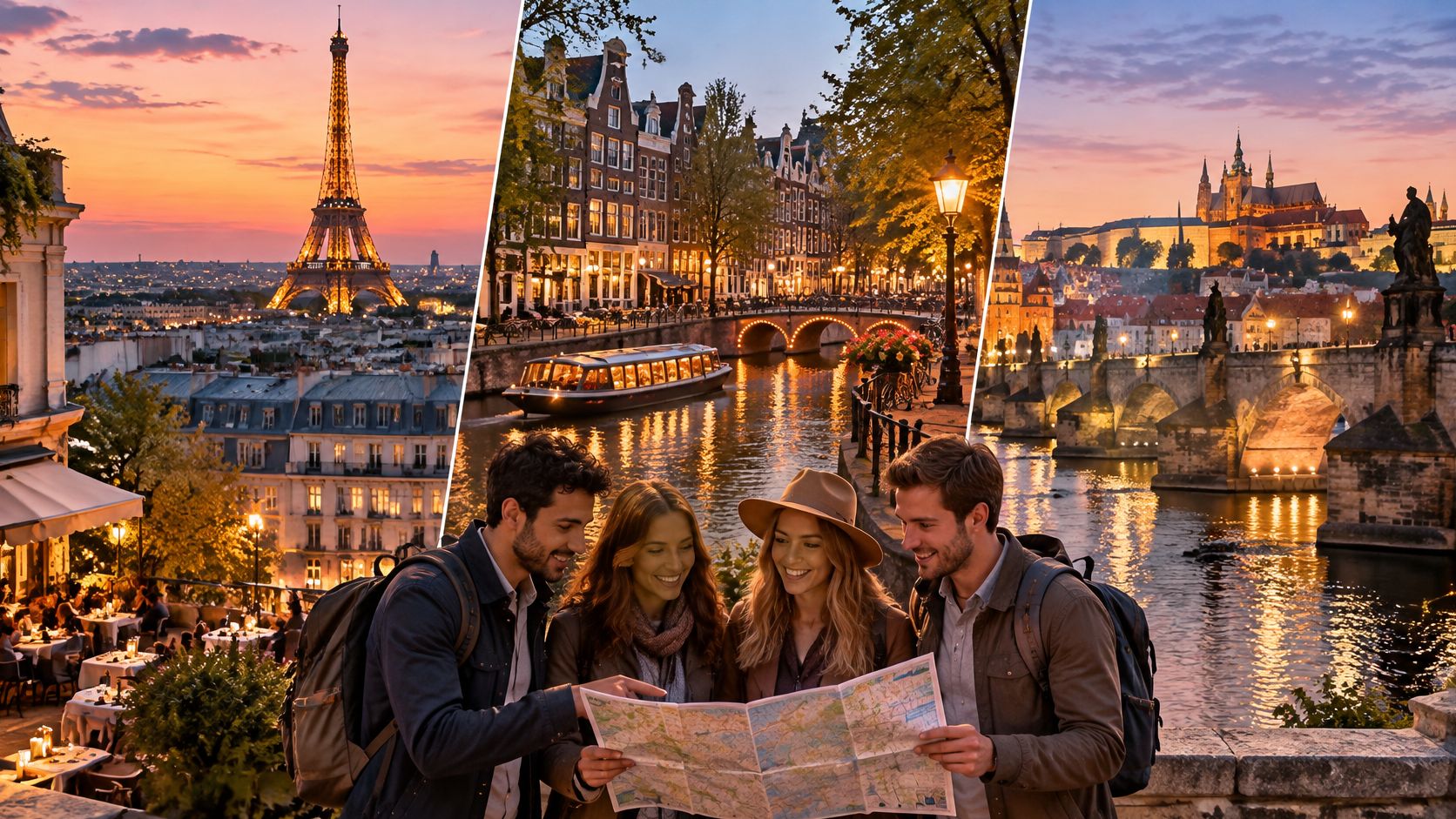
It is Friday evening. The flight has landed late, the group wants a plan, and nobody is opening a spreadsheet. Two nights is the whole break. The useful question is simple. Where does the evening work?
That is how city breaks in Europe get decided now. Eurostat reported that 56% of tourism trips made by EU residents in 2024 lasted only 1 to 3 nights, while EU residents made approximately 1.2 billion tourism trips overall. The same release shows that 29% of EU trips were international and that residents took approximately 343 million trips abroad, so a cross-border weekend is a normal trip, not a niche. A short stay fails when the first night is spent crossing the wrong districts, or when the one sight that needed a timed ticket is already gone.
Nine cities are judged here on the same test. What makes the place worth a short break. How the night runs. A realistic 48-hour route. The mistakes that cost first-timers the most time and money. The list is Amsterdam, Barcelona, Berlin, Prague, Budapest, Lisbon, Rome, Kraków and Edinburgh. Each one can hold a real evening if the base neighbourhood and one or two bookings are fixed before the bags hit the floor.
Table of Contents
- 1. Amsterdam, Netherlands
- 2. Barcelona, Spain
- 3. Berlin, Germany
- 4. Prague, Czech Republic
- 5. Budapest, Hungary
- 6. Lisbon, Portugal
- 7. Rome, Italy
- 8. Kraków, Poland
- 9. Edinburgh, Scotland
- How the nine city breaks compare on nightlife style, getting around and who they suit
- Turning the Shortlist Into a Real 48-Hour Plan
1. Amsterdam, Netherlands
Amsterdam wins a late Friday because the historic centre is compact. The canal ring is walkable, and trams cover the gaps. Daytime belongs to the Rijksmuseum or the Anne Frank House. Night clusters in the Red Light District, Leidseplein and Rembrandtplein, so a bad hotel is the expensive mistake.
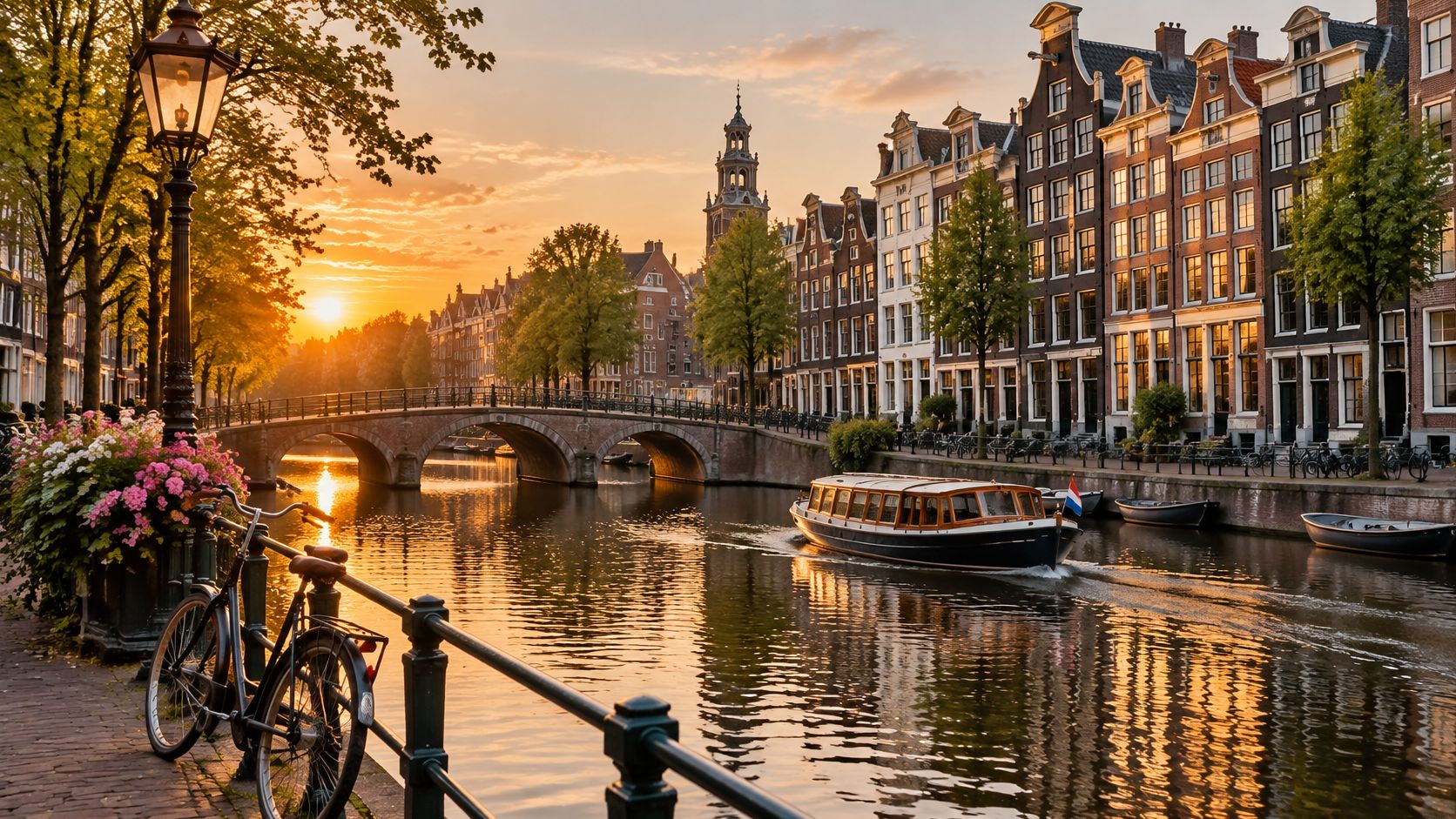
Ultimate Party Amsterdam has offered pub crawls and booze cruises here since 2006. A hosted start beats an improvised bar hop when the group has one clean evening. Adventure.com reported overnight stays of 23.7 million in 2025, approximately 800,000 more than in 2024, despite the city's stated legal cap of 20 million. Recent responses include higher tourist taxes, restrictions on guided tours in the Red Light District, limits on cruise ships, earlier bar closures in the centre, and a public-smoking fine. Don't treat the centre as an open party zone.
Practical rule: Book timed entry for the Anne Frank House and the Rijksmuseum before summer dates go, then keep the second evening in one district.
Stay near Centraal Station, the Jordaan, or the Canal Ring. The Amsterdam nightlife areas page is the quickest way to find a bed that fits your night plans. Tourist tax is usually paid on arrival or at checkout. Keep phones in front pockets and always lock your bike. Local friends who stay out late often book trusted cat sitters in Amsterdam so they don't have to rush home at midnight.
2. Barcelona, Spain
Saturday in Barcelona only works if the Sagrada Família slot is already in the phone. Antoni Gaudí's buildings, including Park Güell, plus the Gothic Quarter, will fill a day on their own. Barceloneta looks close on the map and then eats the afternoon that was meant for El Born.
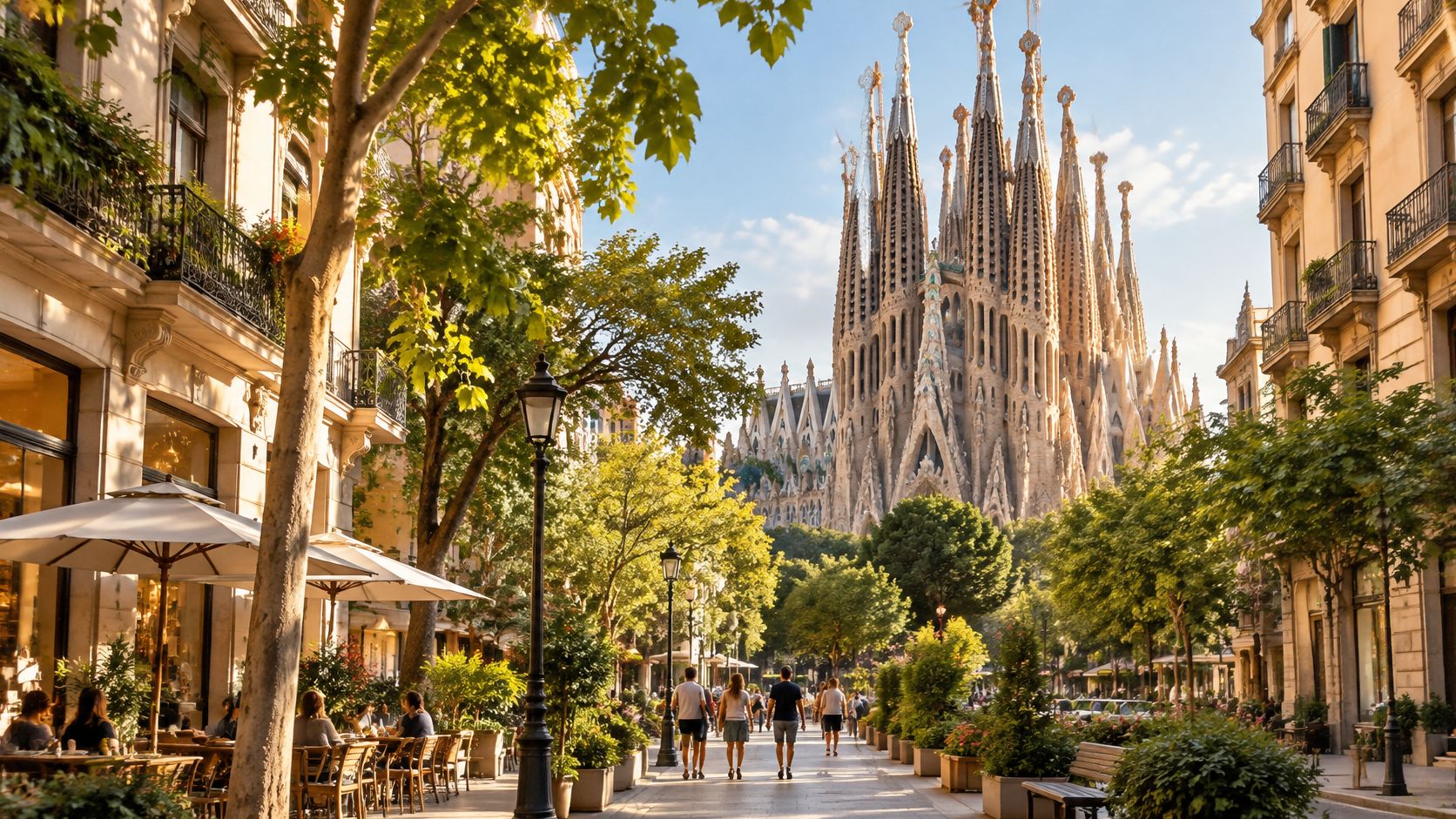
Eurostat's online short-stay figures put Barcelona at 13.2 million guest nights booked through online collaborative-economy platforms in 2025. You aren't the only person with a 48-hour plan. Book the basilica and Park Güell for a set time, days ahead, or spend the morning in a queue.
A clean route is the basilica on Saturday morning, a menú del día at lunch, and bars in El Born after dark. Gràcia suits a second night if the group wants a rooftop rather than the beach strip. Stay in El Born, Gràcia or the Eixample. Dinner starts later than it does at home. On Las Ramblas and the metro, keep the bag closed and in front of you.
3. Berlin, Germany
Berlin is the opposite problem. The city is large, and a 48-hour stay dies in transit if the hotel was chosen for a photo and the night is somewhere else.
A history day can hold the Berlin Wall Memorial, Checkpoint Charlie and the Reichstag Dome. The Dome needs a booking, and walking up without one is a wasted hour. Nightlife sits in Friedrichshain and Kreuzberg, with late bars and clubs that don't keep a neat closing time. Mitte or Friedrichshain is the base that serves both the sights and the night.
Eurostat's city statistics list Berlin at 16,455 tourist nights per square kilometre. Demand is dense, but the map is still wide. Buy a day transport ticket if you will cross the city more than twice. Dress for club doors and arrive at a reasonable hour. A group that shows up very late often spends the money outside.
Clubs reward a plain outfit and an earlier arrival. A dressed-up group after midnight often spends the evening on the pavement.
4. Prague, Czech Republic
Prague looks effortless and then charges you for standing still. The Old Town, Charles Bridge and Prague Castle will fill two days. Beer is the evening plan, but the main squares price it for people who won't walk ten minutes.
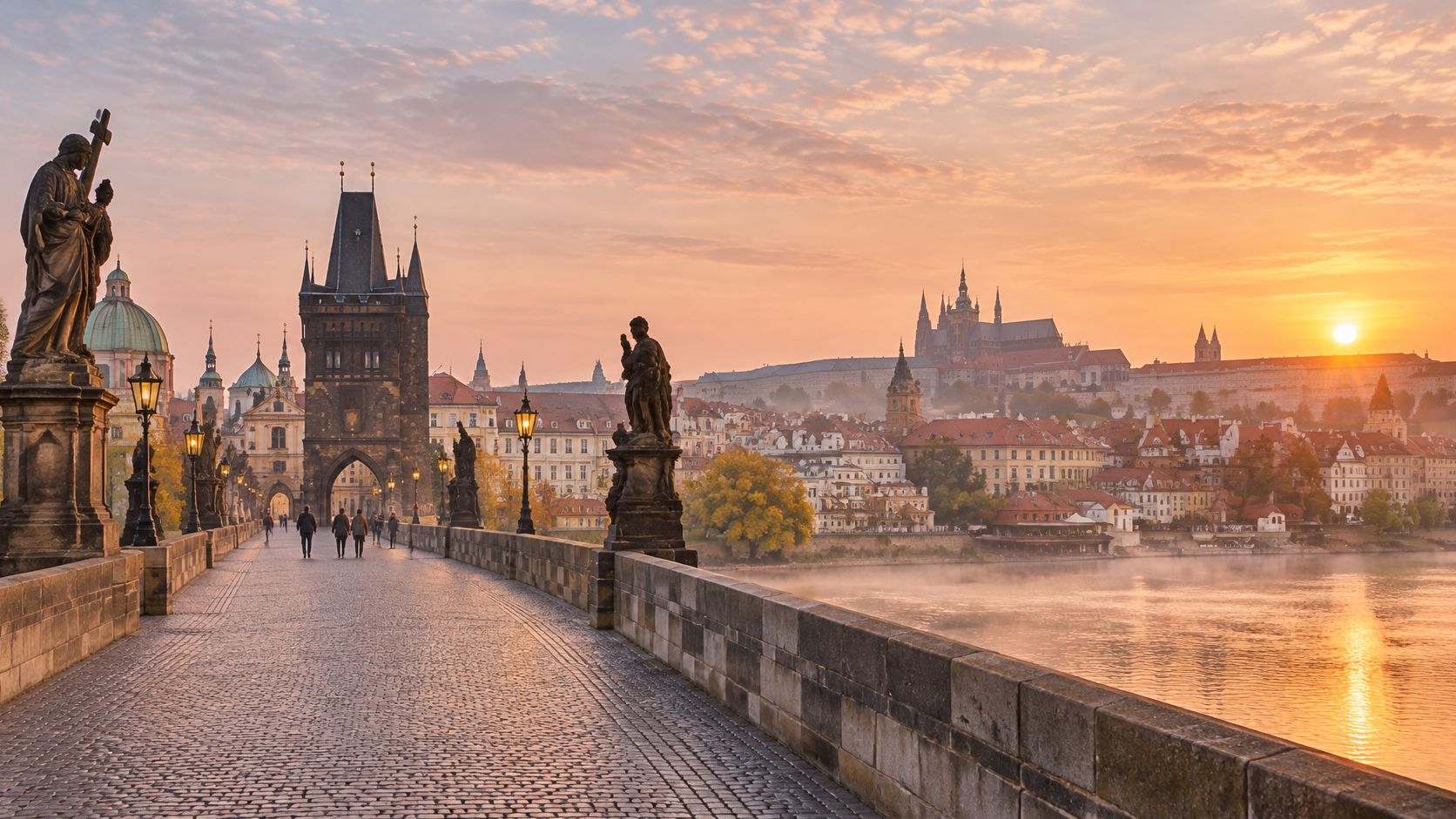
A couple or a small group can do this without a packed schedule.
- Morning: Cross Charles Bridge early, before the bridge becomes a queue with a view.
- Afternoon: Use a prebooked time slot at Prague Castle. Turning up and hoping is how the day collapses.
- Evening: Drink local lager in a traditional pub, not at a table on the main square. Vinohrady or Karlín is the better second night if the Old Town already feels packed.
From the station, use an official taxi or a ride-hailing app. Unmarked cabs are where first-timers lose the money. Two to four days is enough. On a strict 48 hours, skip the day trip and keep the castle slot.
5. Budapest, Hungary
Budapest only works on a short break if you pick a side and stay there. Buda has the Castle District on the hill. Pest has the Parliament, the flat streets, and the ruin bars of the Jewish Quarter. The night is in Pest. A scenic room on the hill means a taxi you didn't budget for.
Say the group has Saturday. Spend the day at Széchenyi or Gellért, then walk toward the Parliament as the light goes, and finish in the Jewish Quarter. Bring swimwear and a towel, or buy both at a markup near the baths. Book the Parliament tour and any river cruise before you fly. District V or VII keeps the bed close to both.
Check the price before you order, and ignore anyone touting outside the door. The ruin-bar street is social. It isn't a bargain by default.
A solo traveller can use a Castle District walk on the first morning and still make the Quarter at night. Don't try to "do both sides properly" after a late landing. The hill wins the photos. Pest wins the evening.
6. Lisbon, Portugal
Lisbon punishes a pretty pair of shoes and a vague night. The city sits on steep cobbles. Alfama and Mouraria hold the old streets and the fado rooms. Belém holds the monuments and the original pastel de nata stop. The relaxed night spreads across Bairro Alto, Cais do Sodré and Príncipe Real.
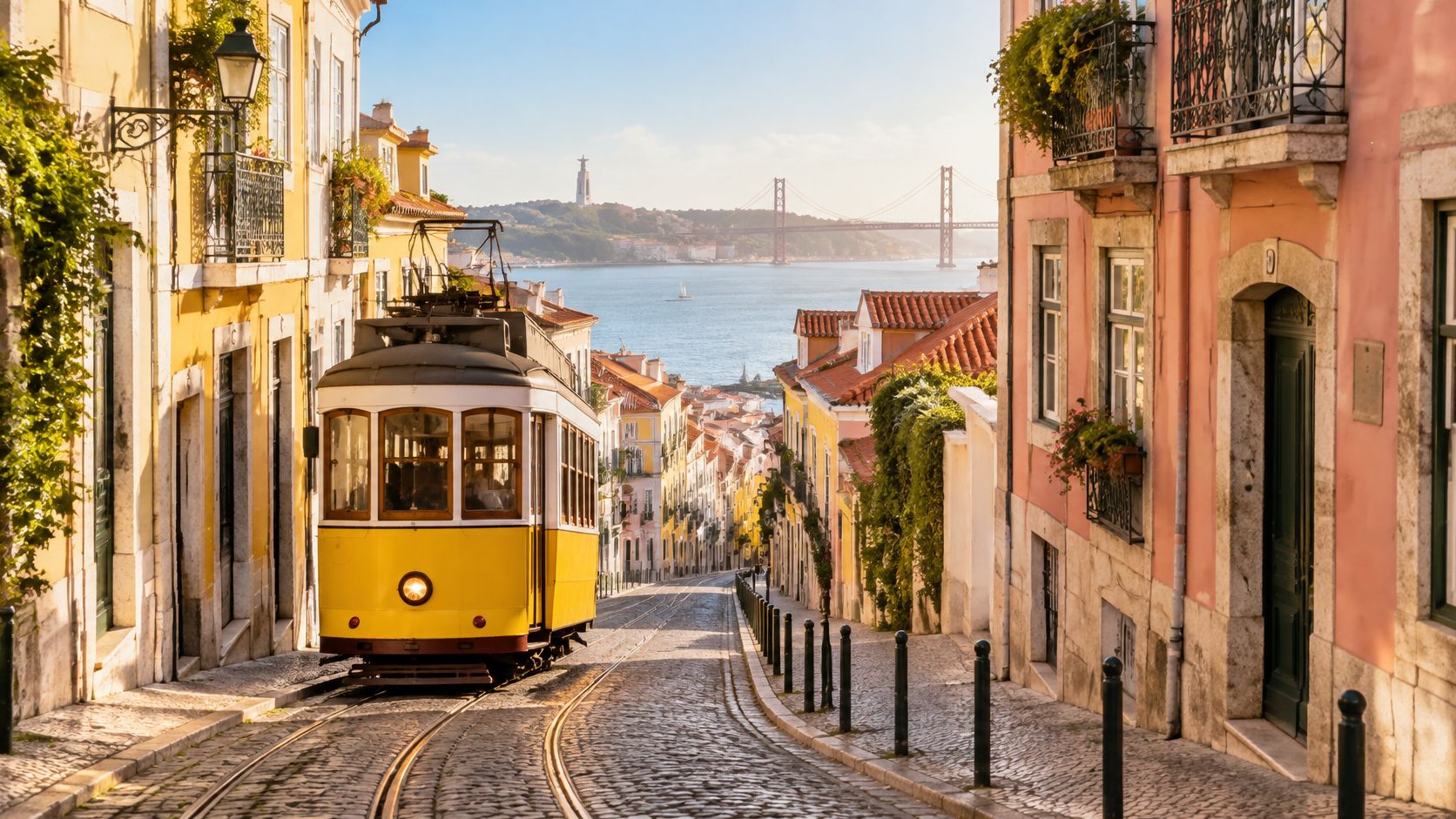
On a 48-hour stay, Sintra is the mistake. Pena Palace and Quinta da Regaleira are worth a day you don't have. Keep Belém to a morning, with the Jerónimos Monastery and one pastry, then come back to the hills.
Ride Tram 28 early or skip it. Later trams are a crowd with a view, and a closed bag in front of you is not optional. Book a fado dinner ahead, especially on a weekend, then move to Bairro Alto if the group still wants a bar. Shoes need grip. A smooth sole on wet cobbles ends the night early.
7. Rome, Italy
Rome isn't short of sights. It is short of hours. The Colosseum, the Roman Forum, the Pantheon and Vatican City sit within a few kilometres, and each one still takes a real block of the day. Trying to "pass by" all four is how a group sees four queues.
Eurostat's tourism overview notes that Rome, Paris and Barcelona each exceeded 40 million accommodation nights in 2024. Timed tickets aren't a fussy extra. Book the Colosseum, the Vatican Museums and the Sistine Chapel for a fixed slot, and go early, before heat and crowds stack up.
Use one day for the Colosseum and Forum with a guide, not a self-made route you will abandon. Use the next morning for the Vatican, then stop. Trastevere, Monti and Testaccio are where the evening should sit, in a trattoria or a wine bar off the main squares. Eat where the menu isn't translated onto a lightbox. Carry a bottle and use the public fountains. Three days is kinder than two. On two, cut a site, don't cut dinner.
8. Kraków, Poland
Kraków is the cheap, walkable break that people overload. The Main Market Square, Wawel Castle and Kazimierz can fill three easy days on foot. The error is bolting on Auschwitz-Birkenau and the Wieliczka Salt Mine and still expecting a night out.
A memorial visit needs a booked guided tour, and those tickets sell out. It also takes the emotional energy of the day. If the group wants bars in Kazimierz that evening, keep the salt mine for another trip. If the memorial is the point of the journey, let the night be quiet and local, not a crawl you won't enjoy.
Stay in the Old Town or Kazimierz so the walk home is short. Go to Wawel on a weekday morning. On the square, check the price before you order. The same beer is cheaper a few streets away. A couple can walk from the castle to the square and eat in the Old Town without a single transfer. That is the 48-hour version that works.
9. Edinburgh, Scotland
Edinburgh splits in a way that matters after dark. The medieval Old Town rises to the castle. The Georgian New Town sits on a grid below. Pubs and whisky bars cluster on the Royal Mile, in Grassmarket and down the Cowgate. Arthur's Seat is a morning, not an add-on before a show.
August is a different city. The Edinburgh Festival Fringe fills rooms and raises prices, so book the bed early or pick another month. Castle tickets often sell out in summer. Prebook them, then walk the seat early if the weather is clear. It won't stay clear. Waterproof layers and shoes with grip beat a light jacket you will regret on the climb.
A group night is simpler in Grassmarket and the Cowgate than on the busiest stretch of the Royal Mile, where you pay for the address. Use the New Town in the afternoon for cafés once the climb is done. Three nights suit the city better than two if a show is involved. On a strict weekend, pick the castle or the hill, not both before dinner.
How the nine city breaks compare on nightlife style, getting around and who they suit
| Item | Nightlife style | Getting around | Best for |
|---|---|---|---|
| Amsterdam, Netherlands | Brown cafés, dance bars and clubs | Walk, cycle, tram, metro or ferry | Museums, canal walks and varied nightlife |
| Barcelona, Spain | Late dinners and sociable bars | Metro and walkable central districts | Architecture, beaches, food and nightlife |
| Berlin, Germany | Techno clubs and late-running bars | U-Bahn, S-Bahn and trams | History, culture and late-night clubbing |
| Prague, Czech Republic | Traditional pubs, beer halls and craft breweries | Walkable centre and trams | Medieval sights and beer culture |
| Budapest, Hungary | Lively ruin bars and social nightlife | Metro, trams and buses | Thermal baths, river views and good-value nights out |
| Lisbon, Portugal | Relaxed bars and traditional fado | Walk, trams and funiculars | Historic neighbourhoods, viewpoints and fado |
| Rome, Italy | Relaxed trattorias and wine bars | Walk, metro, buses and trams | Ancient history, food and neighbourhood evenings |
| Kraków, Poland | Bars and clubs concentrated in the Old Town and Kazimierz | Compact centre, easy to explore on foot | History, value and a lively bar scene |
| Edinburgh, Scotland | Pubs and whisky bars | Compact centre, easy to explore on foot | Historic sights, pub culture and festival season |
Turning the Shortlist Into a Real 48-Hour Plan
Pick the city whose night matches the group, then book the timed tickets and the one or two evenings you can't afford to miss. Leave the rest open. A full attraction list is how a short break turns into queues and a late, bad dinner.
Booking.com's European travel trends note that 44% of Europeans rank city breaks among their preferred holiday types, and separate 2025 travel-analysis data found that three to four days was the most common trip length, accounting for 32% of bookings. Two nights isn't a failed holiday. It is a normal length. The plan has to match it.
The trade-offs are blunt.
- Compact and social: Amsterdam, Prague and Kraków let you walk from a daytime sight to the night. You lose money on tourist-square drinks and unmarked taxis, not on transit.
- Split cities: Budapest and Edinburgh only work if the bed is on the nightlife side, in Pest or the Old Town, not on the scenic hill.
- Large maps: Berlin and Rome punish a pretty hotel that sits far from the evening. Pay for the central bed, or buy the day ticket and stop pretending you will just walk.
- Late south: Barcelona and Lisbon eat time on beaches, trams and hill walks. Book the monument slot and one set evening, then cut Sintra or a second Gaudí site.
For Amsterdam, a structured start is the simple version of that advice. The 2 Night Pass from Ultimate Party Amsterdam covers both the Red Light District and Leidseplein pub crawls for €20 per person. Pub crawls run every night of the week, rain or shine, and cover charges are included at every venue. Ask about availability for your dates before you travel. A host, a fixed route and included entry matter more than another hour of scrolling maps on the plane.
Pack for the walking and the weather, not for a photoshoot. A short list of packable gear for European adventures is enough. Bring a waterproof layer, shoes that grip cobbles, and a bag that closes in front.
Ultimate Party Amsterdam runs nightly hosted pub crawls through the Red Light District and Leidseplein, plus shared and private canal booze cruises, for groups who want the evening fixed before they land. If the city break is really about one good night in Amsterdam, the route, drinks and club entry are already set. Check dates and options at Ultimate Party Amsterdam.
🍻
Experience it Yourself
Skip the planning — join Amsterdam's biggest pub crawl and get 6 bars, free drinks and VIP club entry for €20.