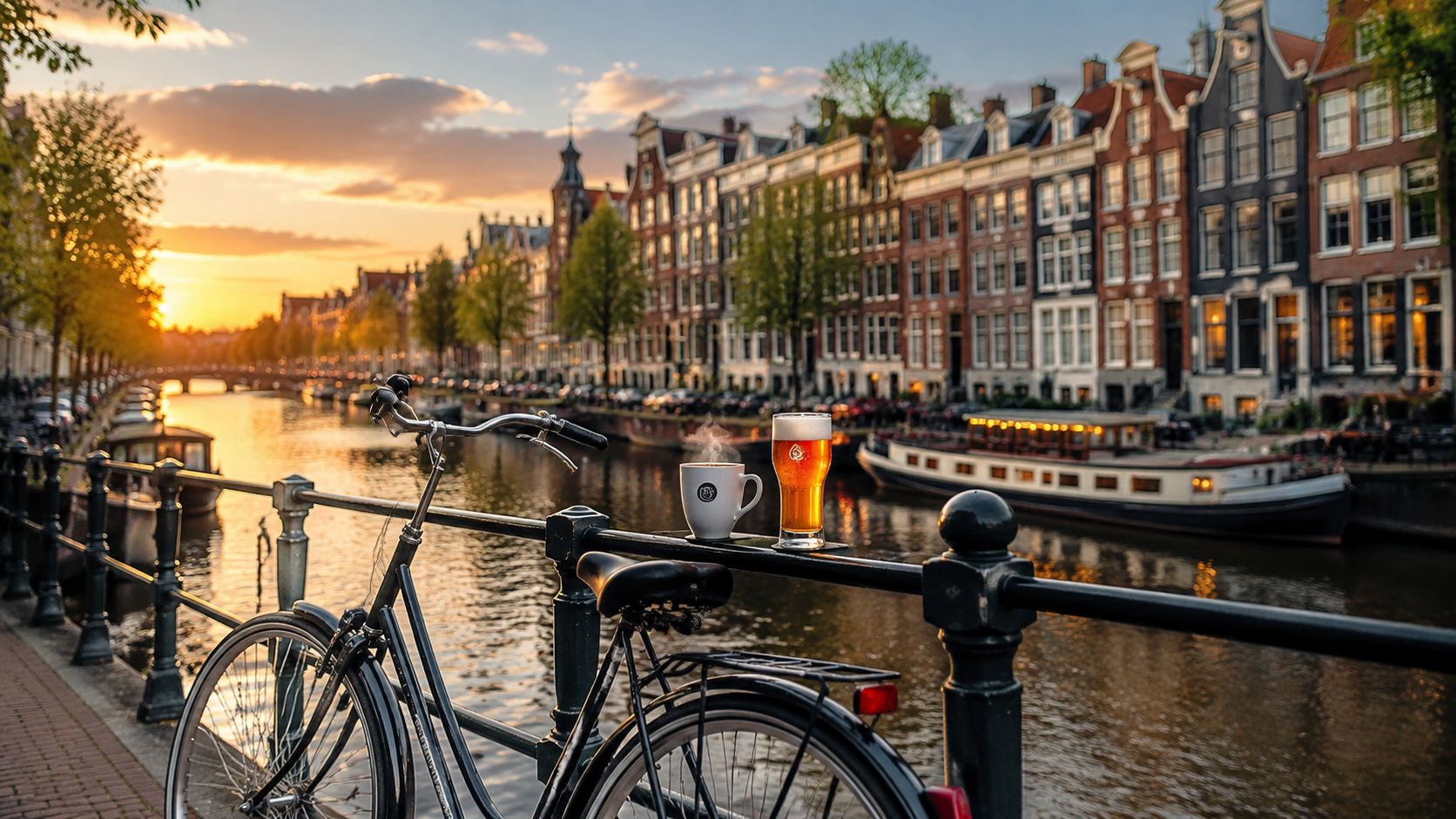
You've landed in Amsterdam with one day, a hotel bag still in hand, and a long list that includes canals, culture, Dutch food, and a proper night out. The usual mistake is trying to collect landmarks until dinner, then discovering that tired legs, full venues, and confusing late-night transport have turned the evening into an afterthought.
A workable 1 day in Amsterdam itinerary needs a deliberate handover from sightseeing to nightlife. Amsterdam welcomed an estimated 14 million unique day visitors in 2024, alongside 10 million overnight visitors who generated about 23 million overnight stays, so the central areas can feel busy even when a plan looks simple on paper. (Amsterdam tourism research)
Table of Contents
- Planning a Single Day in Amsterdam That Actually Works
- Morning Arrival and the Classic Canal Experience
- Afternoon Sightseeing and the Pre-Evening Reset
- Choosing Your Nightlife District and Evening Format
- Late-Night Safety and Getting Back After the Clubs Close
- Your Complete 24-Hour Amsterdam Timeline
Planning a Single Day in Amsterdam That Actually Works
A traveler arriving at Amsterdam Centraal in the morning can see a great deal in one day, but only if the itinerary leaves room for transitions. The strongest plan has three phases: a cultural morning, a flexible afternoon, and a pre-booked social evening. Each phase has a different job, and treating them all as a race creates the exact exhaustion that ruins the final hours.
The morning should establish the city's shape. A canal walk, coffee, one carefully chosen museum or cruise, and a compact route through the historic center will give a first-time visitor context without filling every minute. The afternoon should then narrow the focus rather than expand it. The Jordaan, the Nine Streets, or a single museum visit can provide enough character before the day turns toward dinner.
Practical rule: A one-day itinerary should protect the evening rather than spend it.
Front-load the decisions that create friction. Check the route from the hotel to the first activity, arrange mobile connectivity before leaving the airport or station, and reserve any timed attraction or evening experience that matters. A prepaid eSIM for an Amsterdam trip can help travelers keep maps, booking confirmations, and transport information available while moving between neighborhoods.
Packing also affects the night more than many visitors expect. Comfortable walking shoes, a compact rain layer, a portable charger, and a small secure bag are more useful than an overfilled daypack. A practical guide to packing essentials for Europe 2025 is useful for anyone assembling a short city-break kit.
Cycling can work for confident riders, but visitors unfamiliar with fast-moving cycle traffic shouldn't treat a rental bike as an automatic time-saver. Walking and public transport are often calmer for a first visit, while Amsterdam bike rental can suit travelers who already feel comfortable reading the city's cycling lanes.
The final decision is social. Someone traveling alone may prefer a hosted route that removes the awkwardness of entering unfamiliar venues, while a group may benefit from booking its evening format before the busiest period begins. The day works when the traveler reaches dinner with enough energy to enjoy the night, not merely survive it.
Morning Arrival and the Classic Canal Experience
The first four or five hours should orient the traveler without turning the city into a checklist. From Centraal Station or a central hotel, begin with a slow walk toward the Canal Ring, using the water and narrow streets as the natural map. The main canal belt includes Singel, Herengracht, Keizersgracht, and Prinsengracht, and each gives a different view of Amsterdam's canal houses and bridges.
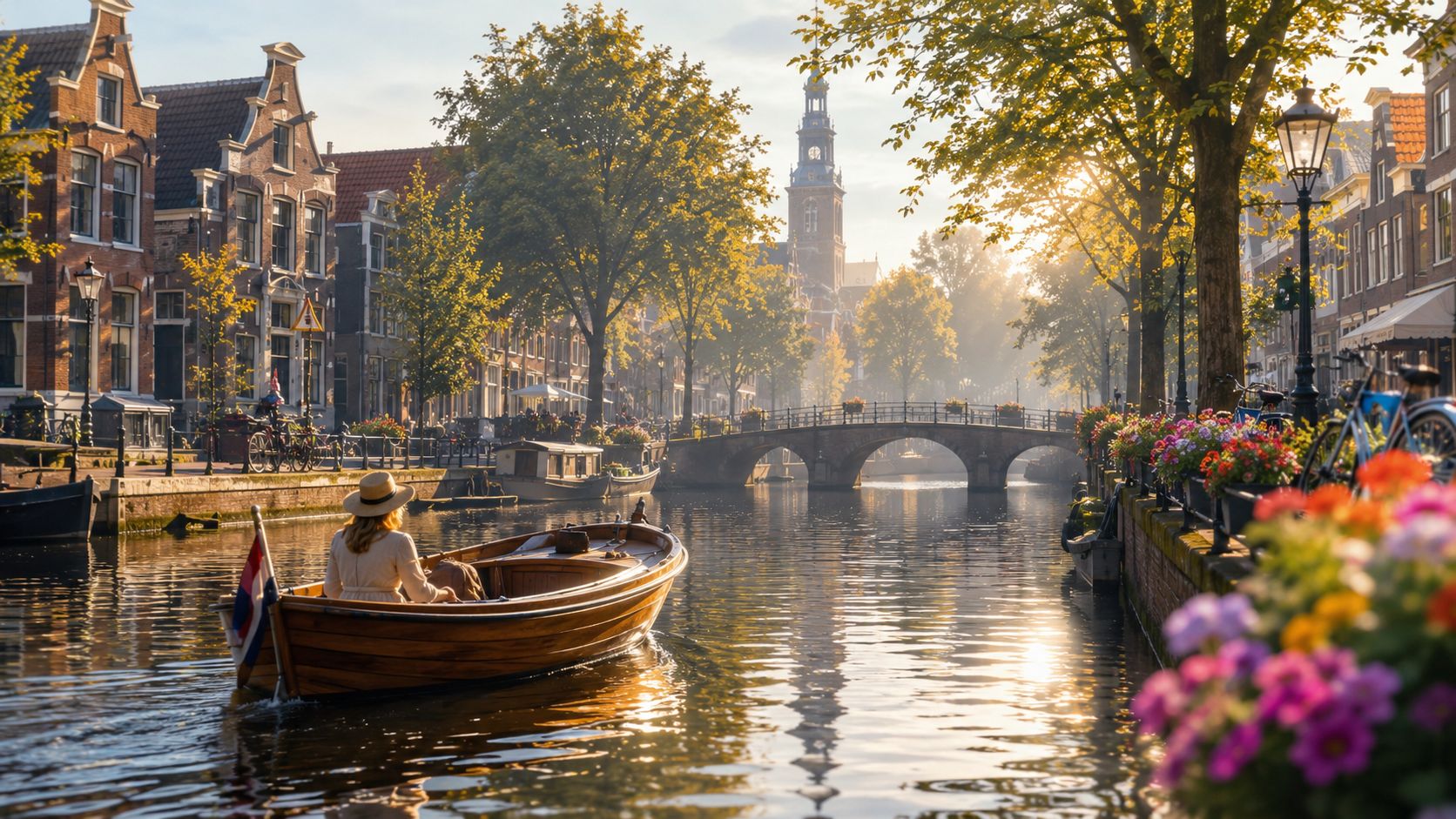
Start with coffee, pastry, and orientation
A coffee and Dutch pastry stop belongs near the beginning, not as a rushed reward at the end of the morning. A stroopwafel, apple pastry, or cheese roll gives visitors a quick introduction to local food while providing a chance to check reservations and walking times. Keep the stop practical. The aim is to settle into the city, not spend the first part of the day crossing town for a single famous snack.
After coffee, walk through a short section of the canal belt toward the Nine Streets or Jordaan. The best route is the one that leaves room to look up at the gabled houses, cross smaller bridges, and pause without worrying about the next appointment. Amsterdam rewards a slower pace, especially before the center becomes more congested.
Put the water early in the schedule
A daytime canal cruise is one of the most efficient ways to understand the city's layout. It gives visitors architectural context while resting their feet, and it avoids leaving the canal experience to the busiest part of the afternoon. A shared Amsterdam booze cruise can also work as an early social activity for travelers who want drinks and conversation before the evening begins.
The central canals are regulated as a zero-emission zone for pleasure craft. Since 1 April 2025, only electric, hydrogen, or manually propelled leisure vessels with the required vignette may enter the zone, and hybrid boats are acceptable only when operating emission-free. (Municipal guidance on Amsterdam's zero-emission canals)
That rule has a practical benefit for visitors. An electric boat typically creates a quieter experience, so conversation remains easier and the cruise feels less disruptive in the historic center. A shared electric cruise with unlimited beer, wine, and soft drinks can therefore serve as sightseeing and an early social warm-up, rather than competing with the cultural part of the day.
Keep the sightseeing loop compact
After the cruise, choose one walking loop rather than trying to cover every district. A sensible route might include the Jordaan, Prinsengracht, the Anne Frank House area, and the Nine Streets. Visitors who want a museum should select one timed visit and build the rest of the morning around it.
Avoid lingering around Damrak just because it sits between Centraal Station and the center. The street is convenient, but it can be crowded and commercially repetitive. Move toward the quieter canal streets once the basic orientation is complete, then save energy for the afternoon reset and evening plan.
Afternoon Sightseeing and the Pre-Evening Reset
The afternoon is where a crowded itinerary usually breaks. After a canal cruise and central walk, visitors should choose one substantial sight and one neighborhood, then stop adding attractions. Amsterdam's city center is compact, but queues, bridge crossings, café stops, and busy pedestrian routes make every transfer take longer than a map suggests.
Choose a single afternoon anchor
The Jordaan works well for visitors who want atmosphere, independent shops, canal views, and a less formal pace. The Nine Streets adds boutiques, cafés, and short photo stops without requiring a major detour. A museum visit suits travelers who prefer a focused cultural experience, but it should be booked with enough time to reach dinner without rushing.
A casual Dutch lunch can be simple. Look for a brown café, a bakery, a market stall, or a neighborhood lunchroom away from the most concentrated tourist traffic. Dutch pancakes, herring, cheese, soup, and filled rolls are all practical options, but lunch shouldn't become a long formal meal if the evening includes a cruise or pub crawl.
The afternoon should create a buffer, not another achievement.
Damrak and the streets immediately around major arrival points are useful for navigation but rarely the most relaxed places to linger. Walk a few blocks into the canal belt for a calmer meal, and keep bags closed in dense pedestrian areas. Amsterdam is generally safe, but independent safety guidance repeatedly identifies Centraal Station, Damrak, the Red Light District, and busy tram routes as places where pickpocketing deserves attention after dark. (Amsterdam safety guidance for visitors)
Reset before the evening starts
A short hotel break or quiet café stop is not wasted time. It gives travelers the chance to charge phones, change shoes, secure valuables, drink water, and confirm the evening meeting point. Anyone planning a social night should eat properly before drinking, especially after a full day of walking.
Use walking for short central transfers while the normal network is running, then switch to tram or metro when tiredness, rain, or distance makes the route inefficient. The important decision is not whether walking is more authentic. It's whether the chosen route preserves energy for the evening.
Leave the afternoon with a clear destination, a confirmed booking, and a simple route to dinner. Travelers who wait until the evening to decide between neighborhoods often lose time crossing the center, searching for space, and joining queues without knowing whether the venue suits their group.
Choosing Your Nightlife District and Evening Format
Amsterdam's main nightlife choice is less about finding a single perfect street and more about matching the district to the group. The Red Light District offers narrow historic lanes, canals, bars, and an intense central atmosphere. Leidseplein feels more like a concentrated entertainment square, with dance bars and venues clustered around a straightforward nightlife hub.
Both can work for a one-night visit, but they create different evenings. The Red Light District is convenient for visitors staying near Centraal Station and suits travelers who want to see one of Amsterdam's most recognizable nightlife areas. Leidseplein can feel more natural for groups focused on dancing and a broad bar circuit, especially when the evening begins after time in the Museum Quarter or Vondelpark.
A practical overview of Amsterdam nightlife areas helps travelers understand the walking distances and atmosphere before choosing a meeting point.
Red Light District versus Leidseplein
| Feature | Red Light District Pub Crawl | Leidseplein Pub Crawl |
|---|---|---|
| Atmosphere | Historic, compact, visually intense, and close to the central canals | Entertainment-focused, social, and centered around dance bars |
| Useful for | First-time visitors who want central nightlife and a guided route | Groups prioritizing dancing and a concentrated bar circuit |
| Experience format | Hosted route through six bars and clubs, with bar games and a VIP club finale | Route through the area's dance bars, with free drinks included and VIP entry at the closing club |
| Planning consideration | Narrow streets can become crowded, so group cohesion matters | The district is easy to use as a fixed evening base, but queues can build at busy venues |
The crawl inclusions are specific. Ultimate Party Amsterdam's pub crawls include six complimentary drinks or shots, venue cover charges, queue skipping, drink discounts, and a VIP club finale. A hosted route also reduces the need to negotiate every door, search for the next bar, or keep a large group together through unfamiliar streets.
Match the format to the traveler
A solo traveler often benefits from a shared hosted crawl because the social structure is already built into the evening. There's a meeting point, a route, group activities, and a host who keeps the night moving. That doesn't guarantee every person will want the same pace, but it removes much of the uncertainty involved in starting alone.
A stag or hen group may prefer a private arrangement when the schedule, mood, or celebration needs more control. A private canal charter can provide a separate setting before the bars, while a nightlife concierge can coordinate arrangements such as private crawls, event tickets, restaurant reservations, or transport when the group has several moving parts.
Couples and close friends don't need to choose a crawl automatically. A shared booze cruise may be the better fit for a relaxed hour on the canals, while a pub crawl suits travelers who specifically want hosted social interaction and a sequence of venues. Some groups combine the two, but they should allow enough time for dinner and travel rather than stacking activities without a buffer.
The city's canal rules also make the boat choice important. An electric vessel is the operational default for central canal nightlife, and the low-noise format makes it easier to talk before the evening becomes louder. The decision should be made before arrival, because last-minute choices are most likely to create delays at the point when the group has the least spare time.
Late-Night Safety and Getting Back After the Clubs Close
A night out in Amsterdam becomes easier when the return route is decided before the first drink. The city center can remain crowded late, but crowds don't remove the need for basic awareness. The main concern for visitors is usually opportunistic theft in dense areas, not violent crime, particularly around Centraal Station, Damrak, the Red Light District, and busy tram routes. (Independent safety guidance for Amsterdam visitors)
Treat the route as part of the booking
A hosted pub crawl can reduce safety friction because the group follows a known route, moves between venues with a host, and avoids repeatedly stopping to search for directions. That structure is especially useful for solo travelers, first-time visitors, and groups whose attention is divided between conversation, drinks, and navigation.
The Red Light District's narrow lanes can become difficult to move through when pedestrian traffic builds. Keep phones and wallets secure, don't photograph sex workers, and avoid letting one person drift away from the group without telling someone. In Leidseplein, the streets are more open around the entertainment hub, but the same rule applies. Busy does not mean risk-free.
Know what changes after midnight
Regular trams and metro services generally stop shortly after midnight. Night buses fill the gap between roughly 00:30 and 07:30, so a late return may require a night bus, taxi, walking, or cycling. (Amsterdam night transport guidance)
Check the route before leaving the final venue, not while standing outside with a low phone battery. A traveler staying near Centraal Station may find walking practical from the Red Light District, depending on the hotel's exact location and the group's condition. From Leidseplein, a night bus or taxi may be more sensible for a central hotel, especially after a full day on foot.
Make the final journey boring
Boring is useful at the end of a long day. Walk on lit, populated streets, stay with companions, use an official taxi rank or a licensed taxi, and keep the destination address saved in the phone. Anyone feeling too tired or intoxicated to find their way should not cycle.
Weekend nightlife can continue into the early morning, with typical club hours running to 4–5 a.m. on weekends according to independent visitor guidance. (Amsterdam nightlife safety guidance) That doesn't mean a one-day visitor needs to stay out until closing. It means the evening should be planned around the chosen experience and the return journey, rather than assuming dinner marks the end of the night.
Your Complete 24-Hour Amsterdam Timeline
This timeline keeps the day full without making every hour dependent on perfect conditions. Exact attraction and experience times should be checked before arrival, particularly during busy travel periods.
- Morning arrival: Leave luggage, confirm mobile connectivity, and begin near Centraal Station or the hotel. Walk into the canal belt rather than spending the first hours around the station.
- Late morning: Stop for coffee and a Dutch pastry, then take a daytime canal cruise or visit one pre-booked cultural attraction.
- Early afternoon: Walk through the Jordaan or Nine Streets, choose one museum or neighborhood focus, and have a casual Dutch lunch away from the busiest tourist strip.
- Mid-afternoon reset: Return to the hotel or settle into a quiet café. Charge the phone, change shoes, secure valuables, and confirm the evening meeting point.
- Early evening: Eat a proper dinner near the selected nightlife district. Don't arrive at a pub crawl hungry after a day of walking.
- Night: Choose the Red Light District for a guided central route or Leidseplein for a dance-bar-focused evening. A shared or private electric canal experience can replace or precede the crawl when the group prefers time on the water.
- After midnight: Assume regular trams and metro services may no longer be available. Check night bus options, arrange a taxi if needed, or walk with the group when the hotel is nearby.
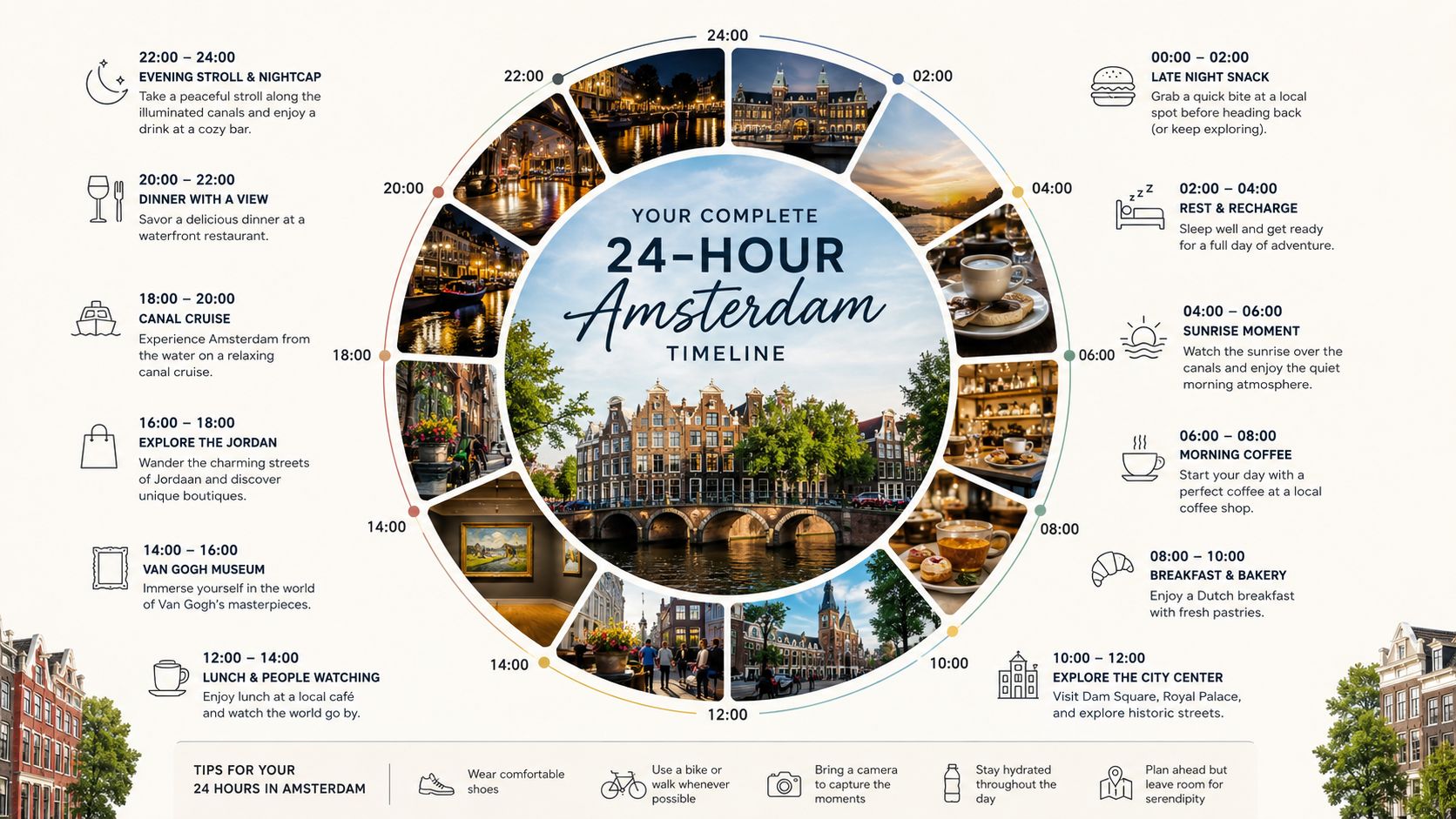
The most common mistakes are predictable: booking too many morning sights, skipping lunch, leaving the evening unreserved, and assuming trams run all night. A better checklist is short: one cultural anchor, one canal experience, one neighborhood walk, a real reset, dinner, and a confirmed nightlife route.
Amsterdam's tourism scale makes central bottlenecks part of the planning equation. Official forecasts placed overnight stays in the 23.0 million to 24.6 million range for 2025, while the city's tourism research describes a destination with substantial short-stay demand. (Amsterdam tourism forecast) Travelers who book the evening format early and decide how they'll get home can spend the night socializing instead of solving logistics.
Ultimate Party Amsterdam offers hosted pub crawls in the Red Light District and Leidseplein, shared and private electric canal booze cruises, and nightlife concierge coordination for groups that need help organizing the evening. Visit Ultimate Party Amsterdam to compare the nightlife formats and book the option that fits the final hours of a one-day Amsterdam itinerary.
🍻
Experience it Yourself
Skip the planning — join Amsterdam's biggest pub crawl and get 6 bars, free drinks and VIP club entry for €20.