Travelling from Amsterdam to Munich for a weekend? A beer-hall dinner, a festival visit, and a late night out call for different plans. Knowing what the group wants to do helps you choose a destination, set expectations, and leave time for the journey back.
Germany's regional character shapes what visitors see and order. Historical landmarks, local customs, and transport arrangements can all affect a short trip. These 10 interesting facts on Germany connect the country's history and culture to practical choices for international visitors.
Before you go, save your hotel address and group meeting point offline. The Germany mobile data plan comparison can help you compare connectivity options, so your group can find the right platform or meeting spot after arrival.
- Match the evening to the group. A beer-hall meal, a Christmas-market visit, and a techno night call for different schedules and expectations.
- Plan around the calendar. A public holiday can affect opening hours and transport, while festival dates may change how busy a city feels.
- Set the return journey before heading out. If your group is travelling onward to Amsterdam, agree on the station, departure time, and meeting point in advance.
That's the approach Ultimate Party Amsterdam brings to group planning: understand the destination before filling every available hour.
Table of Contents
- 1. Bavaria's Beer Purity Tradition Helps Explain the Menu
- 2. Germany's Brewery Culture Is Strongly Regional
- 3. Oktoberfest Started With a Royal Wedding
- 4. Germany Is Made Up of Federal States With Distinct Identities
- 5. The Berlin Wall's Opening Changed Germany
- 6. Parts of the Autobahn Have No General Speed Limit
- 7. Germany's Christmas Markets Have Deep Historical Roots
- 8. Germany Is the European Union's Most Populous Country
- 9. Berlin's Nightlife Can Extend Far Beyond a Conventional Evening
- 10. Long German Words Often Become Clearer When Split Apart
- How the 10 facts compare for visitors
- Turning German Facts Into a Smarter Trip
1. Bavaria's Beer Purity Tradition Helps Explain the Menu
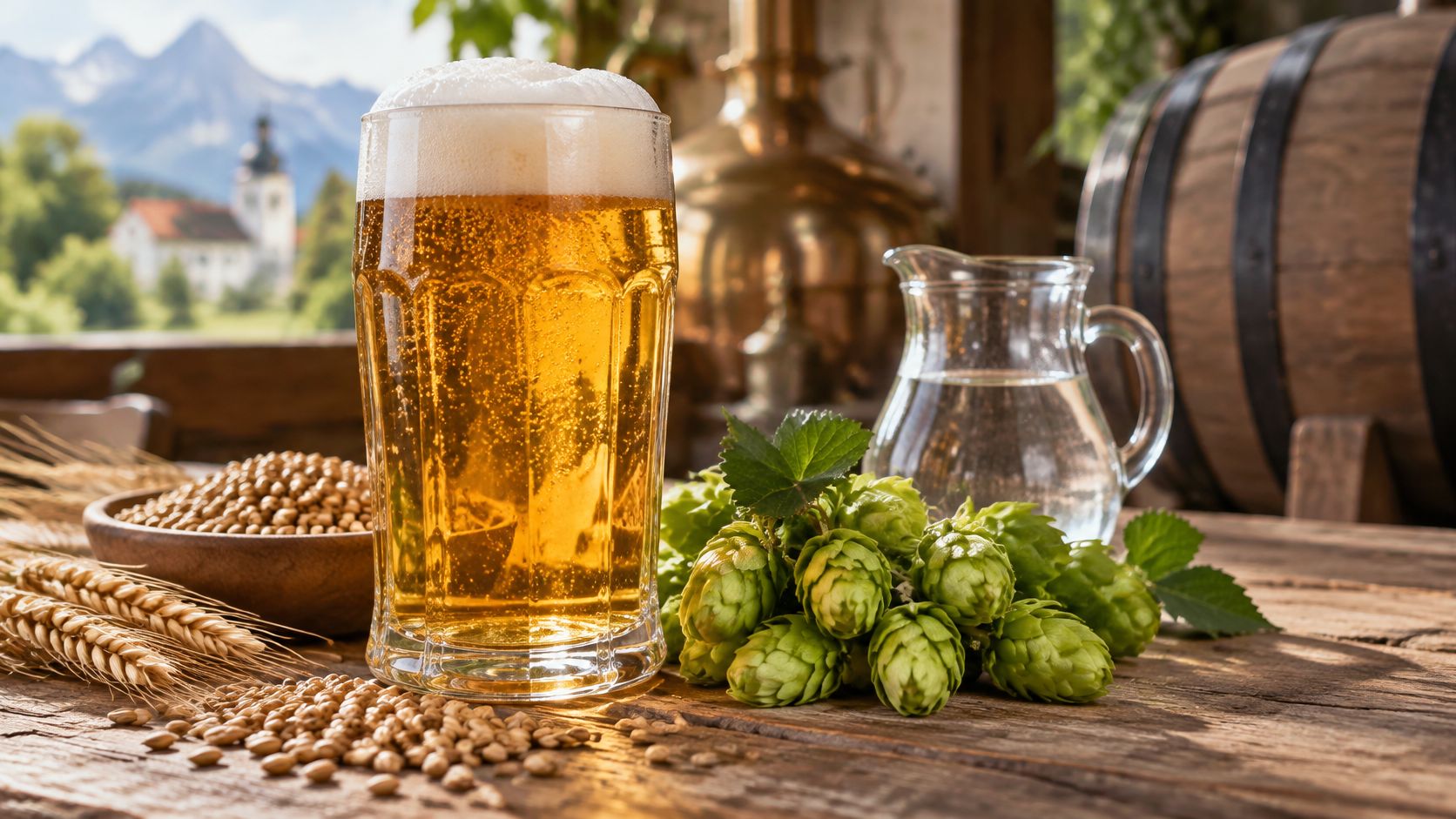
Reinheitsgebot, usually translated as the beer purity law, is a useful term to recognise on German beer labels and brewery menus. Its historical Bavarian ingredient tradition centred on water, barley, and hops, with yeast becoming part of the brewing explanation later.
It shouldn't be treated as a simple rule that explains every German beer available today. Wheat beers alone make that shortcut unhelpful, and ingredients don't tell the whole story of fermentation, flavour, or brewing technique.
Order by style, not just by country
A visitor who enjoys a crisp, bitter beer might start with a pilsner. Someone looking for a softer, fuller drink could ask about Helles, while a Weißbier offers a different introduction through wheat-beer character.
For example, friends sharing a beer-hall dinner could each order a different style rather than choosing identical drinks automatically. The useful question for the server is which beer tastes lighter, maltier, or more bitter, rather than which beer is most traditional.
Ordering advice: Check the style, serving size, and strength before committing to a large glass. A familiar-looking beer mug doesn't reveal all three.
The same comparison works in Amsterdam bars stocking German beers. Tasting a pilsner alongside a wheat beer gives curious travellers a clearer starting point than treating German beer as a single flavour.
2. Germany's Brewery Culture Is Strongly Regional
A brewery name on a pub sign can be a better clue to the evening than a familiar international logo. German beer culture includes regional producers whose drinks make more sense in their local setting than on a generic list of national favourites.
That's why a beer-focused trip benefits from curiosity rather than brand loyalty. Bavaria, Franconia, and the Rhineland offer different starting points, and a local recommendation can lead to something the group wouldn't have ordered at home.
Let the location guide the order
In Cologne, a visitor might ask about Kölsch; in Düsseldorf, Altbier provides a different regional reference. In Bavaria, a menu featuring Helles, Dunkel, and Weißbier gives friends an easy way to compare contrasting styles without chasing distant venues.
- Ask a specific question. Request a locally brewed beer and describe the preferred flavour, such as dry, malty, or gently bitter.
- Check the brewery connection. A venue displaying a brewery's name may focus on that producer rather than offering a broad tasting selection.
- Keep the route compact. A relaxed evening in a walkable neighbourhood usually works better than crossing a city for every drink.
For a group starting in the Netherlands, Ultimate Party Amsterdam's guide to local beers to try in Amsterdam offers a useful starting comparison. The point isn't to declare a national winner, but to notice what changes across the border.
A practical brewery evening also needs food, water, and a clear return route. A tasting plan shouldn't become a challenge to finish every style on the menu.
3. Oktoberfest Started With a Royal Wedding
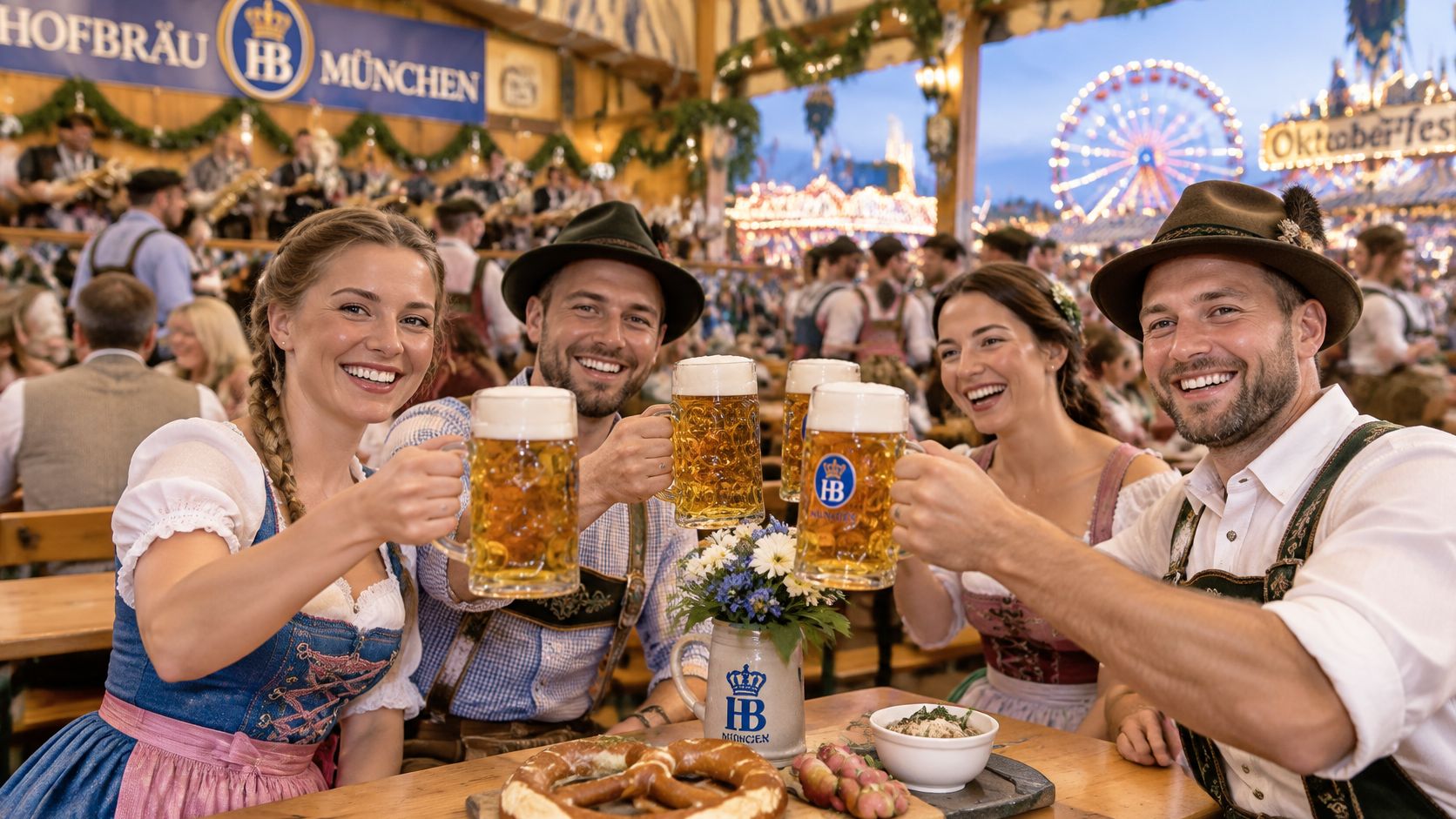
Munich's Oktoberfest began with celebrations for the marriage of Crown Prince Ludwig of Bavaria and Princess Therese of Saxe-Hildburghausen. The royal wedding helps explain the festival's mix of ceremony, regional traditions, food, and shared celebration.
Oktoberfest runs from mid-September into early October, so a late-October booking will miss it. For a group travelling from Amsterdam, settle whether the priority is a full festival day or sightseeing followed by a beer-hall meal, then plan accommodation and transport around that choice.
Plan around the actual festival calendar
- Book through official reservation channels. Choose a tent and time slot on its official reservation page, and check what the reservation includes and whether entry conditions apply.
- Set a meeting point outside. A clear landmark is easier to find than a message saying the group is somewhere inside.
- Protect the return journey. Choose a departure plan that does not depend on everyone leaving the festival at exactly the same moment.
Agree on the tent, reservation time, and return route before the group sets off. A little coordination makes the festival day easier to enjoy.
4. Germany Is Made Up of Federal States With Distinct Identities
Germany is a federal parliamentary democracy consisting of 16 federal states, known as Länder, according to the German National Tourist Board's country information. The states have their own constitutions and substantial responsibility for organising internal affairs.
For visitors, this helps explain why Germany shouldn't be approached as a uniform destination. A Bavarian beer-hall weekend and a Berlin music trip can feel very different without either being less German.
Regional planning matters
Local traditions, food, dialects, and administrative arrangements deserve attention when choosing a destination. Public holidays also need checking for the particular region rather than against a vague national calendar.
For example, friends leaving Amsterdam for a shopping-and-nightlife weekend should check whether their destination has a holiday during the visit. Restaurant bookings, shop visits, and transport connections should then be planned around the actual local situation.
- Check the state and city. The destination's tourism and transport pages are better planning tools than assumptions based on another German trip.
- Match the region to the group. Traditional dining, contemporary clubs, and smaller-town sightseeing call for different bases.
- Leave connection time. A regional excursion becomes stressful when a restaurant reservation depends on a tight interchange.
Berlin is also a city-state, which adds another reason not to use its rhythm as a template for everywhere else. The practical lesson is simple: plan the city being visited, not an imagined national average.
5. The Berlin Wall's Opening Changed Germany
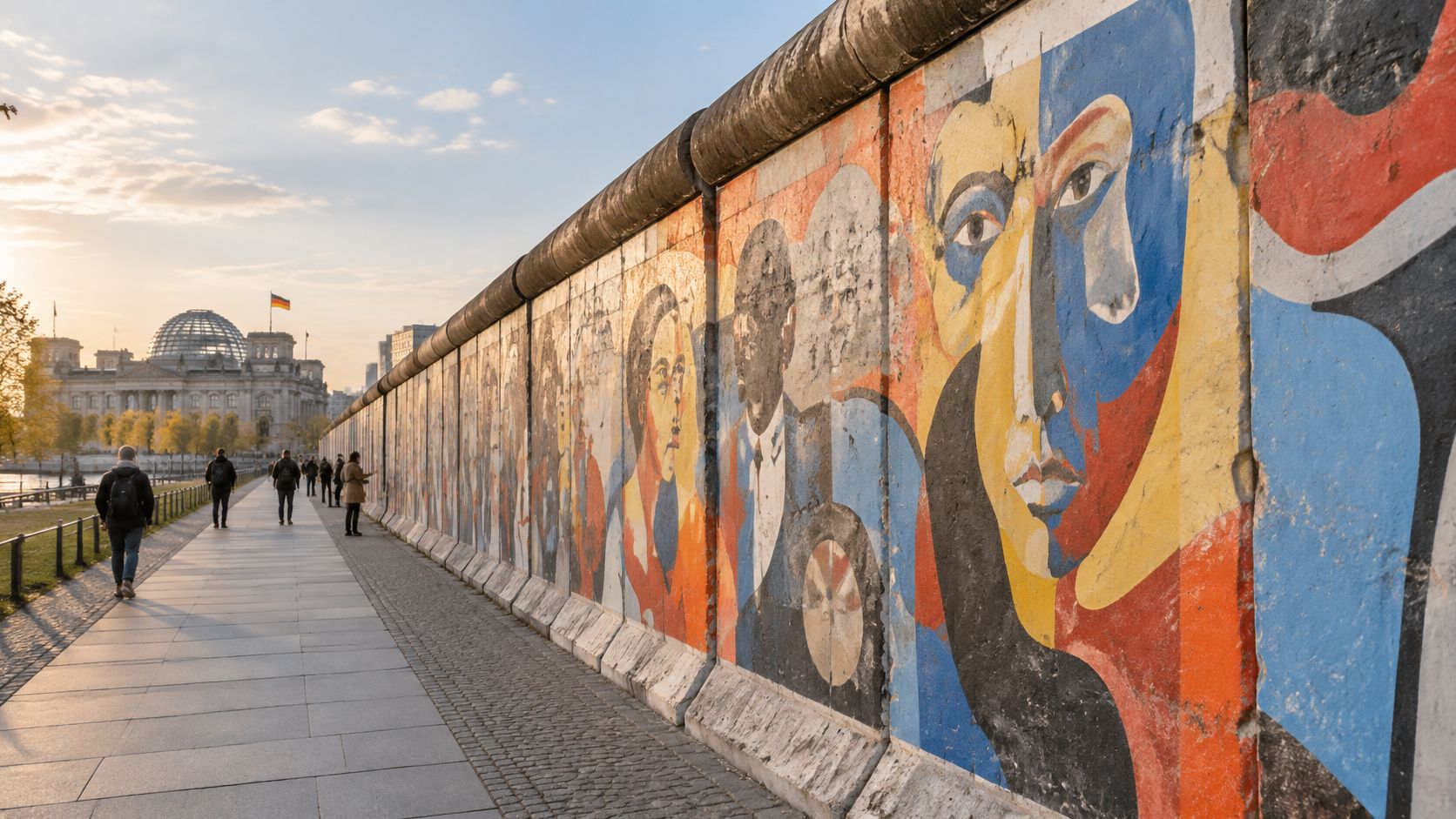
On 9 November 1989, the Berlin Wall began to fall. German reunification followed on 3 October 1990, as detailed in Britannica's history of German reunification. For visitors, those dates explain why Berlin's streets, memorials, and former border areas carry such distinct histories.
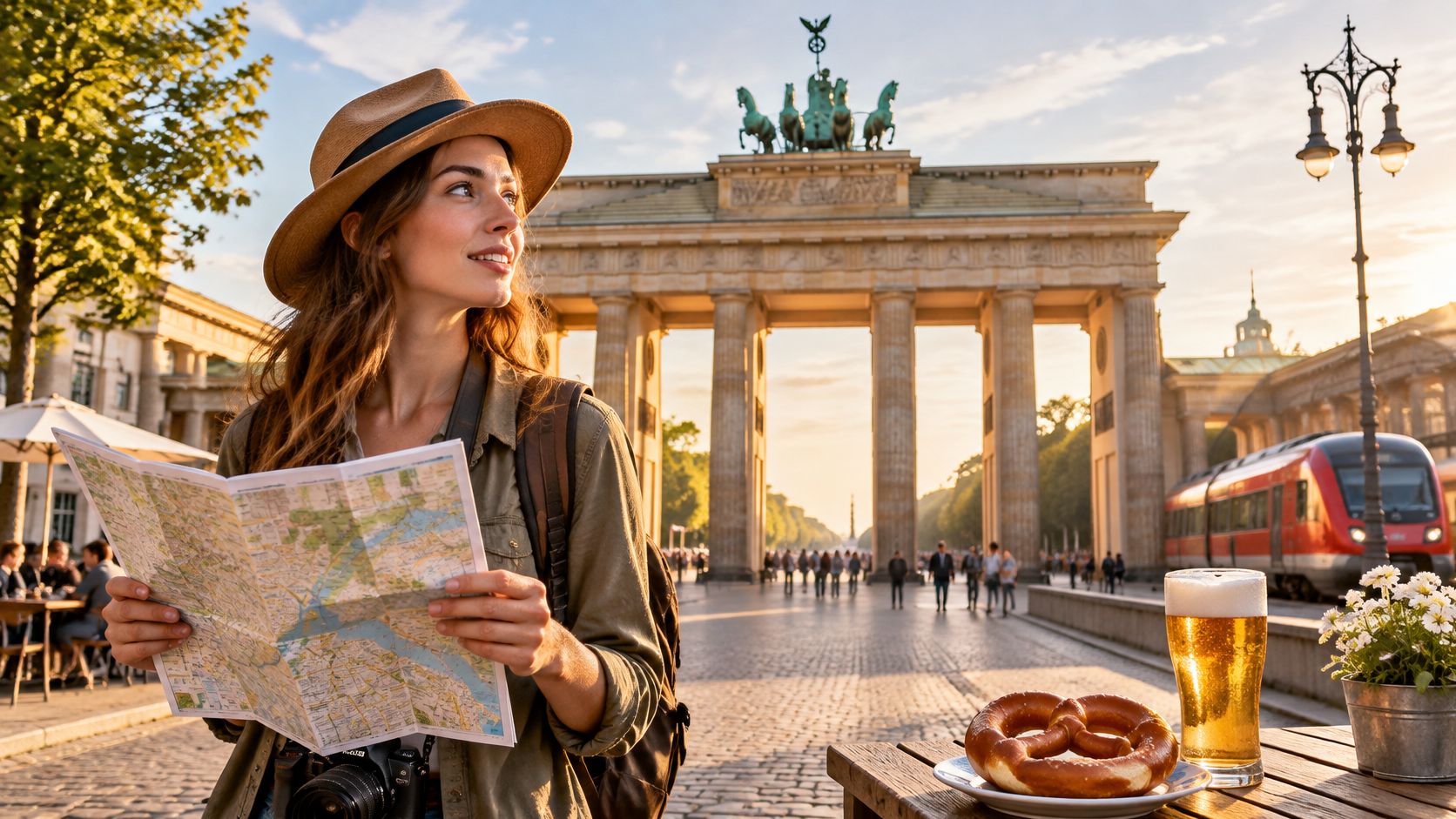
The East Side Gallery and Checkpoint Charlie offer different points of entry to that story. Neither captures the full experience of a city once divided by a border.
Give the history enough attention
Allow at least two hours at the Berlin Wall Memorial on Bernauer Straße before making a dinner booking. Reading the displays, listening to a guide, and leaving room for questions take more time than a quick photo stop.
A historical walk works well as a daytime plan, with the evening kept for a separate activity. A preserved border site is a place to understand people's lives, not a backdrop for group photographs.
A guided history visit can help distinguish the Wall's physical remains from later memorial interpretation. Check current access arrangements directly if your group has a fixed reservation afterward.
6. Parts of the Autobahn Have No General Speed Limit
Germany's Autobahn reputation needs a qualification: some sections lack a general speed limit, but many stretches have posted restrictions. The absence of a general limit doesn't remove a driver's responsibility to respond to traffic, weather, visibility, and road conditions.
For visitors driving from Amsterdam, the useful planning fact isn't the possibility of travelling fast. It's that a motorway journey still needs realistic timing, careful attention, and a driver who's fit for the entire route.
Build a travel plan, not a speed challenge
Navigation estimates shouldn't become promises to the rest of the group. Roadworks, congestion, stops, parking, and the final approach to accommodation all affect arrival, even when much of the route uses motorways.
A stag or hen group, for example, should settle the driving arrangement before planning drinks. A driver who joins a late night out can't be assumed ready for an early return journey.
- Read changing signs. Posted and electronic restrictions take priority over assumptions about unrestricted driving.
- Check the rental agreement. Cross-border permission, insurance conditions, and breakdown procedures need confirming before departure.
- Research parking beforehand. The cheapest accommodation may be less convenient once parking and onward travel are considered.
For groups whose main aim is nightlife, rail or a professionally operated group bus may remove the need to nominate a driver. The comparison should include luggage, transfers, and the journey after arrival, not just the headline ticket or rental cost.
7. Germany's Christmas Markets Have Deep Historical Roots
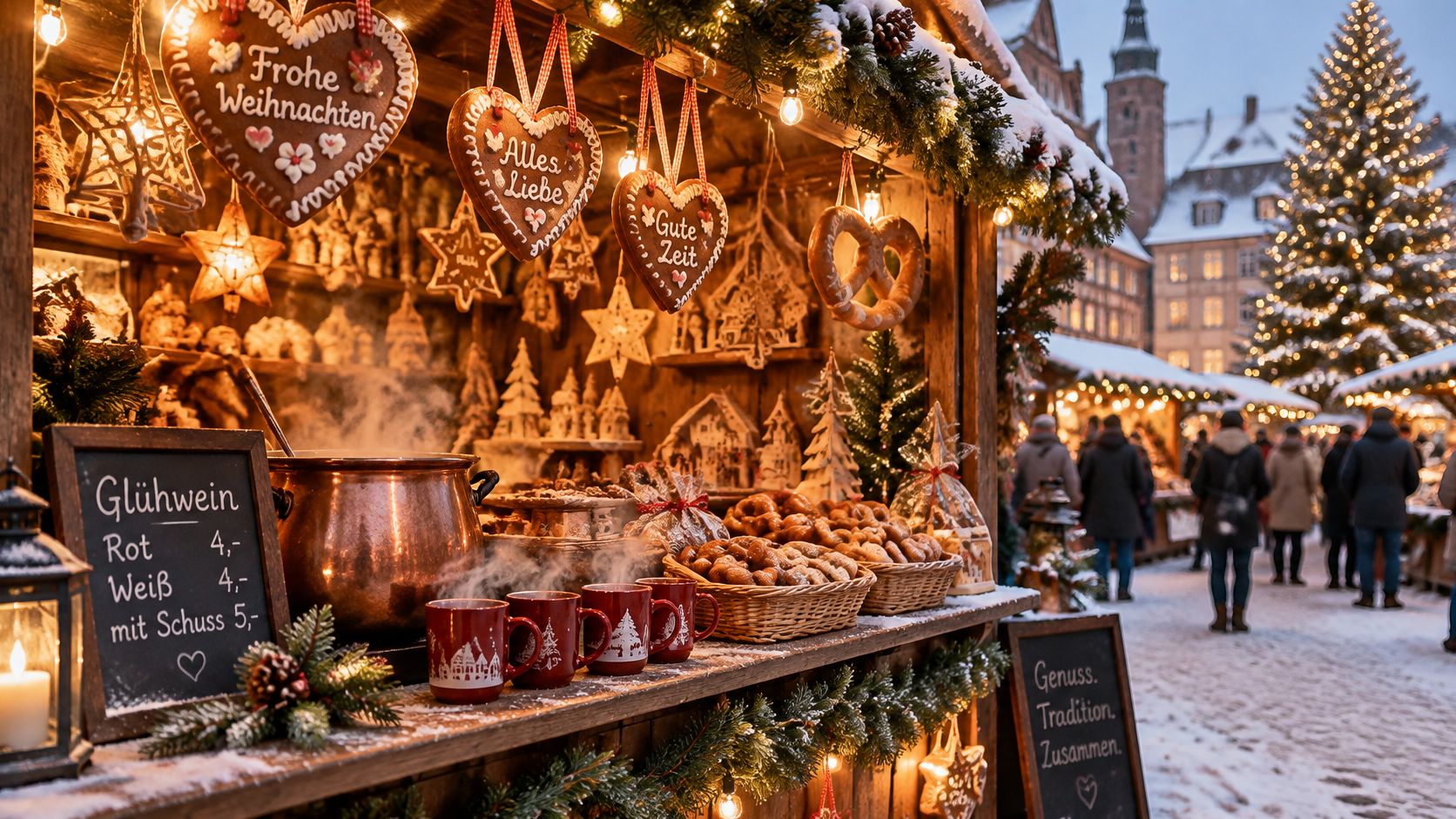
German Christmas markets, or Weihnachtsmärkte, turn a winter city break into an outdoor eating, browsing, and meeting experience. Historic markets such as Dresden's Striezelmarkt belong to a tradition stretching back centuries.
The appeal is concrete: warm Glühwein, gingerbread, seasonal food, and stalls selling decorations and gifts. Cologne, Nuremberg, Munich, and Dresden offer recognisable starting points, but the right choice depends on the journey and the atmosphere the group wants.
Treat the market as an outdoor activity
Warm layers, weather-resistant shoes, and somewhere indoors for a proper meal matter more than an ambitious stall-by-stall itinerary. Travellers should confirm the particular market's dates rather than assuming it runs throughout the festive period.
A couple based in Amsterdam might compare a German market break with exploring Amsterdam's markets before deciding whether the extra travel suits the trip. A nearby German destination may work as an excursion, while a more distant city deserves an overnight stay.
- Check the mug arrangement. Ask whether a deposit applies and where the cup can be returned.
- Plan for different drink preferences. Non-drinkers shouldn't have to organise the group's entire evening around mulled wine.
- Choose a precise meeting point. A named entrance or landmark is easier to find than a busy food stall.
A weekday afternoon may suit travellers who prefer browsing to a crowded evening atmosphere. It's a planning preference, not a promise of quiet.
8. Germany Is the European Union's Most Populous Country
Germany is the European Union's most populous member state, with approximately 83.5 million residents in 2024, according to Destatis's Germany country profile. For visitors, that scale means a wide choice of cities, each with its own mix of culture, food, transport connections, and nightlife.
Choose depth over a crowded route
Berlin, Munich, and a Rhine-side stop can look like a tempting short-break itinerary. In practice, long journeys between them can turn sightseeing into a luggage-transfer exercise. For a two-night stay, pick one base city rather than three.
Start with the reason for the trip, then choose a neighbourhood that puts daytime plans, dinner, and evening activities within a manageable distance:
- History and music: Choose a base where the sights and the evening programme you want are both easy to reach.
- Beer and regional food: Allow time for a seated meal instead of trying to fit in a tasting at every stop.
- A social weekend: Prioritise a neighbourhood with straightforward transport back to your accommodation.
Compare rail passes with individual tickets against your actual route. Check eligibility, train coverage, reservation requirements, and the cost of the journeys you plan to make before choosing.
9. Berlin's Nightlife Can Extend Far Beyond a Conventional Evening
Berlin's reputation for long club sessions attracts visitors interested in techno, house, and alternative music. It doesn't mean every venue operates continuously, every event follows the same hours, or every visitor will be admitted.
The city also draws substantial international tourism: Berlin recorded 12.1 million international overnight stays in 2025, according to the German National Tourist Board's tourism figures. That measures accommodation nights, not club attendance, but it's useful context for a city receiving many international visitors.
Pick the music before the famous doorway
An evening built around an artist or musical style usually gives the group a clearer purpose than queuing somewhere because the name is recognisable. Current event listings, ticket conditions, door policies, and photography rules should shape the plan.
A group of friends could choose a preferred event, agree on an alternative, and decide how to split up if tastes differ. Staying together shouldn't require everyone to enjoy the same music or remain out equally late.
Group-planning rule: A ticket, suitable outfit, or confident arrival shouldn't be treated as a guarantee of admission unless the venue explicitly confirms it.
For visitors comparing destinations, Ultimate Party Amsterdam's guide to Amsterdam nightlife areas helps explain how choosing a district can shape an evening. In either city, matching the setting to the group matters more than chasing a reputation.
Food, charged phones, and a realistic route back belong in the nightlife plan too.
10. Long German Words Often Become Clearer When Split Apart
German compound words join smaller words into a larger term. That can make signs and menus look intimidating, but recognising the components often reveals more than trying to translate the whole word at once.
Bahnhof, meaning railway station, combines Bahn and Hof. Travellers don't need to analyse every word perfectly to benefit from noticing familiar building blocks.
Decode the part that matters
On a menu, Bier points towards beer and Wein towards wine. Around a city, Haus means house or building, while Platz commonly identifies a square or place.
For example, a visitor meeting friends at Hauptbahnhof can recognise Bahnhof and understand that the destination is the main railway station. The next task is finding the agreed entrance, not mastering the grammar before leaving the hotel.
- Save the original name. Transport searches and map results are easier when the exact station or venue name is available.
- Use camera translation carefully. It's useful for getting the gist, but important ingredients and allergy questions need direct confirmation.
- Learn polite basics. Bitte and danke help make an ordinary interaction more courteous without pretending fluency.
A shared group message should contain the full destination name and a map pin rather than an improvised English translation. Similar-looking station names and multiple entrances can otherwise create avoidable confusion.
Recognising a handful of components won't make travellers fluent. It will make menus, meeting points, and departure boards feel less unfamiliar, which is often all a short trip needs.
How the 10 facts compare for visitors
Use this table to match each fact to the kind of stop it can help you plan. The section names below mirror the article headings.
| Item | Main Location | Best For | Key Consideration |
|---|---|---|---|
| Bavaria's Beer Purity Tradition Helps Explain the Menu | Bavaria, Germany | Understanding traditional German beer styles | A brewing tradition, not a single recipe followed by every beer |
| Germany's Brewery Culture Is Strongly Regional | Across Germany | Exploring regional beers and smaller breweries | Local beers may be hard to find outside their region |
| Oktoberfest Started With a Royal Wedding | Munich, Germany | Experiencing a major traditional festival | Book accommodation early; crowds and prices rise |
| Germany Is Made Up of Federal States With Distinct Identities | Across Germany | Discovering distinct regional cultures | Local customs and public holidays vary by state |
| The Berlin Wall's Opening Changed Germany | Berlin, Germany | Exploring modern German history | Sites can be crowded, and the history may feel emotionally heavy |
| Parts of the Autobahn Have No General Speed Limit | Across Germany | Long-distance road travel | Many sections have posted speed limits; check signs carefully |
| Germany's Christmas Markets Have Deep Historical Roots | Cities and towns across Germany | Seasonal food, drinks, and festive atmosphere | Markets can be crowded and cold |
| Germany Is the European Union's Most Populous Country | Across Germany | City-hopping and urban travel | Popular cities can be busy and costly |
| Berlin's Nightlife Can Extend Far Beyond a Conventional Evening | Berlin, Germany | Techno, clubs, and late-night music | Entry policies can be selective and unpredictable |
| Long German Words Often Become Clearer When Split Apart | German-speaking regions | Decoding signs, menus, and vocabulary | Long words can be difficult to read quickly |
Turning German Facts Into a Smarter Trip
A German weekend can turn on small choices: where you stay, how you get back after an evening out, and which plans matter most to your group. Use the country's regional character to choose a trip that fits, rather than trying to see everything at once.
Start with the people going. Friends after a beer-hall dinner and conversation may want a different evening from music fans heading to a club. Set the destination, budget, preferred evening, and return journey before bookings become difficult to change.
A cheap ticket can be a poor fit if it means a difficult transfer after a late night. A hotel far from the evening's main event can add unnecessary travel, so check the route as well as the room.
Match the plan to the people
- Check regional dates. Public holidays and festival calendars can affect what is open and how busy a weekend feels.
- Book around the main event. Choose accommodation and transport to suit the festival, concert, or celebration that brought the group to Germany.
- Keep a workable alternative. If a restaurant is full, a train changes, or a club queue stalls, have another option ready.
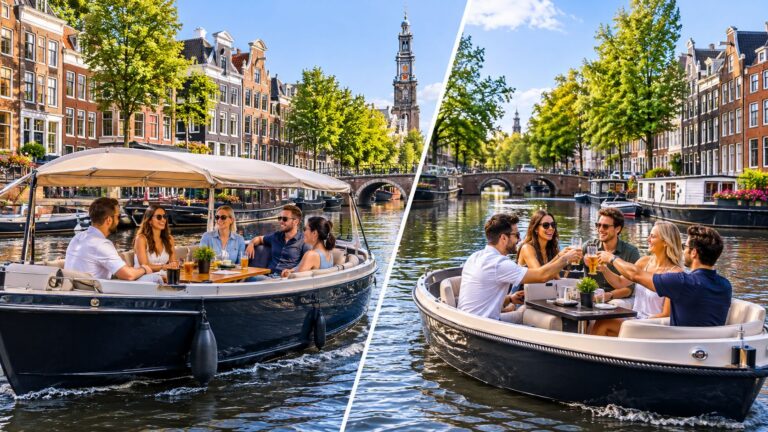
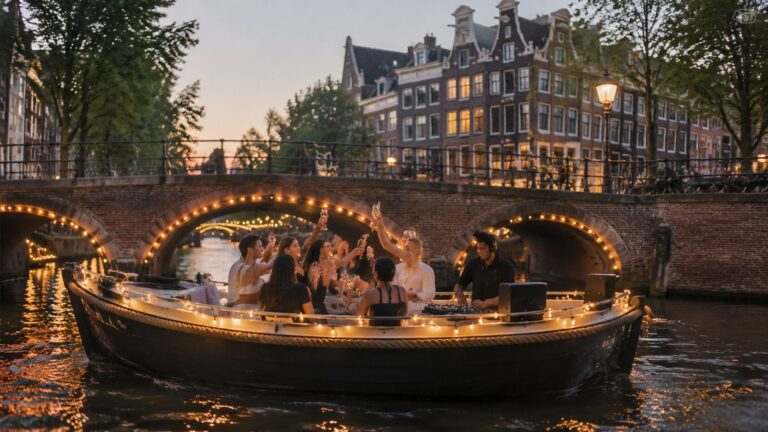
If your trip also includes Amsterdam, a hosted activity can make planning an evening simpler. Ultimate Party Amsterdam offers guided pub crawls and canal booze cruises, with group options for visitors who want a shared night out.
A pub crawl brings the group together on a guided route. A canal cruise offers time together on the water. Check the current format, inclusions, departure details, and booking terms before choosing.
Leave room to enjoy the destination
For travellers extending their holiday beyond Germany, the Dubai itinerary builder can help shape an additional stay around personal interests and travel arrangements.
In Germany, leave time for the experience that drew you there: dinner at a beer hall, a historical walk, or a Christmas market visit with a break to warm up. Book the return train before the Saturday beer-hall dinner, not after.
Ultimate Party Amsterdam offers guided pub crawls and canal booze cruises for travellers adding an Amsterdam evening to a German trip. Visit Ultimate Party Amsterdam to compare the current experiences, check schedules and booking terms, and choose an option that fits the group's plans.
🍻
Experience it Yourself
Skip the planning — join Amsterdam's biggest pub crawl and get 6 bars, free drinks and VIP club entry for €20.