A Saturday night in Amsterdam can look simple from the street and messy in practice. A group steps out of Centraal Station at 7 p.m., canal boats drift past in the dark, the first queues are already forming near Leidseplein, and someone in the group wants dinner, someone else wants drinks, and nobody has a plan that fits the city's rules or its layout.
That is why a Amsterdam guided tour still makes sense here. The city rewards people who know where the nightlife clusters, how late venues run, which canal routes are realistic, and what can legally happen inside a group format. A good hosted experience removes the friction, it gives the group a meeting point, a route, and venues that can handle a crowd without wasting half the evening on guesswork.
Table of Contents
- Saturday Night in Amsterdam and Why Guided Tours Exist
- The Main Types of Guided Tours in Amsterdam
- Matching the Format to the Traveler
- Amsterdam Rules That Shape Every Guided Tour
- Sample Itineraries for Two Common Trip Styles
- Booking, Safety and What to Check Before You Pay
- How Ultimate Party Amsterdam Fits the Nightlife Format
- Planning Mistakes and How to Avoid Them
Saturday Night in Amsterdam and Why Guided Tours Exist
Amsterdam is not a city where every evening works the same way. A casual walker can drift from one pretty canal to another, but a group that wants to eat, drink, and end up somewhere lively needs sharper decisions about timing and geography. The nightlife market is concentrated enough that hosted formats work, especially when the goal is to move efficiently instead of improvising all night.
The city's nightlife research makes that scale obvious. Amsterdam estimates 1.5 million foreign visitors come specifically for nightlife each year, more than 3 million unique visitors from outside Amsterdam visit the nightlife scene, and those visitors spend about €1.25 billion annually during their stay, with a prosperity gain of €63 million for the city and roughly €49 million in state tax revenue from night culture (Amsterdam night-time economy research). That is a serious market, not a niche add-on.
Practical rule: if a group's main goal is to socialise, celebrate, or move between venues quickly, a hosted route usually works better than trying to build the night on the fly.
The other reason tours exist is simple logistics. Amsterdam's center is compact, but the social energy is not evenly distributed. Venues cluster, queues appear early, and late-night routes need someone who knows what is open, what is practical, and what is worth skipping. A guided tour in this city solves the planning bottleneck by fixing the meetup point, the route, and the pacing before anyone leaves their hotel.
The Main Types of Guided Tours in Amsterdam
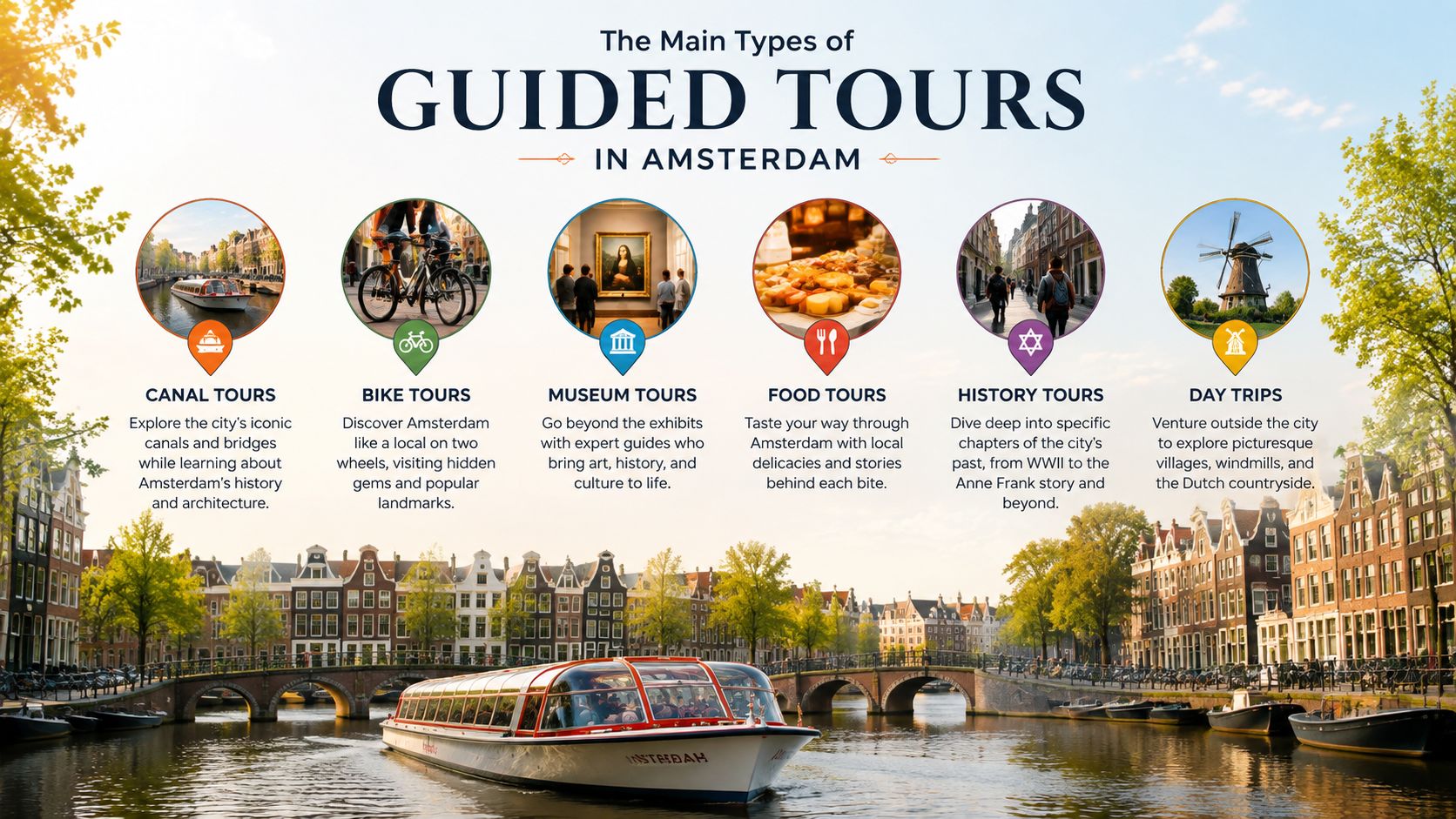
Four formats fit Amsterdam well. Each one behaves differently, and the right choice depends on what the group wants from the day or night, not just on whether the word “tour” sounds attractive.
Walking tours
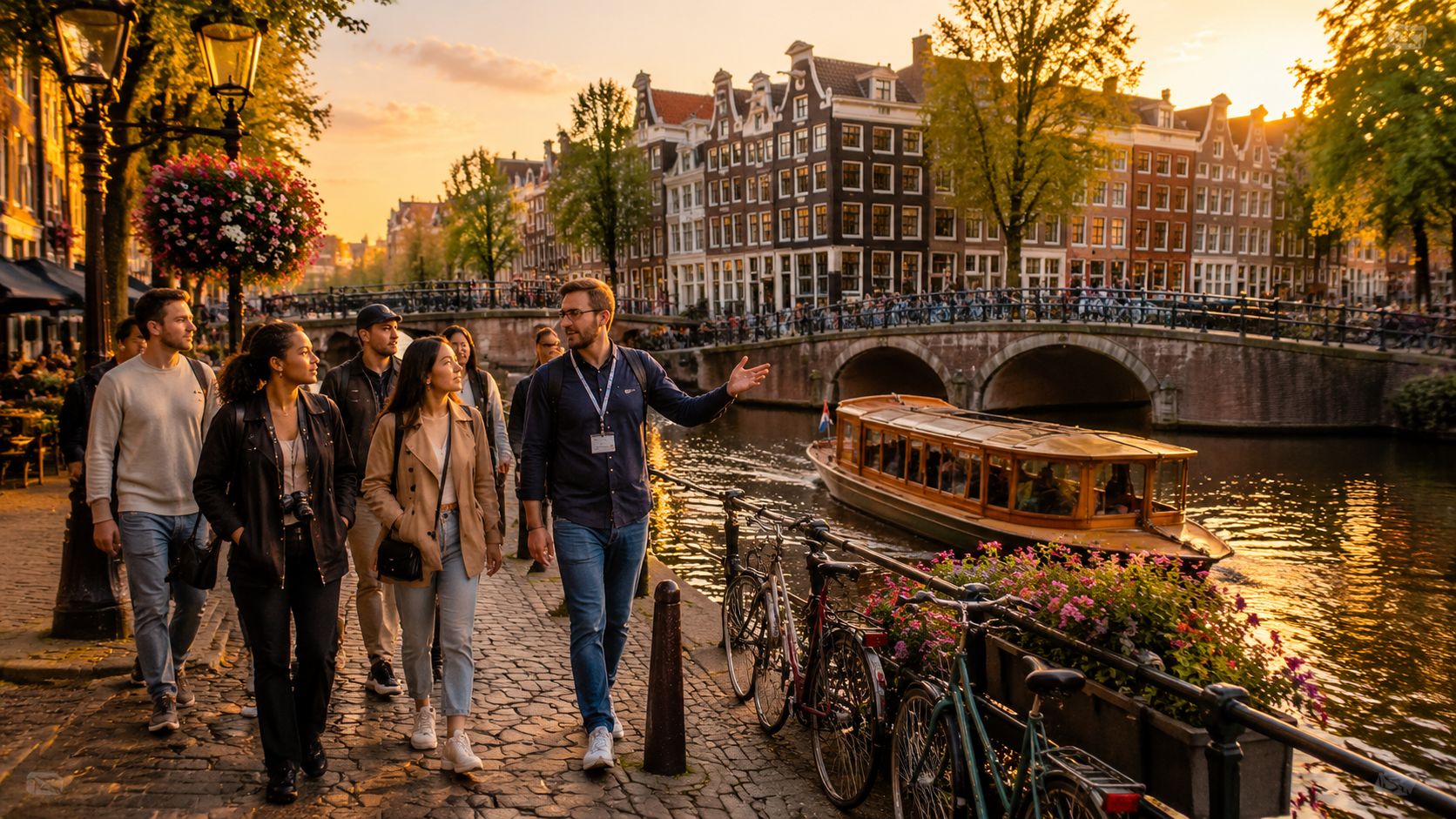
Walking tours are the cleanest way to absorb the city's history, especially in the Jordaan, around the canal belt, and near the Red Light District's older streets. They work best when the group wants context, storytelling, and a slow pace. The trade-off is obvious, they depend on weather, footwear, and mobility, so they're better for visitors who want to notice details than for groups trying to cover a lot of ground quickly.
Bike tours
Bike tours fit Amsterdam because the city is built for cycling and the distances between highlights are manageable. They usually suit active travelers who want more range than a walk can give them, and they can work as city rides or countryside escapes. For groups considering that format, the practical variable is comfort, not just fitness. Anyone unsure about the pace can compare options through a bike rental in Amsterdam before committing to a full guided ride.
Canal cruises
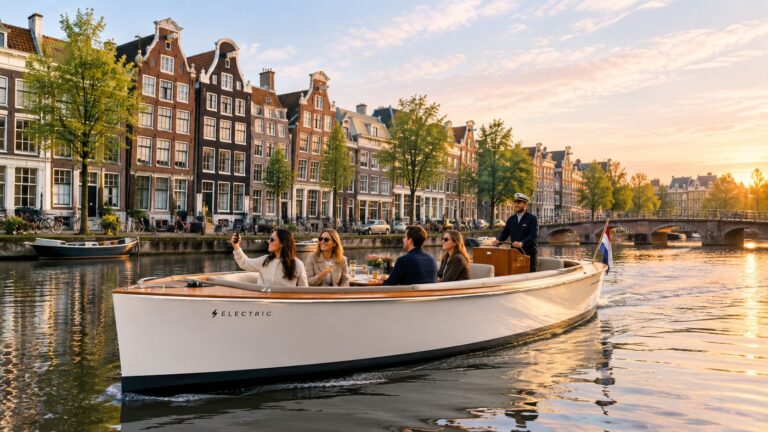
Canal cruises are the most efficient way to see Amsterdam's waterways without fighting street traffic. The city's canal ring began in 1613, the main canal-ring works were largely completed in the 1660s, and the 17th-century Canal Ring Area was inscribed as a UNESCO World Heritage Site in 2010 (canal history reference). In practical terms, the canals are not a side attraction, they are part of the city's identity. Since 2025, central-zone pleasure craft must be emissions-free, so electric, hydrogen, or manual propulsion is the relevant standard in the centre (2025 canal vessel rules).
Nightlife-led tours
Pub crawls, bar hops, and booze cruises are built for groups that want a social night rather than a sightseeing night. These formats work because Amsterdam's bars and cafés in the centre typically close between 01:00 and 03:00, while nightclubs often go later, with weekend closing times commonly around 04:00 to 06:00 and some 24-hour venues extending into the next morning. That late rhythm is why a hosted nightlife route feels natural here.
A hybrid format can make sense for groups that want both water time and venue time, but it only works when the route and timing are matched to the city's rules.
Matching the Format to the Traveler
The right Amsterdam guided tour depends on what the group wants from the day or night. First-time visitors usually need orientation, active travelers want to cover more ground, couples may prefer a slower pace, solo travelers often value easy social contact, and celebration groups need a format that keeps everyone together without creating a logistics problem.
Walking offers the strongest historical context and suits visitors who want to stay in the centre on foot. It becomes tiring for people with limited mobility or little tolerance for poor weather. A bike tour reaches more neighbourhoods and works well for active groups, especially when paired with bike rental in Amsterdam, but rain can quickly make it a poor choice for a drinks-focused evening. Canal cruises are scenic and low-effort, although their relaxed pace may not suit groups whose main aim is nightlife. Nightlife-led tours create the easiest social contact, while offering less cultural depth and a later finish.
| Amsterdam guided tour formats compared | Duration | Group size | Effort | Best for |
|---|---|---|---|---|
| Walking | Short to moderate | Small to medium | Low to moderate | First-time visitors, history-focused travelers |
| Bike | Moderate | Small to medium | Moderate | Active travelers, people who want range |
| Canal cruise | Short | Small to medium | Low | Couples, relaxed groups, scenic evenings |
| Nightlife-led tour | Moderate to late | Small to large | Low to moderate | Solo travelers, groups celebrating, social nights |
Group size affects the experience as much as the route. Small groups can stop, listen, and change pace more easily. Larger groups create stronger shared energy, but they need clearer meeting points and tighter timing.
Use a simple decision rule. Learn on foot. Cover ground by bike. Relax on the water. Celebrate with a nightlife route. Price alone is a poor guide, because the wrong format usually costs time, energy, and patience.
Amsterdam Rules That Shape Every Guided Tour
Amsterdam does not leave guided tours to chance, and that changes what operators can realistically run. In the centre, guided tour groups are capped at 15 people, they must run between 8:00 and 22:00, they cannot pass prostitution windows, they cannot use amplification, and they cannot include alcohol consumption during the tour (city rules flyer). Those are not small details, they shape route design, group size, and timing.
The canal side has its own constraints. In central waters, pleasure craft now need to be emissions-free, which means operators planning boat-based nightlife experiences need the right vessel type, not just a nice route. The city also regulates alcohol and conduct on the water, so the skipper's sobriety matters, and disorderly behavior can draw attention and fines (boating rules). For a nightlife cruise, that changes the whole operational model.
A citywide tourism cap also matters indirectly. Amsterdam's own tourism statistics show overnight stays above 22 million, well over the city's 20 million limit, which helps explain why bundle-style guided products are so operationally useful in a capacity-constrained market (overnight-stays reference). When demand is high and rules are tight, the operator's job is no longer just entertainment, it is compliance plus flow control.
| Amsterdam Tour Rules at a Glance | Affects | Practical Effect |
|---|---|---|
| Group cap of 15 in the centre | Walking tours | Smaller, more controlled groups |
| Tour window of 8:00 to 22:00 | Guided walking formats | Late-night walking tours are limited |
| No passing prostitution windows | Red Light District routes | Routes need careful planning |
| No amplification | Hosted street tours | Guides need to work without loud sound |
| Electric, hydrogen, or manual propulsion in central canals | Boat tours | Diesel pleasure boats don't fit the central zone |
Sample Itineraries for Two Common Trip Styles
A solo backpacker's night works best when it starts earlier and builds gradually. A Thursday route can begin with an early canal cruise, move into a walking tour through the Jordaan, then break for dinner in De Pijp before a pub crawl meet-up around 21:00. That sequence makes sense because the group can still catch venue flow later, and it avoids wasting the night on transport.
The useful part is the spacing between stops. Walking time matters more than many visitors expect, especially when dinner plans need to finish before kitchens close and the nightlife portion needs a clean handoff. A routed evening is more forgiving than a free-form plan because the guide already knows where the group needs to be when the bars get busy.
A hen group's Saturday
A hen group usually needs less theory and more structure. A strong Saturday format can begin with a private boat from 19:00, then shift into a hosted pub crawl route with reserved tables before ending later in Rembrandtplein. That works because the water portion gives the group a shared start, and the bar route keeps the energy moving without losing people between venues.
The late finish matters because licensed clubs in Amsterdam often keep going to around 04:00 or later on weekends, so a serious celebration group should not book as if the night ends at midnight. The best version of this plan keeps the boat route and the club finale close enough to avoid unnecessary transfers.
Booking, Safety and What to Check Before You Pay
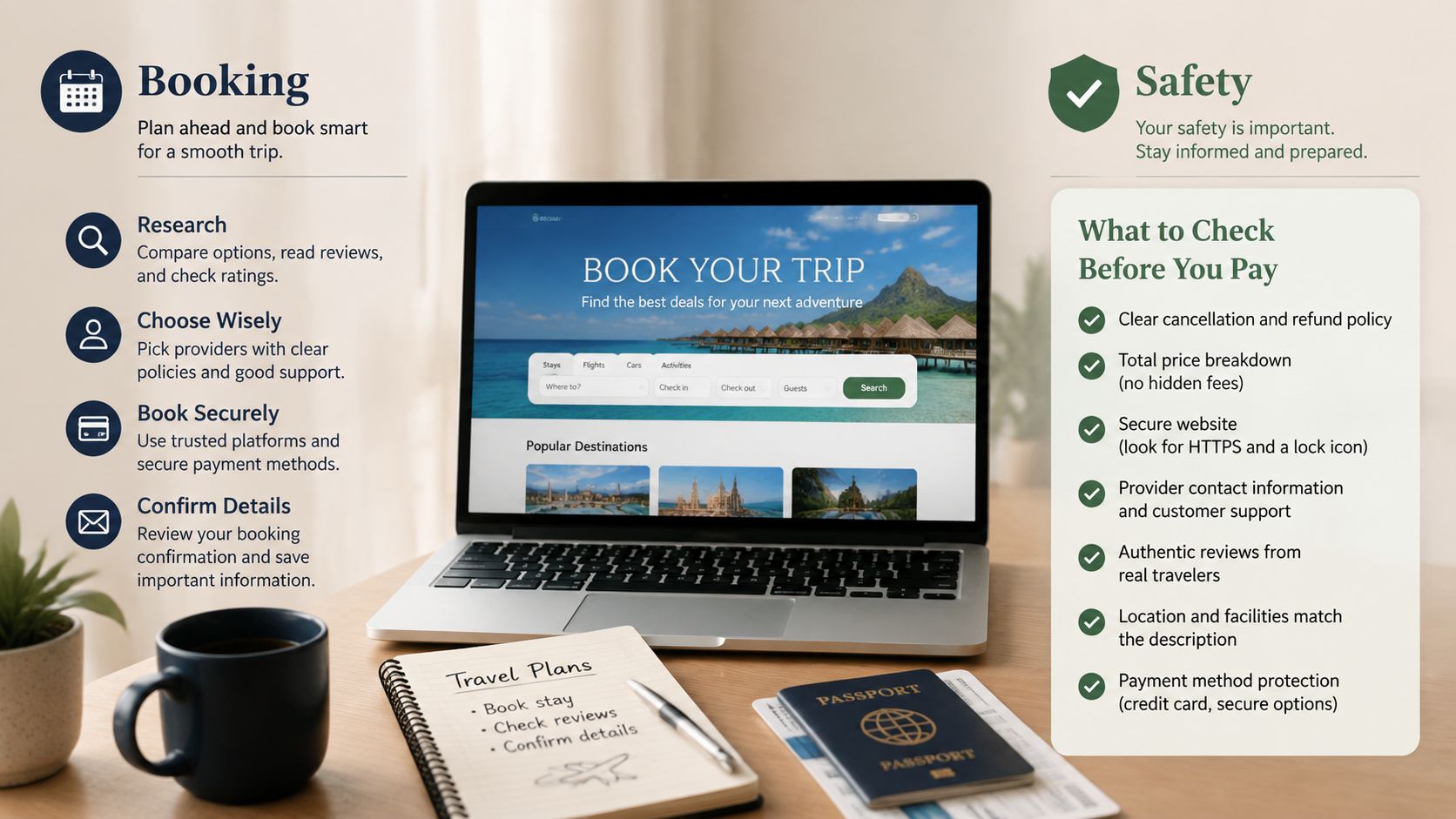
The first booking mistake is assuming the price covers the same things across every format. A pub crawl may include drinks, entry, queue skipping, or just the guide, and a canal booking may be a shared boat or a private charter. Those are not interchangeable products, so the checkout page needs a close read before any deposit changes hands.
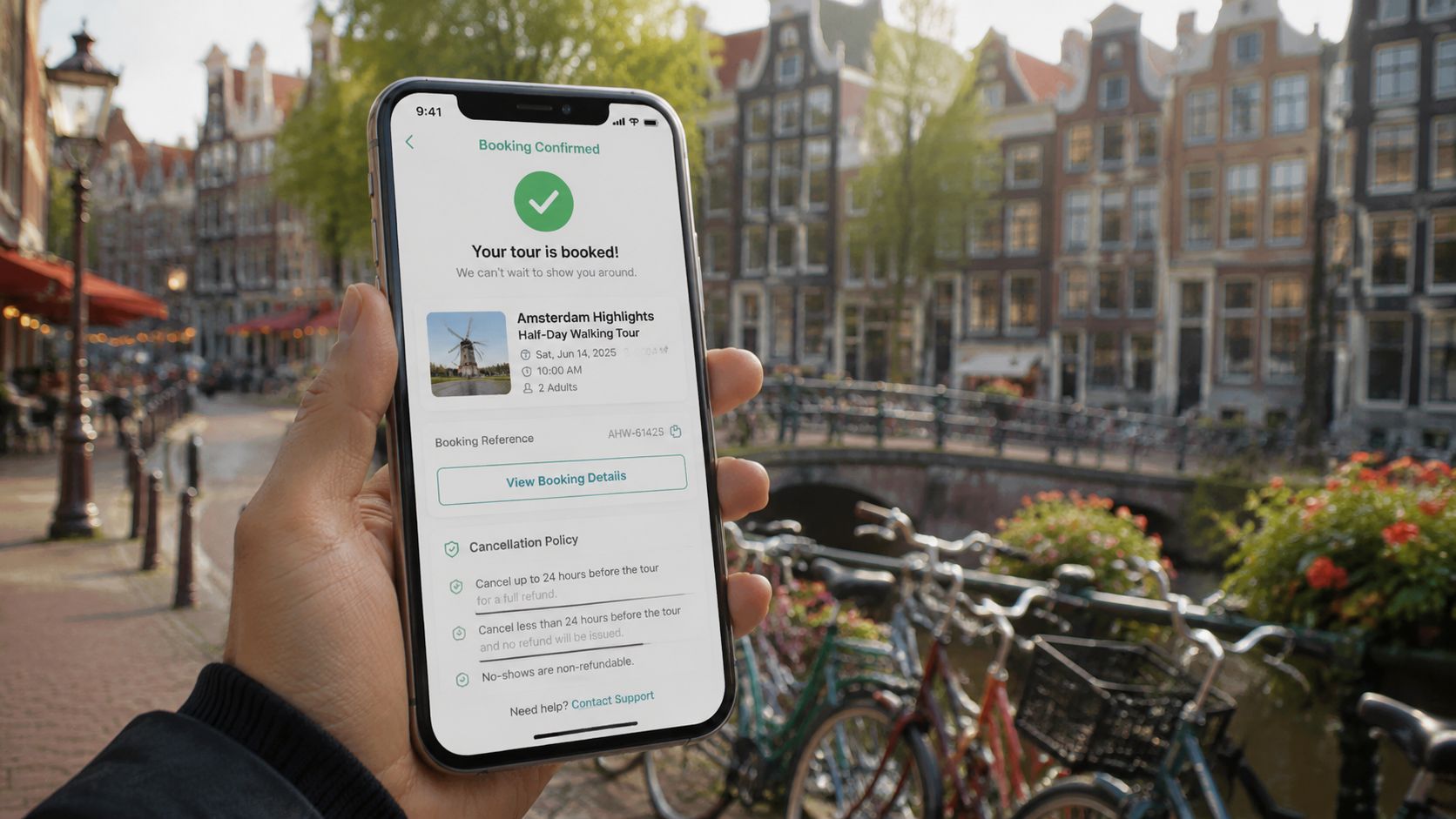
The second issue is where and how the group meets. Centraal Station and Leidseplein are common meetup areas because they're easy to find, but that only helps if the booking confirms the exact point, the start time, and how the host identifies the group. For night routes, ID matters too. Alcohol service is adult-only on many canal experiences, with age checks and non-alcoholic substitutes for minors where applicable (age rule reference).
Check one variable at a time, group size, time of day, cancellation terms, then the vessel or venue type. That avoids most of the expensive mistakes.
Safety is mostly about basic discipline. Stay with the group after drinking, keep an eye on bags around Damrak and busy queues, and don't treat the street like part of the venue. For a broader overview of practical precautions, a separate Amsterdam safety guide is worth reading before a late booking.
How Ultimate Party Amsterdam Fits the Nightlife Format
Ultimate Party Amsterdam fits best where the trip goal is social, late-running, and group-based. The hosted formats are designed around Amsterdam's nightlife geography, so they make sense for visitors who want a structured evening in the centre rather than a generic sightseeing walk. The practical logic is simple, a nightlife route should work with the city's late venues and its limits on group size and timing.
The service menu is built around that use case. The nightly pub crawl covers four to five bars plus a club entry, the open-bar starter runs for two hours, and the shared or private booze cruise is a one-hour boat format on an electric vessel with a covered cabin. For a group that wants to see how the water and venue formats can connect, the shared booze cruise option is the clearest example.
| Ultimate Party Amsterdam Services Compared | Typical Duration | Group Cap | Best For |
|---|---|---|---|
| Nightly pub crawl | Evening | Hosted group format | Friends, solo travelers, celebration groups |
| All-you-can-drink open-bar starter | 2 hours | Hosted group format | Groups that want a strong pre-game |
| Shared or private booze cruise | 1 hour | Boat capacity dependent | Private groups, mixed social groups |
The concierge side matters too, because it helps shape private arrangements without pushing groups into formats that clash with Amsterdam's rules. That includes pre-screening groups, keeping routes inside licensed venues, and choosing boats that fit the central canal requirements. In other words, the value is not hype, it is making a nightlife plan that survives Amsterdam's operating rules.
Planning Mistakes and How to Avoid Them
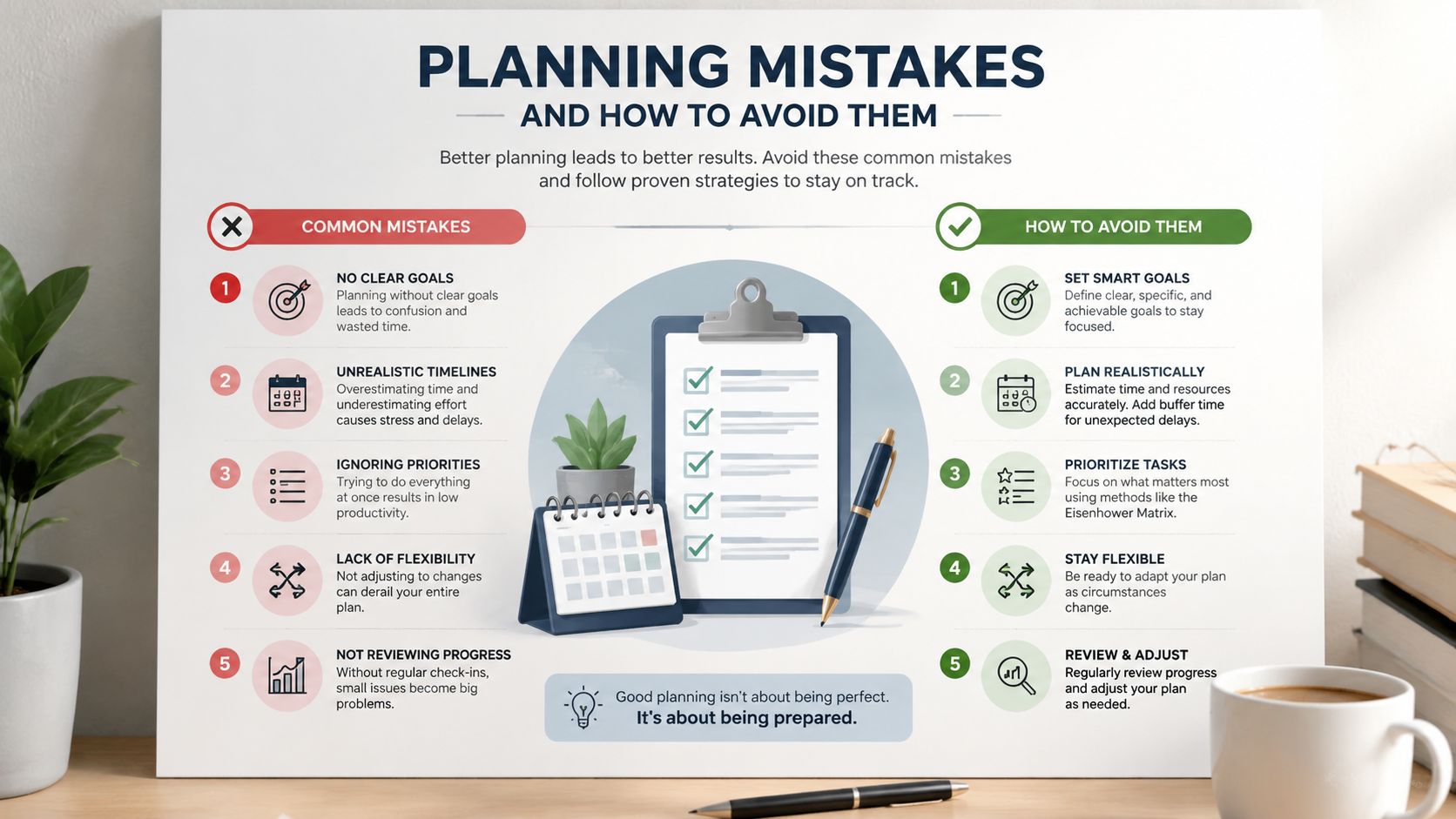
The biggest mistake is treating every Amsterdam guided tour like daytime sightseeing. A group books something that looks flexible online, then discovers too late that the route ends before the night really starts, or that the venue side of the plan only works within limited hours. Amsterdam's nightlife rhythm is late, so a plan that ignores that timing usually feels rushed or cut short.
The second mistake is ignoring age checks. Many drinking-focused tours and boats use 18-plus minimums, and the operator can ask for ID. For mixed-age groups, that detail matters before anyone pays, not after the boat is at the dock. Alcohol service is an adult component, not a casual add-on for everyone in the party.
The third mistake is paying a deposit without reading the cancellation policy. That matters most on boat bookings and private group formats, where the operator is holding real capacity rather than a loose seat on a walking route. If the terms are unclear, the booking is not clear enough.
The fourth mistake is getting the departure point wrong. Canal logistics in Amsterdam are more annoying than many first-timers expect, and the wrong pier can turn a simple booking into a stressful sprint across the centre. A group should confirm the vessel type, the meetup point, and the cancellation window before anything is charged.
Ultimate Party Amsterdam helps groups book nightlife in a way that fits Amsterdam's rules, routes, and late-night geography. For a pub crawl, boat party, or private celebration plan that needs real structure, visit Ultimate Party Amsterdam and choose the format that matches the night instead of forcing the night to match the plan.
🍻
Experience it Yourself
Skip the planning — join Amsterdam's biggest pub crawl and get 6 bars, free drinks and VIP club entry for €20.