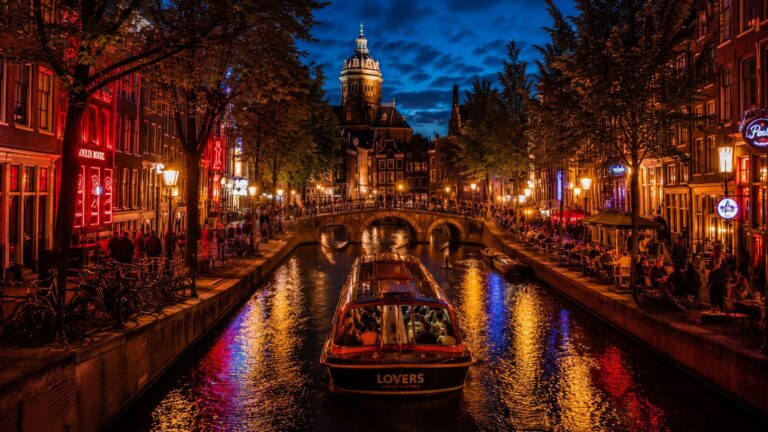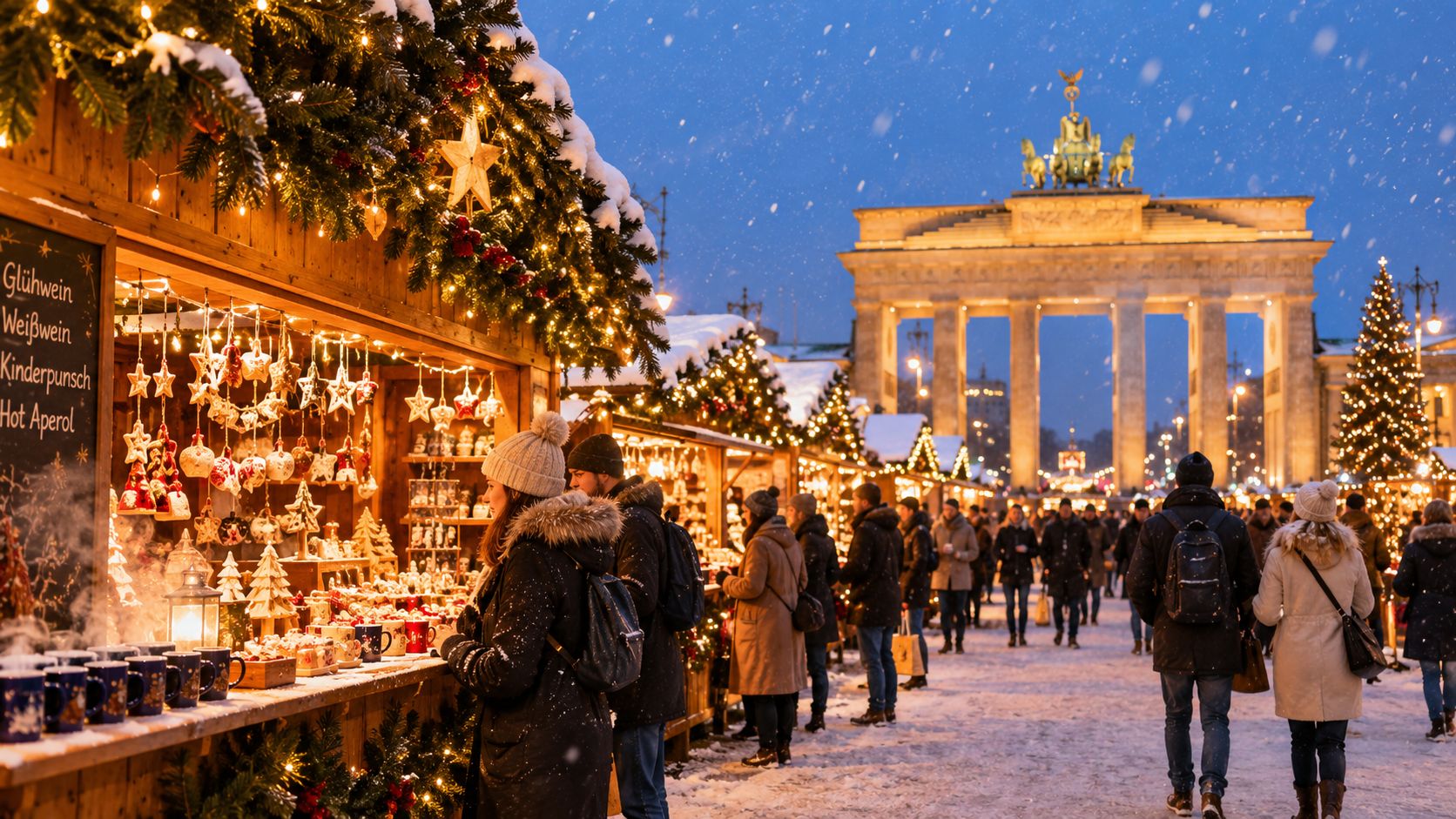
Ultimate Party Amsterdam is an Amsterdam nightlife operator, not a Berlin Christmas market specialist. That matters, because the most useful best christmas markets Berlin guide is the one that stays neutral, verifies market facts through local sources, and avoids pretending a party brand has insider authority in another city. Berlin deserves that kind of treatment, especially when the market scene is broad, crowded, and easy to oversimplify.
The strongest advice on this topic is often the least useful. “Go to the biggest market” sounds tidy, but Berlin's festive season is really a set of different experiences, from historic squares to free neighbourhood markets and ticketed winter gardens. The right choice depends on whether the trip is about atmosphere, location, food, traditions, or avoiding overcrowded places.
That is why this guide stays deliberately separated from Ultimate Party Amsterdam's Amsterdam nightlife services. The brand's real strengths are in Amsterdam, so the Berlin section should be treated as general travel coverage, not a branded authority piece. For actual planning, the safest approach is to compare the markets on verified details first, then choose the one that fits the trip.
Table of Contents
- 1. Summary
- 2. Core Issue
- 3. Key Incompatibilities
- 4. Credibility Problem
- 5. Accuracy Risk
- 6. Conversion Disconnect
- 7. Option A, Generic Berlin Christmas Market Research
- 8. Option B, Amsterdam Christmas Market Content
- 9. Option C, Holiday Group Experiences in Amsterdam
- 10. Next Steps
- 10-Point Comparison: Best Berlin Christmas Markets
- Choose the Angle That Protects Trust
1. Summary
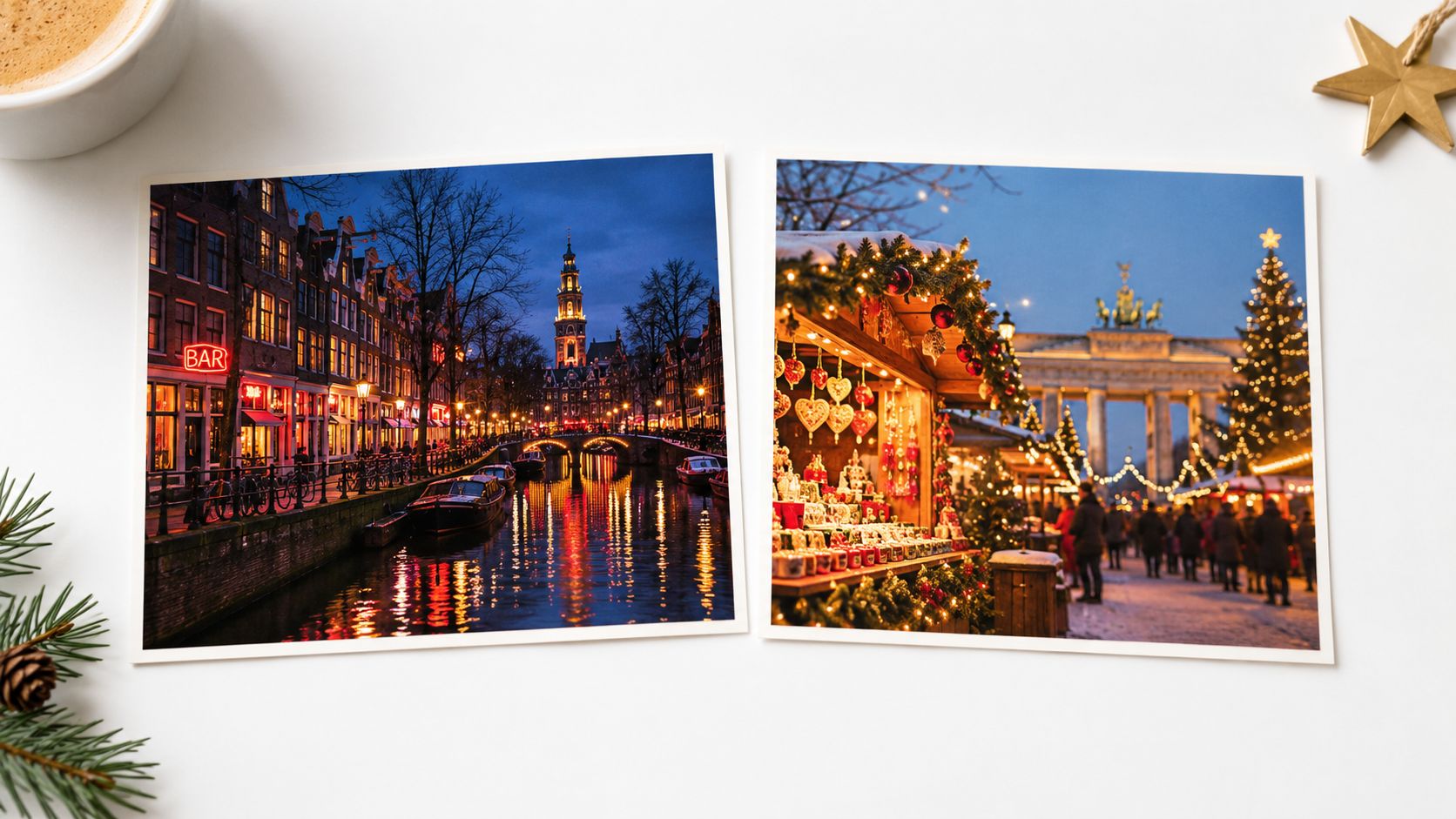
Berlin's Christmas markets are worth comparing for their differences, not just counting. City and tourism sources describe more than 80 Christmas markets each year, while Berlin.de reports over 100 annually. That variation gives visitors room to choose by pace, budget, and interests rather than defaulting to one famous stop.
VisitBerlin lists the 2026 season as scheduled to begin on 22 November 2026 (VisitBerlin Christmas markets in Berlin). Verify dates closer to travel, since schedules remain subject to confirmation.
A useful shortlist separates atmosphere from practical details. Some markets are free, others charge entry, and their appeal varies for families, central sightseeing, traditional customs, food, or a quieter evening. These differences make neutral research more useful than a promotional ranking.
Practical rule: The best market for one traveller may be unsuitable for another, particularly with a fixed budget, limited time, or group plans.
For a fair comparison of 10 markets, check five points: atmosphere, location, attractions, opening schedule, and visitor fit. A central setting may work well alongside sightseeing, while a distinctive local setting may suit travellers giving one evening to the market itself. Check transport, entry conditions, and dates before committing.
Ultimate Party Amsterdam's expertise is tied to Amsterdam nightlife, not Berlin's seasonal market programme. Keeping this coverage independent protects accuracy and lets readers judge which market matches their trip, without treating the brand as a local Berlin authority.
2. Core Issue

The core problem with branding Berlin market coverage through Ultimate Party Amsterdam is simple. Amsterdam nightlife expertise does not automatically transfer to Berlin Christmas markets, because the cities, products, and visitor expectations are different. A pub crawl audience wants social energy and late-night logistics. A Christmas-market reader wants atmosphere, access, food, and seasonal planning.
That mismatch matters for trust. If a piece presents a nightlife company as if it were a Berlin market authority, readers can reasonably wonder what else is being stretched. For travel content, credibility comes from clean boundaries and accurate sourcing, not from forced brand alignment.
3. Key Incompatibilities
Ultimate Party Amsterdam's voice is built around Amsterdam nightlife, hosted social experiences, and group entertainment. That works well for crawls, cruises, and private arrangements in Amsterdam, but it does not naturally map onto Berlin's winter-market scene. A Berlin market article needs a different editorial rhythm, one that talks about squares, opening seasons, entry rules, and how different visitors use the city.
The biggest risk is false confidence. If the text starts sounding authoritative about Berlin market layouts, seasonal access, or venue quality without proper local grounding, it becomes easy to slip into invention. That is especially dangerous in a city with many markets, because even small details can change a reader's plans.
- Brand voice mismatch: A nightlife-heavy tone can feel out of place for a festive travel guide.
- Product mismatch: Amsterdam pub crawls and canal cruises do not naturally belong in a Berlin market story.
- Authority mismatch: Local travel advice needs local verification, especially when a city offers so many seasonal choices.
A better approach is to keep Berlin market coverage clearly generic unless the content is explicitly framed as travel research. That keeps the article honest and avoids pretending the brand has market-specific expertise it does not have.
4. Credibility Problem
Ultimate Party Amsterdam has a clear identity, and that is a strength. It is known for Amsterdam nightlife experiences, not for curating Berlin winter travel. Pulling that brand into a Berlin Christmas-market article can make the publisher look opportunistic rather than informed, even if the underlying recommendations are harmless.
Readers notice when a brand's expertise does not fit the topic. A traveler comparing Berlin Christmas markets wants to know which square feels best after dark, which ones are free, and which ones are worth a special stop. That kind of guidance is strongest when it comes from a neutral travel lens, not from a company whose real offer sits in another city.
A reader trusts a brand more when it stays in its lane.
That doesn't mean the brand can't publish Berlin content at all. It means the content should be labeled as general travel information, with no implied local authority that isn't there. The safest editorial posture is transparency first, promotion later, and only when the product fits the reader's trip.
5. Accuracy Risk
Berlin Christmas-market content carries a real fact-checking burden. There are many markets, they differ by fee structure and style, and the best option depends on the traveler's priorities. Without local expertise, it is easy to blur together the festive, the traditional, and the ticketed, or to repeat stale advice that no longer matches the current season.
The safest route is to use only verified local details and keep the rest qualitative. Berlin's market history is well documented, including the first recorded market in 1530 in Alt-Berlin, the council's formal rules by 1750, and the later move to the Lustgarten in 1873 (Christmas markets in Berlin history). Those facts can add depth, but they should not be stretched into modern claims about which market is “best” unless the current visitor context is also verified.
For planning copy, it helps to stay disciplined.
- State what is known: Use verified opening-season facts and admission rules when available.
- Avoid guessing: Don't fill gaps with invented crowd estimates or personal authority.
- Keep comparisons qualitative: Focus on atmosphere, location, and visitor fit when exact numbers are unavailable.
That approach protects both the article and the brand. It also keeps the content useful for readers who are trying to decide between different Berlin experiences, not just looking for a list of famous names.
6. Conversion Disconnect
A Berlin Christmas-market article does not naturally convert into Amsterdam nightlife bookings. That is the central problem. A reader planning a winter visit to Berlin is likely looking for festive walks, food stalls, or seasonal sightseeing, not a last-minute push toward an Amsterdam pub crawl or canal cruise.
The disconnect shows up most clearly in the call to action. If the page starts with Berlin markets and ends by selling a nightlife package in Amsterdam, the transition feels forced. It can also create confusion for international visitors who may be comparing cities, not planning a single destination trip.
Best practice: Match the call to action to the actual trip intent, or leave it out.
That does not mean the brand has no role in seasonal travel content. It means the role has to be relevant. Amsterdam winter experiences can be a strong fit for a seasonal city-break audience, but Berlin market readers should not be steered into an unrelated offer just to force a conversion path.
7. Option A, Generic Berlin Christmas Market Research
A Berlin Christmas-market guide should remain neutral, even when published by a company focused on Amsterdam. That mismatch is a reason to avoid brand-led recommendations, not a reason to abandon the topic. The article can offer useful third-party research for readers comparing the best Christmas markets Berlin provides, provided it separates verified market details from general planning advice.
The editorial framework should compare ten markets by atmosphere, location, attractions, schedule, and visitor fit. Official tourism information and individual market listings can support opening dates, entry arrangements, and recurring features. Where details vary by season or remain unconfirmed, the copy should say so rather than present assumptions as facts.
Location and pace often shape the decision. A visitor with limited time may prefer a market near major landmarks or transport links. Couples and solo travellers may value atmosphere and food choices, while families or larger groups may prioritise space, activities, and predictable access. A slower market can suit a longer stay better than a busy central site.
For readers comparing city-break bases, see our guide to Amsterdam hostels for seasonal stay options while keeping Berlin coverage neutral. The article can also mention Berlin pet sitting options for visitors arranging longer or mixed travel plans. These references should remain supporting information, not sales prompts.
This approach gives readers a clear way to research and compare markets without presenting Ultimate Party Amsterdam as a Berlin authority. They can decide which atmosphere, setting, schedule, and attractions match their own trip.
8. Option B, Amsterdam Christmas Market Content
A better brand fit is an Amsterdam seasonal article that still uses the festive-market angle. Amsterdam has its own winter atmosphere, and a guide can connect holiday markets with canal cruises, seasonal neighbourhood activity, and group nights out in a way that feels natural to the brand. That makes the copy more credible because the destination and service both align.
This direction also gives the publisher room to speak from actual experience. The brand already serves Amsterdam visitors who want social, group-friendly evenings, so a seasonal guide can connect winter events with nightlife planning without sounding stitched together. A reader looking for a festive city break would get practical advice, and the sales message would stay relevant.
For internal navigation, this is the point where the best markets in Amsterdam fits naturally, because it keeps the subject, city, and service ecosystem aligned. A seasonal article like this can also point readers toward celebrate 2026 with your team when the audience is planning a work outing or group celebration.
A strong Amsterdam seasonal piece can highlight:
- Winter markets and stalls as part of a broader city evening.
- Canal cruises for groups who want a festive private or shared activity.
- Holiday pub crawls for travellers who want nightlife layered into the trip.
That combination gives the brand a clear voice and a realistic conversion path.
9. Option C, Holiday Group Experiences in Amsterdam
Festive group content is probably the most direct brand fit. Ultimate Party Amsterdam already has a nightlife-first offer, so a holiday article can focus on social experiences that make sense for friends, students, stag and hen groups, and corporate teams. That keeps the writing grounded in actual services instead of borrowed authority.
A strong format here would pair seasonal energy with the existing product mix. A Festive Pub Crawl + Private Canal Cruise concept works for corporate groups that want a structured night with a social finish. A holiday-themed walking route followed by a reserved bar also fits the brand better than any attempt to force Berlin market coverage into a nightlife funnel.
For direct booking relevance, Shared Booze Cruise is the kind of internal page that belongs in this content universe because it matches the group, season, and city. The article can explain how travellers might use it as part of a winter celebration, without overpromising or inventing extras.
This angle also gives room for practical planning advice. Groups need a clear start point, a simple booking path, and an experience that reduces coordination stress. Seasonal content can speak directly to that need, especially for visitors who want a ready-made night rather than a self-planned route through an unfamiliar city.
10. Next Steps
The best move is to choose one direction and keep the brand story consistent. If the goal is accurate Berlin information, Option A works, but it should stay clearly labeled as general travel research. If the goal is trust and brand fit, Option B or Option C is stronger because both stay inside Amsterdam, where the publisher's actual nightlife expertise lives.
That is the editorial decision here. A Berlin market article can be useful, but it should not pretend to be brand-owned expertise. An Amsterdam seasonal piece, by contrast, can speak with confidence because the destination and the service align.
For a publisher that wants credibility first, Option B is the cleanest editorial bridge between seasonal search intent and brand identity. Option C is even more conversion-friendly because it matches the existing nightlife product set more directly. Either route protects trust better than trying to stretch Amsterdam nightlife into Berlin winter coverage.
If the next step is clarity, the only thing left to decide is format. Choose A for neutral Berlin travel content, B for an Amsterdam seasonal market guide, or C for holiday group experiences in Amsterdam, then confirm the intended audience before any market-specific drafting begins.
10-Point Comparison: Best Berlin Christmas Markets
| Item | Implementation complexity | Resource requirements | Expected outcomes | Ideal use cases | Key advantages |
|---|---|---|---|---|---|
| Summary | Low, informational | Minimal (review & communication) | Clarifies mismatch and offers directions | Internal briefing; decision making | Highlights risk and alternative paths |
| Core Issue | Low | Minimal (stakeholder review) | Explains brand-topic disconnect | Strategy alignment; scope definition | Clarifies why Berlin topic is off-brand |
| Key Incompatibilities | Low | Minimal (examples collection) | Identifies concrete conflicts with brand voice | Content planning; editorial checks | Provides actionable content constraints |
| Credibility Problem | Low | Minimal (stakeholder awareness) | Warns of trust and reputation impact | Risk assessment; PR review | Emphasizes long-term brand consequences |
| Accuracy Risk | Low–Medium | Moderate (fact-checking, sourcing) | Prevents factual errors and misleading claims | Editorial guidance; content labeling | Encourages sourcing and transparent framing |
| Conversion Disconnect | Low | Minimal (conversion audit) | Shows CTA and product mismatch | Marketing funnel review; CTA design | Prevents confusing or ineffective conversions |
| Option A, Generic Berlin Christmas Market Research | Medium | External research, reputable sources, labeling | Useful Berlin travel content, not on-brand | General travel info, third-party guides | Accurate Berlin info without misrepresenting brand |
| Option B, Amsterdam Christmas Market Content | Medium | Brand assets, local partners, event data | On-brand seasonal content supporting bookings | Seasonal promotions and local marketing | Authentic voice, natural CTAs, strengthens brand |
| Option C, Holiday Group Experiences in Amsterdam | Medium–High | Operational coordination, booking systems, logistics | Directly convertible bookings and revenue | Group/corporate packages and events | Highest relevance and conversion; preserves trust |
| Next Steps / Recommendation | Low | Decision input from stakeholders | Clear direction for subsequent content work | Choose strategy (A, B, or C) and content format | Actionable prompt to align content with brand and goals |
Choose the Angle That Protects Trust
The safest editorial recommendation is to choose the angle that matches the brand's real strengths. Option B and Option C are the best fits because they keep the topic inside Amsterdam, where Ultimate Party Amsterdam has a legitimate nightlife and group-experience identity. That matters for readers, because trust drops fast when a brand tries to sound authoritative outside its lane.
Option A still has value, but only as clearly labeled general Berlin travel content. It should be written with a neutral tone, built on verified market facts, and kept separate from Amsterdam service promotion. That way, the article helps readers without overstating what the publisher knows.
The practical benefit of this approach is consistency. A reader who comes for Berlin market research should get Berlin market research. A reader who comes for Amsterdam seasonal planning should see a brand that understands the city it serves. That separation makes the content more believable and more useful.
Ultimate Party Amsterdam already has a clear product fit in nightlife, cruises, and group planning. The cleanest next move is to pick one audience and one city before adding market facts or conversion copy. That gives the article a stronger editorial spine and keeps the final piece from feeling like two different briefs stitched together.
If the goal is a Berlin travel guide, the content should stay neutral and source-led. If the goal is an on-brand Amsterdam seasonal article, Ultimate Party Amsterdam can connect the festive angle to nightlife, cruises, and group bookings in a way that feels natural. Visit Ultimate Party Amsterdam to see the Amsterdam experiences that fit group trips, seasonal nights out, and private celebrations.
🍻
Experience it Yourself
Skip the planning — join Amsterdam's biggest pub crawl and get 6 bars, free drinks and VIP club entry for €20.