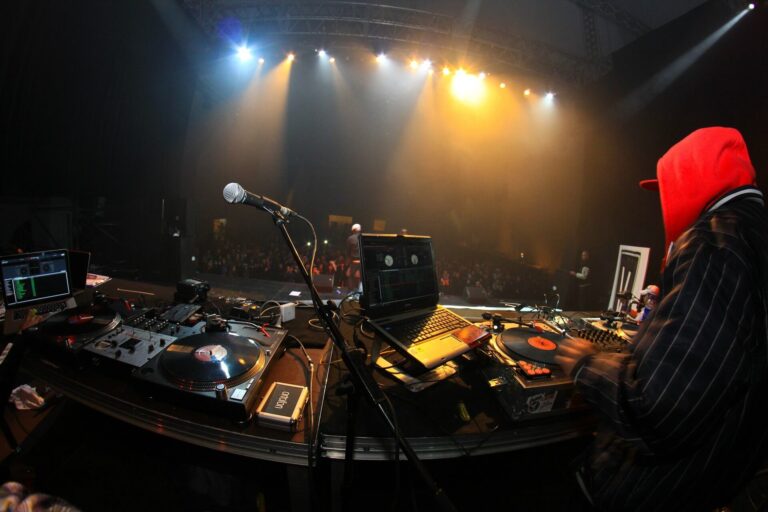
A group arrives in Amsterdam on a Friday evening with one simple plan: find a club, ask for VIP access, and let the door staff point them upstairs. By the time they reach the entrance, the queue is long, the group's trainers are suddenly a problem, and the premium tables have already been assigned. The venue may still have space inside, but that doesn't mean it has a VIP place available.
That's the part generic guides often miss about how to get VIP tickets in Amsterdam. Club VIP access is usually a logistics problem before it becomes a ticket-buying problem. Guestlists, hosts, table reservations, arrival windows and group behaviour all affect the result, especially when several people need to enter together.
For concerts and sports, a VIP package may include the event ticket plus early entry, a lounge, merchandise or a meet-and-greet, but the bundle varies by event. Ticketmaster's guide to VIP packages and upgrades also distinguishes a package from an upgrade, which may require a normal ticket to be purchased separately. Amsterdam nightlife works differently. The useful question is not only “where can the ticket be bought?” but “who is managing access, and what exactly is being held for the group?”
Table of Contents
- Why Walking Up Rarely Works in Amsterdam
- The Four Real Channels for Amsterdam VIP Access
- Landing on the Right Guestlist
- Table and Booth Service Without Overpaying
- Using a Concierge for Private and Stag Groups
- The Night-Of Checklist That Protects Your VIP Status
- Choosing the Right Channel for Your Group
Why Walking Up Rarely Works in Amsterdam
A group of six can leave dinner near Leidseplein feeling perfectly organised. They've chosen a club, dressed for a night out and agreed to arrive together. At the door, one person is wearing sports shoes, another has only a photo of an ID, and nobody knows the name of the person who supposedly arranged VIP entry.
The door staff aren't being difficult for sport. Clubs manage capacity, crowd mix, dress standards and the flow between the public entrance and reserved areas. A venue can refuse entry even when the dance floor isn't full, because the remaining capacity may be reserved for pre-booked guests, table customers or a particular guestlist.
The premium area usually has no ticket booth
A standard event may offer a visible ticket page or box office. A club's VIP section is often managed through a host, promoter, venue contact or operator. There may be no public counter where a group can easily buy access to the best area after arriving.
Prime tables and guestlist places are commonly allocated before the main rush. The exact process differs by venue, but the pattern is consistent: a name on the list is more useful than a vague promise of VIP treatment. A booking should identify the venue, the arrival instructions and what the group can expect at the entrance.
Practical rule: A group that can't state the host's name, the venue and the arrival window shouldn't assume it has VIP access.
Walking up can still work for a flexible pair on a quieter night, particularly when the group is willing to accept ordinary entry or whatever space remains. It's a poor strategy for a birthday group, a stag party or anyone who needs several people admitted together at a specific time.
Door standards matter as much as availability
Amsterdam clubs can apply their own rules around clothing, footwear, valid identification, bags and group composition. A guestlist doesn't automatically override those rules. Nor does paying for a table guarantee that every person in the group can ignore the door policy.
The practical approach is to arrange access in advance, ask what the venue requires, and nominate one person to hold the booking details. The rest of the night becomes much easier when the group arrives together, behaves calmly and knows who to contact if the entrance team needs clarification.
The Four Real Channels for Amsterdam VIP Access
There are four practical routes to VIP-style nightlife access in Amsterdam. Each suits a different type of evening, and the most expensive-sounding option isn't automatically the right one.

Guestlist entry
A guestlist is usually the lightest arrangement. A host or venue contact records the names, provides an arrival window and sends the group to the correct entrance. This can suit solo travellers, couples and small groups that want easier entry without committing to a reserved table.
The trade-off is flexibility. Guestlist access may depend on arriving before a stated time, following the dress code and keeping the confirmed headcount. It can also offer less certainty than a paid reservation when the venue is busy.
A reserved table or booth
A table booking works better for groups that want a fixed place, dedicated service or a way to keep everyone together. The financial commitment is normally attached to the table, not multiplied by the number of guests. The host should confirm the minimum spend, what it covers and whether the table is held for the full evening.
This route gives more control, but less freedom. A group may pay for a space it doesn't use properly, especially if nobody wants the drinks included in the arrangement.
Concierge or operator-led access
A nightlife concierge becomes useful when the request has moving parts. Examples include a private section, a birthday setup, coordinated entry across more than one venue, a stag or hen group, or a night that combines dinner, transport and clubs.
The value is coordination rather than a magic ticket. A responsible organiser should put the venue, terms, contact person and payment conditions in writing. Groups should still ask what happens if the headcount changes or the venue alters its policy.
Event organisers handling dinners, parties and other group occasions may also benefit from understanding ticketing for restaurant events, particularly when reservations and admissions need to be managed together.
A packaged pub crawl or bar tour
A packaged route suits visitors who want a hosted night rather than a single room reservation. It can combine several venues, a meeting point and club access, reducing the need to negotiate separately at every door. The price is easier to understand when entry and planned stops are bundled.
The compromise is that the group follows a schedule and doesn't control every venue choice. Before booking, it should check the route, what access is included and whether the final club entry is tied to arriving with the host.
For area planning, the guide to Amsterdam nightlife areas helps groups match the route to where they're staying and where they want the night to finish.
Landing on the Right Guestlist
A guestlist request works best when it reads like a useful booking note, not a vague social-media message. The person managing the list needs enough information to judge availability and prepare the entrance team.
Send the request 48 to 72 hours ahead when possible, especially for a Friday or Saturday. A shorter lead time can work, but it leaves less room to find an alternative if the first list closes or the venue changes its allocation.
The message should answer the door staff's questions
A clear request includes:
- Headcount: State the exact number expected, not “around ten.”
- Group mix: Mention whether the party is mixed or single-sex when relevant to the venue's door policy.
- Arrival window: Give a realistic time range and make sure the group can meet it.
- Venue preference: Name the preferred type of club, area or music style if the contact handles several options.
- Occasion: Say whether it's a birthday, stag event, hen event or ordinary night out.
- Contact person: Provide one mobile number for the person who will arrive first.
The point isn't to make the message formal. It's to remove uncertainty. A host can do more with “eight guests, mixed group, arriving together around midnight, looking for a dance club near the centre” than with “Can you get us VIP?”
Different lists have different reliability
A venue-managed list is closest to the source, but it may cover only that venue. A promoter-run list can provide access on a particular night, although the rules may change with the event. An operator list may connect a group with several possible clubs and can be practical when the preferred venue is full.
The group should ask for written confirmation containing the venue name, list name, arrival deadline and any conditions. If the headcount changes, the organiser should be told before the group reaches the door. A list place isn't a blank cheque for adding friends at the last moment.

Timing and backup planning
Some nights release more guestlist capacity than others, but availability is always venue-specific. Midweek and less heavily booked evenings often give a flexible group more room to negotiate, while major event nights can fill lists early.
A sensible plan has one preferred night and one backup night. If the list is bumped, the contact should offer a replacement or explain the change before the group travels across the city. The group should carry valid ID, arrive together and avoid treating a confirmation message as permission to ignore the venue's rules.
Table and Booth Service Without Overpaying
Bottle service is often misunderstood because the headline figure is treated as a personal ticket price. In Amsterdam clubs, the minimum is usually attached to a table or section. The group then divides that commitment between the people using the space.
That makes group size central. A small party may find that a full booth creates unnecessary spend, while a larger party can make a reserved table more sensible than paying separate entry and drink costs. The correct comparison is the total confirmed spend divided by the guests who will genuinely use the table, not the advertised label.
What the minimum should clarify
Before paying, the booking contact should confirm:
- The exact section: A booth, table and lounge area may provide different space and visibility.
- The minimum spend: Ask whether it applies to drinks only or includes entry and service charges.
- The bottle list: Confirm the permitted brands, mixers and substitutions.
- The guest limit: Establish how many people can use the reservation.
- Gratuity: Ask whether service is included or settled separately.
- Arrival deadline: Find out when the table is released if the group is late.
- Payment method: Check whether a card, deposit or booking reference is required.
The table below is deliberately a planning framework, not a made-up price list. Venues set their own figures, and a credible host should provide the actual amount in writing.
Table Spend by Group Size
| Group Size | Minimum Spend Range | Bottles Included | Effective Cost Per Guest | Best Booking Window |
|---|---|---|---|---|
| Small group | Venue-set, confirm before payment | Confirm the bottle package | Divide the confirmed minimum by attendees | Reserve ahead or ask about remaining sections |
| Four to eight guests | Venue-set, compare section size with headcount | Confirm brands, mixers and substitutions | Confirmed minimum divided by the guests using it | Book ahead, or ask a host about available space |
| Larger group | Venue-set, often requires coordinated planning | Confirm the full allocation in writing | Calculate using the expected final headcount | Arrange through a host or operator before the night |
A common mistake is paying for the largest available section because it sounds more impressive. Another is accepting extra bottles that the group won't finish. A smaller reserved area can be better value if it keeps the party together without turning unused stock into the true cost of the night.
Arrival timing can also affect the options. A host may have more room to discuss an unbooked section later in the evening, but waiting until the last minute means accepting whatever remains. The strongest compromise is to reserve the right-sized table, then ask whether the venue can adjust the arrangement if the group's final numbers change.
Groups planning a celebration can use this Amsterdam bachelorette party planning guide to think through headcount, timing and the difference between a shared night and a private arrangement.
Using a Concierge for Private and Stag Groups
A concierge earns its cost when the group has a coordination problem that a simple guestlist can't solve. A private section, birthday arrangement, multiple venues, dinner reservations or transport can require several people to communicate with the same venue. One contact point reduces the risk of one booking arriving before another is confirmed.
It adds less value when the request is only “two people want easy entry tonight.” In that case, a direct venue list or straightforward booking may be simpler. The organiser should be paid for confirmed coordination, not for vague access language.
Ask for the arrangement in writing
Before sending a deposit, the group should request a written summary covering:
- Venue: The exact club, restaurant or route, not merely an area.
- Reservation: The table, section or access type being held.
- Spend: The minimum commitment and what it includes.
- Timing: The meeting point, arrival window and check-in process.
- Named contact: The host's name and a reachable number on the night.
- Cancellation: Deposit, refund and change terms.
- Headcount: The effect of arriving with fewer or more guests.
The last point matters for stag and hen groups. These bookings can involve stricter deposits, venue restrictions and behaviour expectations. If the group shrinks, the organiser needs to know whether the same table remains available, whether the minimum changes or whether the booking is lost.
Know who is accountable
A freelance host may have strong relationships but limited formal responsibility. A packaged tour operator normally controls a defined route and meeting process. A hotel concierge can recommend or request arrangements, but may not manage the entrance personally.
No category is automatically better. The useful test is whether the group receives a named venue, clear terms and a person who can resolve a problem at the door. Guidance on why Amsterdam works well for stag party planning can help a group decide whether it needs a private arrangement or a hosted shared night.
Red flags are straightforward. There is no written confirmation, the venue remains unnamed, the quote is suspiciously clean, or the organiser can't explain what happens if the group arrives late. A polished message isn't a substitute for an accountable booking.
The Night-Of Checklist That Protects Your VIP Status
VIP access can fail in the final few metres. The booking may exist, but the group still needs to satisfy the door conditions and follow the arrangement precisely.
Start with identification. Everyone should carry valid ID, and the name or reference used for the booking should be easy to retrieve. A venue may refuse a person whose details don't match the arrangement, regardless of how confidently another guest describes the reservation.

Before leaving the hotel
The group should check five details:
- Dress and footwear: Confirm the venue's expectations and avoid treating casual daytime clothes as a safe choice for a late club.
- Bags: Check whether large bags, backpacks or certain items are restricted.
- Payment: Carry the agreed card or payment method if the table requires it.
- Reference: Keep the booking confirmation available offline, including the host's name.
- Headcount: Make sure the arriving group matches what was confirmed.
Arrival timing needs judgment. Arriving too early can mean the host hasn't opened the table or the venue isn't ready to receive the group. Arriving too late can mean the host has moved on, the table has been reassigned or a guestlist deadline has passed.
Conduct at the entrance
Arguing with door staff rarely improves the result. Neither does splitting the group, repeatedly messaging the host while people are being checked, or offering a tip before service has been delivered. One calm representative should speak for the group and let the entrance team work through its process.
If a booking appears to be missing, the group should move away from the queue, open the confirmation and contact the named person once. If the venue is unexpectedly closed or the arrangement breaks down, the fallback should be clear before the night begins: a second venue, a hosted crawl, a different reservation or an ordinary bar where the group can regroup.
A backup isn't pessimism. It prevents one failed door interaction from deciding the entire evening.
Choosing the Right Channel for Your Group
The fastest way to decide how to get VIP tickets in Amsterdam is to ignore the word “VIP” for a moment and answer three questions:
- How many people are coming?
- Is the night a special occasion?
- What is the total drinks and access budget?
The answers usually point to the right channel without an upsell.

A solo traveller or pair should normally start with a guestlist request 48 to 72 hours ahead, using the venue's own contact route or a host's direct line. The pair should choose one backup night rather than spending the evening sending last-minute messages to multiple doors.
A group of four to eight should compare a shared table with a hosted route. Dividing a confirmed table commitment can make sense, but only if the group actually wants to stay together and use the reserved space. A packaged night can be more practical when the group wants several stops and doesn't need a private section.
A group above ten usually needs an organiser who can coordinate names, arrival timing and venue communication. A concierge or operator-led arrangement is useful when the night includes a stag or hen event, several venues, a private request or a fixed celebration plan.
| Group situation | Practical first choice | Main trade-off |
|---|---|---|
| Solo traveller or pair | Guestlist | Less control over the final area |
| Four to eight friends | Shared table or hosted route | A table requires careful spend planning |
| Special occasion | Reserved table or concierge | More terms to confirm before payment |
| Larger group | Operator-led coordination | Less flexibility if the headcount changes |
| Visitors wanting several venues | Packaged pub crawl | The group follows a planned route |
The right choice is the one that solves the group's actual problem. A reserved booth doesn't help people who want to move constantly, and a guestlist doesn't help a birthday group that needs everyone seated together. A hosted pub crawl can be the cleanest answer when the priority is coordinated entry across a full night rather than ownership of one table.
Ultimate Party Amsterdam arranges hosted pub crawls, canal booze cruises and nightlife concierge requests for groups that need coordinated access rather than a last-minute door gamble. Visit Ultimate Party Amsterdam to review the available nightlife experiences and ask about a group arrangement that matches the evening.
🍻
Experience it Yourself
Skip the planning — join Amsterdam's biggest pub crawl and get 6 bars, free drinks and VIP club entry for €20.