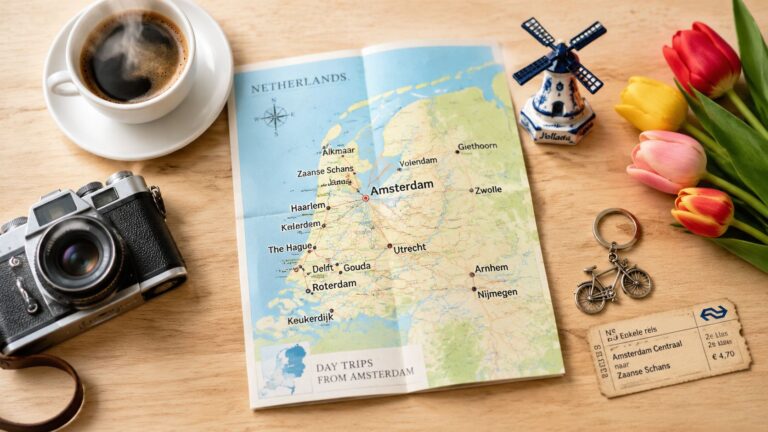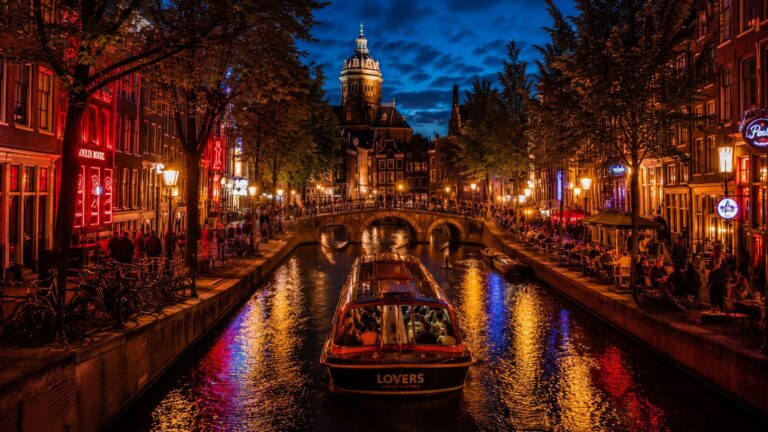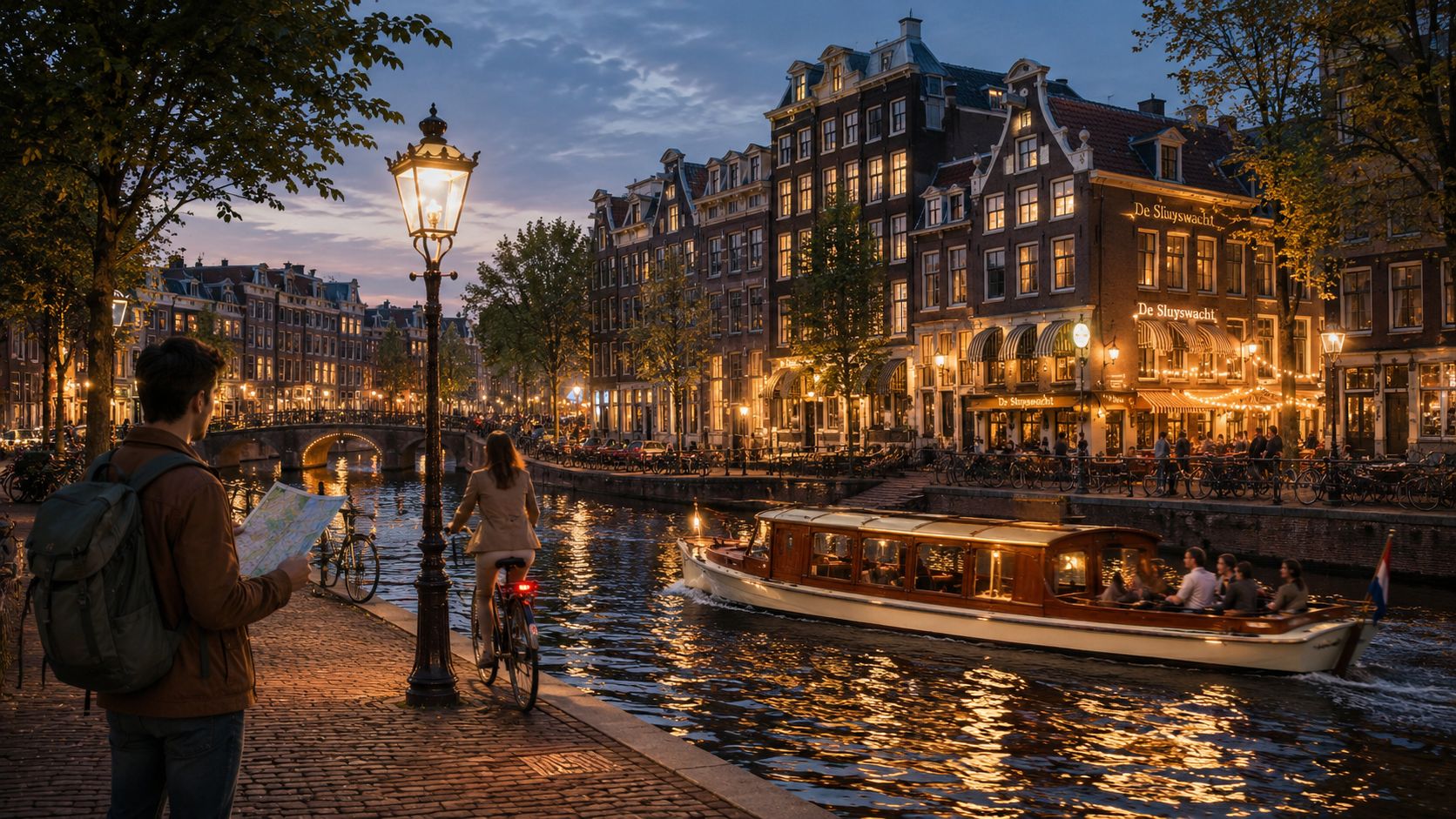
Friday at 21:30, a group stands beneath the lights on the Herengracht, trying to decide what Amsterdam should feel like tonight. One person wants a canal cruise, another prefers a walking tour that finishes near Leidseplein, and the rest are already looking toward a pub crawl in Reguliers. The choice sounds simple until closing rules, canal restrictions, district enforcement and venue access enter the conversation.
That's the practical reality of city tours in Amsterdam in 2026. Tour format isn't only a question of mood anymore. It's also a question of which route remains workable when the evening moves toward midnight. Amsterdam recorded an estimated 14 million unique day visitors and about 10 million staying visitors in 2024, generating nearly 23 million overnight stays, while total day visits reached almost 27 million according to the city's tourism statistics (Amsterdam tourism data). Visitors have plenty of demand for guided experiences, but operators and travelers must fit those experiences into a living city with changing nightlife policy.
The city says it will combat bachelor parties and organized pub crawls, restrict river cruises and introduce earlier closing times for bars and clubs in parts of the centre (Amsterdam tourism policy). The most useful Amsterdam tour guide therefore starts with the night, not with a generic list of attractions.
Table of Contents
- What Kind of City Tour Fits Your Amsterdam Night
- The Main Tour Formats at a Glance
- Walking, Canal, Bike and Pub Crawl Compared
- Planning a City Tour Itinerary That Actually Works
- Why Hosted Formats Hold Up Better Than Self-Directed Nights
- Booking, Pricing and What to Check Before You Pay
- Choosing the Right Starting Point for Your Trip
What Kind of City Tour Fits Your Amsterdam Night
At 21:30, the group on the Herengracht has four realistic choices. A canal cruise offers the city's illuminated façades from the water, a walking route gives them history and atmosphere at street level, a pub crawl supplies a hosted social plan, and a self-directed night promises freedom but leaves every door, queue and route to the group.
The trade-off is no longer scenery versus nightlife. It's whether the chosen format still has room to operate later in the evening. Amsterdam's municipality can announce a canal-belt night closure from 00:00 to 07:00 when necessary to protect residents' sleep (municipal water policy). That makes late, improvised cruising a poor foundation for a plan that depends on unlimited access to the water.
The same evening can suit different travelers
A first-time visitor who wants orientation will usually get more from a walking tour through the historic centre or Jordaan before choosing a nightlife activity. The route builds a mental map, shows how close the main districts are and reduces the chance of wasting the evening crossing the city between disconnected plans.
A group celebrating together often values coordination more than flexibility. A hosted crawl or organized boat experience creates a fixed meeting point, a route and a person responsible for keeping the group moving. That matters when bars and clubs apply their own door policies, identification checks and capacity controls.
A canal cruise works especially well when the group wants conversation rather than a full party atmosphere. Amsterdam's boating rules limit pleasure craft in the city centre to 6 km/h, with 7.5 km/h permitted only on specified waterways such as the Amstel toward Ouderkerk aan de Amstel (official boating safety rules). The slower pace is part of the experience, not a flaw, but it also means a cruise must be treated as a planned time window.
Practical rule: Choose the format according to the part of the night that matters most, then check whether its route and operating window survive the city's current rules.
Outdoor drinking and organized nightlife in the centre require particular care. The municipality's policy direction is away from uncontrolled party movement and toward managed, district-sensitive activity. The format that suits a visitor at dinner may not be the format that remains practical after midnight.
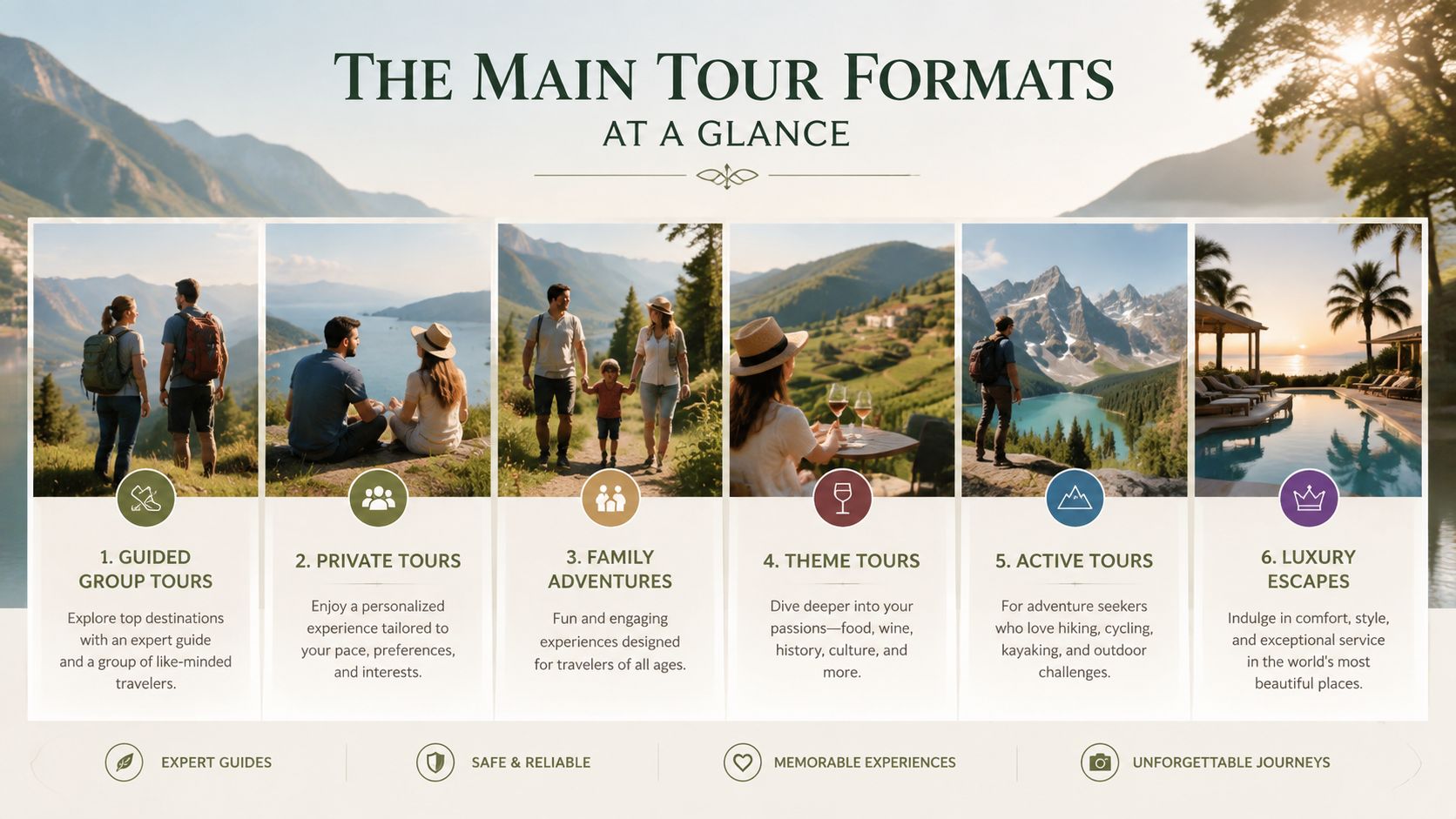
The next decision is therefore traveler-specific. Walking tours, cruises, bike routes, pub crawls and themed experiences each solve a different problem, and each carries a limitation that should be understood before booking.
The Main Tour Formats at a Glance
Amsterdam supports several distinct touring styles, from slow historical walks to late hosted nightlife routes. The city's tourism-services sector is also fragmented. SEO Economisch Onderzoek identified 626 unique tourism-product and service providers active in Amsterdam in 2019, with sector turnover above €900 million in 2017 and about 8,000 workers (SEO market study). That variety gives visitors choice, but it also means product quality, routing and logistics differ widely.
Walking tours
Walking tours cover the historic centre, canal belt, Jordaan or the context around the Red Light District. They commonly work during the day and early evening, suit first-time visitors and slower-paced travelers, and make it easier to stop for architecture, food or local stories. Their limitation is physical. Cobblestones, bridges and crowded streets can make a long route tiring, particularly after dinner.
Travelers comparing formats in other cities may also find this practical overview of walking food tours Manchester useful for understanding how guided routes combine movement, local context and scheduled stops.
Canal cruises
Canal cruises range from open boats to covered saloon boats and illuminated evening departures. They suit visitors who want a relaxed view of Amsterdam and groups that prefer conversation over constant movement. Canal cruises have remained a major tourism channel over time. In 2016, the canal cruise sector was estimated to serve about 4 million visitors annually, while Amsterdam expected around 2,125 river cruise calls in 2023. Weather, water restrictions and fixed departure times are the main limitations.
Bike tours
Bike tours follow city loops, often extending toward Vondelpark or the quieter edges of Amsterdam. They suit repeat visitors who want to cover ground quickly and travelers comfortable riding in dense traffic. The limitation is confidence. Visitors unfamiliar with bike lanes, tram tracks and right-of-way rules can create risk for themselves and others.
Pub crawls
Pub crawls use a hosted route through several bars, often with a themed structure or group games. They fit solo travelers, backpackers and groups willing to follow a schedule rather than choose every venue independently. The limitation is reduced control. The group moves when the host moves, and the route may change as venue access and local rules develop.
Themed tours
Themed tours focus on food, architecture, museums, Anne Frank, neighbourhood history or nightlife. They suit curious visitors with a clear interest and can provide more depth than a general city loop. Their limitation is narrowness. A food route won't necessarily orient a visitor for nightlife, and a museum-focused experience won't explain how to move between late venues.
Walking, Canal, Bike and Pub Crawl Compared
The four core formats differ most in pace, physical demand and dependence on external conditions. A two-hour Jordaan walk asks for steady movement but leaves room for conversation. A 75-minute illuminated canal cruise gives a broad visual introduction while keeping the group seated. A three-hour bike loop to Vondelpark covers more territory, but it requires active participation. A four-stop pub crawl finishing near Rembrandtplein is socially efficient, yet it depends heavily on timing and door policies.
The table below uses practical planning ranges supplied for this guide. They're useful for comparing formats, but individual operators may structure their departures differently.
Amsterdam City Tour Formats Compared in 2026
| Format | Pace | Group Size | Best Time | Cost Logic | Physical Demand | 2026 Note |
|---|---|---|---|---|---|---|
| Walking tour | Slow to moderate | 6 to 15 | Morning, afternoon or early evening | Flat per person or tip-based | Moderate walking | Routes near nightlife districts need awareness of current nuisance rules |
| Canal cruise | Slow | 30 to 60 | Daytime or controlled evening slot | Flat per person | Low | Centre boats must follow speed limits, and night closures can affect late departures |
| Bike tour | Active | 8 to 12 | Morning, afternoon or early evening | Flat per person, often reflecting equipment and guiding | High | Construction, traffic and bike-lane discipline shape the route |
| Pub crawl | Moderate, with repeated stops | 15 to 30 | Evening into late night | Often bundled around entries and drinks | Moderate walking and standing | Routes have shifted away from relying on unrestricted Red Light District access |
How the formats behave in real plans
Walking is the most forgiving format for first-time visitors. It can absorb a late lunch, a photography stop or an unexpected detour. The downside is that the group's energy depends on its own legs, and a long walking route followed immediately by a late crawl can become exhausting.
Canal cruises are easier on the body but less flexible. A missed boarding time usually means missing the experience, not just joining at the next street corner. Official guidance also prohibits operators from drinking alcohol while operating a vessel, a rule that separates a properly managed cruise from an informal party-boat fantasy (safe boating guidance).
Bike tours are efficient for repeat visitors who already understand Amsterdam's traffic rhythm. They're less suitable for a group whose members have different riding abilities. Anyone considering a self-guided option should review the practical details of bike rental in Amsterdam before committing the whole evening to two wheels.
Pub crawls trade independence for social momentum. A host can keep a group together, but participants should expect walking, standing and venue transitions. Groups planning their own entertainment can also review ideas to browse Lost Boy Entertainment games, particularly when they want structured activities before or after a hosted route.
Planning insight: The combinations that work best are usually one scenic or cultural anchor followed by one social format. A walk plus a crawl is manageable. A cruise plus a short central walk can also work. Stacking a long bike loop, a full walking tour and a late crawl usually spends the group's energy before the night starts.
Planning a City Tour Itinerary That Actually Works
A workable Amsterdam evening needs buffer time, not just attractive activities. The common mistake is booking three experiences back to back and assuming the city will cooperate. Dinner runs late, hotels are rarely next to the meeting point, and a group of friends can take longer to leave one place than a timetable suggests.
A reliable sequence starts with the water while the group is still fresh. For example, a 19:30 boarding slot followed by a 45-minute canal loop creates a compact introduction to the centre without consuming the entire evening. The exact departure and route must be confirmed with the operator, because canal access and operating windows can change.
A sequence that leaves room to breathe
After the cruise, the group can take a short walk across the Singel toward dinner or a central meeting point. That walk works as a digestif, especially if the group has spent the afternoon indoors or traveling. It also keeps the route compact instead of sending everyone across town between every booking.
The pub crawl belongs later, but not as an afterthought. A plan that meets near Rembrandtplein after dinner gives the host a clear starting point and leaves the group inside the nightlife portion of the evening when venue access matters most.
- Set the first fixed time. Confirm the boarding slot before arranging dinner around it.
- Leave a hotel buffer. Allow enough time for a change of clothes, lost keys, shower delays and the inevitable person who hasn't found the meeting point.
- Keep the walking segment short. Use the Jordaan or Centrum as atmosphere between fixed bookings, not as another full tour after a long day.
- Put the hosted nightlife format last. This reduces the risk of missing a departure while preserving the most flexible part of the evening for later.
- Check the closing reality. Amsterdam's policy allows a canal-belt night closure from 00:00 to 07:00 when needed to protect residents' sleep (canal-belt water policy), so late water activity shouldn't be treated as unlimited.
Rain changes the order. Replace an exposed open-boat segment with a covered option or move the walking route earlier while streets are manageable. Wet cycling is usually the first activity to remove, particularly for visitors who aren't comfortable navigating tram tracks and busy intersections.
First-time visitors shouldn't try to cover every district on the first night. A compact canal experience, a short central walk and one well-organized nightlife plan give better geographic context than a frantic race through every attraction. Return visitors can use the second night for a more specific theme, a longer bike route or a district they missed previously.
Why Hosted Formats Hold Up Better Than Self-Directed Nights
A self-directed bar hop looks flexible until the group reaches the first full venue. Someone then has to choose the next stop, check entry conditions, manage the queue, protect belongings and find a replacement when the terrace is unavailable. In Amsterdam, those decisions increasingly sit alongside district rules, venue licences and operating limits.
The city's tourism policy targets nuisance linked to bachelor parties and organized pub crawls, while also addressing river cruises and opening hours (Amsterdam policy on tourism and nuisance). Nightlife continues, but unrestricted movement through the centre is no longer a safe assumption for planning.
Hosted logistics are the product
A hosted format handles the practical work without removing the group's choice. The host sets a workable route, keeps people together and communicates changes as the night develops. For a crawl, the value often lies less in the first drink than in avoiding wasted walks to venues that will not admit the group.
A canal host provides the same control on the water. Boats must follow the city-centre speed limit of 6 km/h, and municipal rules prohibit operators from drinking while steering (official boating rules). These requirements shape a calmer, managed outing, including for nightlife groups.
| Factor | Hosted Format | Self-Directed Night |
|---|---|---|
| Route | Planned around operating areas and timing | Chosen on the spot |
| Entry | Host can explain the agreed route and venue process | Group handles every door decision |
| Queues | Movement can be coordinated | Delays affect the whole night |
| Local rules | Operator can communicate current constraints | Visitors must research and interpret them |
| Group cohesion | One meeting point and a host | People split when venues or queues differ |
| Flexibility | Less freedom to change every stop | More freedom, but more uncertainty |
A host cannot override a venue's decision or a municipal restriction. The benefit is fewer avoidable mistakes, especially for groups with one major night in Amsterdam. The trade-off is a fixed route and less freedom to change every stop on impulse.
Self-directed plans still suit small groups that know the centre, accept queues and can abandon a venue without losing the evening. They work less well for larger parties, unfamiliar visitors or nights where timing matters.
Ultimate Party Amsterdam offers hosted nightlife formats including a Red Light District crawl, a Leidseplein crawl and shared or private canal experiences. Travelers considering a central route can review the Red Light District pub crawl and confirm the current meeting details, route and inclusions before booking.
Booking, Pricing and What to Check Before You Pay
A low headline price doesn't tell the whole story. The important question is what the booking covers and which risks remain with the traveler. A route that appears inexpensive can become costly once separate entry fees, drinks, transport and queue time are added.
Cancellation terms deserve attention first. Many reputable operators offer free cancellation 24 to 48 hours before departure, while pub crawls may use stricter 12-hour rules. These are common booking patterns rather than universal standards, so the actual policy should be read on the checkout page, not assumed from another tour.
Questions that prevent booking problems
Ask about the boat before paying for a canal experience. The operator should be able to explain whether the cruise is licensed and insured, whether the boat is covered or open, how weather changes are handled and what happens if local water restrictions affect the route.
For a crawl, ask what the route includes rather than accepting vague language. A hosted route through several venues is different from a meeting point followed by free-entry shots. The confirmation should make clear whether venue cover charges, queue arrangements and drinks are included.
Walking-tour buyers should check the route's boundaries, particularly around the Red Light District. Rules concerning nuisance and public behaviour can affect how a guide moves through the area, and a responsible operator should describe the route without promising unrestricted access to every street or venue.
Group details and payment
Group size changes the experience. Walking and crawl products often work best with around 12 to 15 participants, while canal boats may accommodate up to 25 in a more compact group setting, depending on the operator. Bigger groups need clearer meeting instructions and more patience during transitions.
Seasonal demand also changes booking pressure. July and August, as well as Kingsweek, can book out two weeks ahead, so groups traveling during those periods shouldn't leave a fixed-time experience until the last moment. The same caution applies to celebrations where everyone needs to attend the same departure.
Before paying, check whether the business is VAT-registered in the Netherlands and whether the checkout identifies the actual operator. Paying in euros can also help avoid card-conversion fees layered by resellers or foreign payment processors. Save the confirmation, meeting address, cancellation terms and emergency contact where the whole group can access them.
Choosing the Right Starting Point for Your Trip
First-time visitors on a short stay usually gain the most from a daytime walking or canal tour. The Old Side, Jordaan and canal belt provide the geographic context that makes later nightlife easier to understand, especially when the group wants to move between dinner, a bar and a late venue without relying entirely on taxis.
A return visitor can skip the broad orientation and choose a more specific experience. A hosted pub crawl around the city's established nightlife districts makes sense for travelers who want social momentum, while a bike tour suits someone who has already seen the centre and wants to cover a wider loop.
Families and slower-paced travelers should keep the evening uncomplicated. A morning canal cruise followed by a compact walking segment offers atmosphere without depending on late opening hours, crowded venues or nightlife restrictions. Solo travelers often fit well into a small-group walking or bike tour because a guide can adjust the route around construction, closures and changing street conditions.
The key is to choose one anchor format for the first night, then add a second tour on day two. Trying to combine every style immediately creates fatigue and leaves no room for dinner delays, weather or a street that is busier than expected.
For nightlife-focused visitors, the choice of district matters as much as the activity. The guide to Amsterdam nightlife areas helps travelers understand how the Red Light District, Leidseplein and Rembrandtplein differ before they commit to a route.
Ultimate Party Amsterdam provides hosted pub crawls, shared and private canal booze cruises, and coordination for private nightlife arrangements. Travelers can review the available options through Ultimate Party Amsterdam, choose one anchor experience that fits their group, and confirm the current route, timing and inclusions before arriving.
🍻
Experience it Yourself
Skip the planning — join Amsterdam's biggest pub crawl and get 6 bars, free drinks and VIP club entry for €20.